
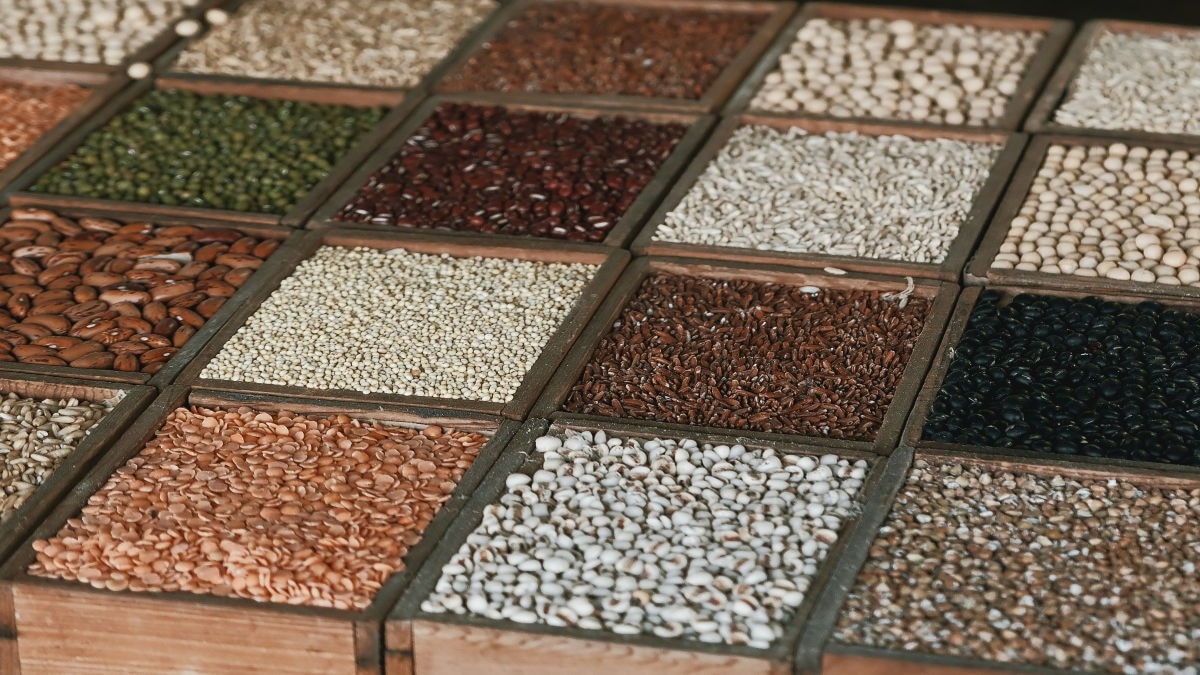
Think every dal needs an overnight soak? Think again. The right dal soaking time depends on what is sitting in your bowl. From moong and masoor to chana, urad and rajma, here is how long different dals actually need.Not every dal needs an overnight soak. Here’s the right timing for each (Photo: Unsplash)There is a good chance you have been soaking dal on autopilot. Put it in a bowl, add water and leave it overnight. Simple, right? Not quite. Different dals need different soaking times, and some barely need soaking at all. While soaking can soften pulses, make them cook faster and may make them easier to digest, leaving every dal in water for the same number of hours is not necessary.Smaller, split dals are generally quicker to soften, while whole pulses and hard legumes need more time. So, before you plan tomorrow's dal tonight, check what is actually in the bowl.HOW LONG SHOULD YOU SOAK DAL?MOONG DALSplit yellow moong dal is one of the quickest-cooking dals and generally does not require a long soak. If you are using whole green moong, however, it benefits from a longer soak because the outer skin is intact. For split moong, a short soak is often enough. Whole moong can be soaked for several hours, especially when making sprouts or dishes where you want the beans to soften properly.MASOOR DAL: Masoor is another dal that cooks relatively quickly. It does not need the kind of overnight soaking associated with rajma or chickpeas. A short soak can be used if you want to soften it further, but it is not essential for everyday cooking.CHANA DALThis is where the dal soaking time starts to change. Chana dal is denser and retains its shape after cooking, so soaking it for a few hours can help it cook more evenly and reduce cooking time.URAD DALWhole black urad has a tougher outer skin and benefits from several hours of soaking. Urad used for idli and dosa batter is also soaked before grinding, as proper hydration helps create the desired batter texture.RAJMA AND CHOLERajma and chickpeas are hard legumes rather than everyday split dals, and they need considerably more soaking. Nutritionist-led guidance commonly recommends around 10-12 hours for rajma, chole and chana, particularly because their tougher outer layers take longer to soften.SO, SHOULD YOU ALWAYS SOAK DAL?Not necessarily. The how long to soak dal question has no single answer. A split, dehulled dal can cook quickly, while a whole pulse with its skin intact may need several hours.The simplest rule? The tougher and larger the pulse, the longer it generally needs. And when soaking is recommended, use fresh water for cooking rather than treating the soaking water as part of the recipe.So next time you reach for that bowl, don't ask, "Should I soak my dal overnight?" Ask the more useful question: Which dal am I actually soaking?- EndsPublished By: vaishnavi parasharPublished On: Sep 2, 2026 14:35 IST
Not every dal needs an overnight soak. Here's the right timing for each
Full Article
Original Source
Read the full article at Indiatoday →KhanList aggregates and links to publicly available news content. We do not host full articles from third-party sources. Always verify important information with original sources.