
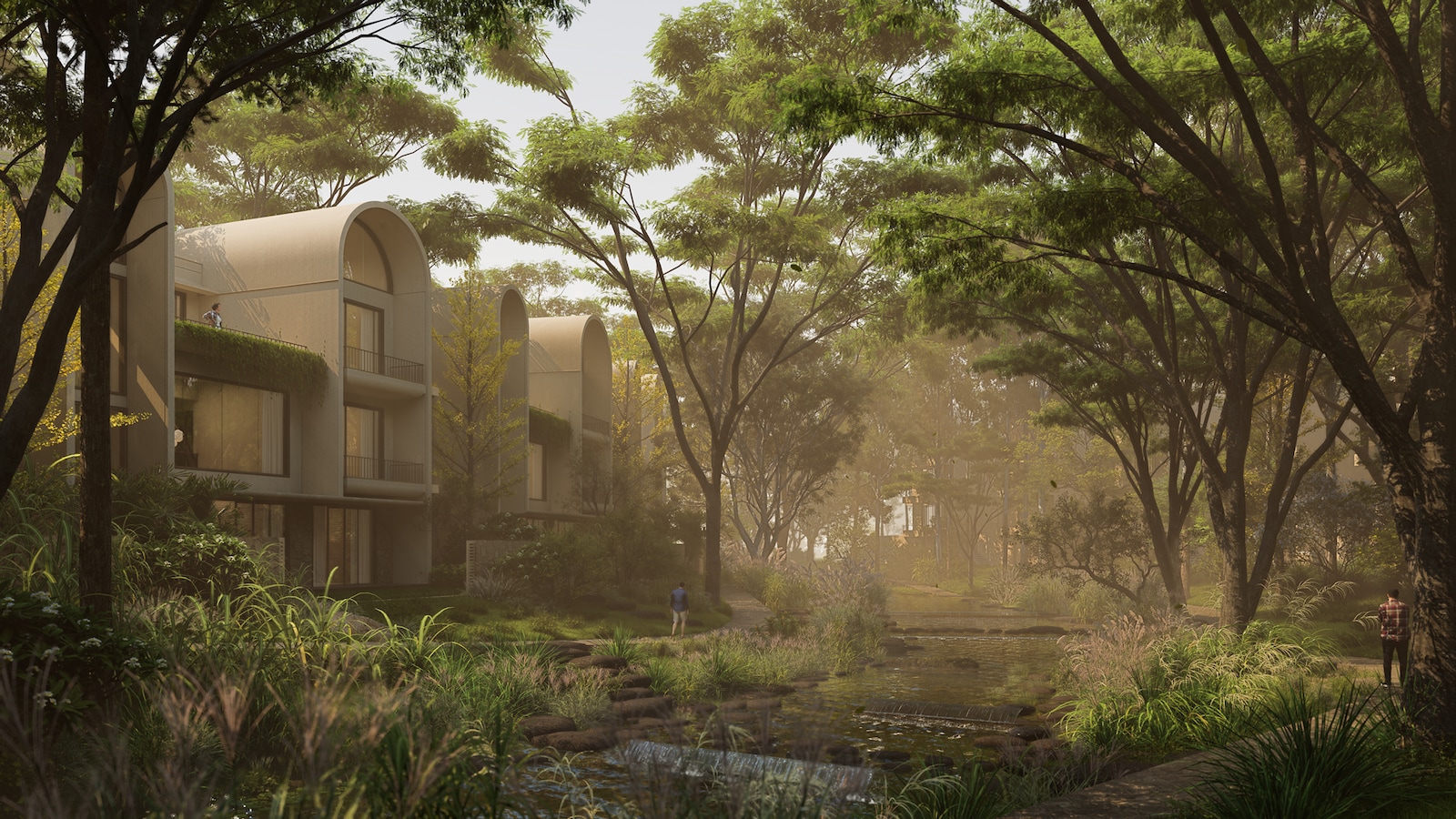
The story of luxury real estate has largely revolved around location, spacious homes, premium fittings, and exclusive amenities. But the definition of an upscale address is now changing. Today, homebuyers are looking beyond the four walls of a house. They want trees outside their windows, open spaces to walk around and a neighbourhood where nature is part of everyday life.As cities become more crowded and construction spreads across urban landscapes, green spaces are emerging as an important selling point for luxury housing projects. A landscaped garden or a few trees may no longer be enough. Buyers increasingly want developments where greenery, water bodies and open spaces are built into the larger masterplan.This shift is also reflected in buyer preferences. According to Colliers' Homebuying Sentiment Survey 2026, which covered approximately 1,800 respondents across more than 30 residential markets, green and open spaces are the second-most preferred amenity in gated communities, after security and safety systems.Also Read | Layoffs Are Rising In Tech, But These Skills Are Helping People Unlock Better PayCommunity and lifestyle-oriented spaces also feature among the preferences of homebuyers.The findings point to a larger change in how people evaluate residential properties. The decision is no longer limited to the size of the apartment or the number of bedrooms. The surrounding environment is becoming equally important.Colliers found that unit size and layout, social infrastructure and connectivity were major considerations for 75-80 per cent of respondents. This suggests that buyers are assessing the overall living experience, including the neighbourhood, accessibility and community facilities, rather than looking at the property in isolation.Why Green Spaces Are Becoming A LuxuryThe growing preference for greenery comes at a time when urban density is increasing. For homebuyers, access to open spaces offers something that is becoming harder to find in large cities: room to breathe.But developers and landscape architects say that simply increasing the amount of landscaped area is not enough. The way green spaces are planned and integrated into a project matters just as much."Luxury homebuyers are increasingly evaluating a residence in the context of the environment it offers. As cities become denser, the value of accessible open space, mature greenery, privacy and a healthier living environment is gaining importance," Hriday Desai, Chief Development Officer, Embassy Developments Limited, told NDTV.He believes developers need to move away from treating landscaping as an aesthetic addition to a housing project. "For developers, this calls for a more considered approach to masterplanning, where the landscape is integral to the development rather than an aesthetic layer added at the end," Desai said.According to Desai, the idea is to make nature an everyday part of the residential experience rather than confining it to designated landscaped areas.Greenery Is More Than Aesthetic LandscapingThe shift towards nature-led housing is also changing the role of landscape architects.For developers, the challenge is no longer just to create attractive gardens or green patches. The focus is increasingly on how landscaping can improve the everyday experience of residents.Saumya Subhro Banerjee, GM - Landscape Architect, Assetz, believes the real value of greenery lies in the experience it creates. "Luxury amid greens is not measured by the extent of green, but by the life it brings to a place," Banerjee said.He pointed out that landscape planning today needs to go beyond aesthetics. Tree canopies, shaded walking paths, permeable surfaces, water-sensitive design and biodiversity all play a role in creating a comfortable residential environment."Real luxury amidst greens can transform the way a community lives, breathes and connects with its surrounding. Luxury is when nature is not just ornamental, but fosters healthier connections between people and nature," he said.For the real estate industry, this could mean a rethink of what qualifies as a premium residential offering. Bigger homes and high-end amenities will continue to matter, but buyers are also looking at what lies beyond their balconies and front doors.As urban spaces become more crowded, the ability to offer accessible greenery, thoughtfully planned open spaces and a healthier residential environment could become a stronger differentiator for luxury housing projects.The next measure of luxury, it seems, may not just be how much space a home offers, but how much nature comes with it.
Not Bigger Homes, Green Spaces Are The New Currency In Luxury Real Estate
Full Article
Original Source
Read the full article at Ndtv →KhanList aggregates and links to publicly available news content. We do not host full articles from third-party sources. Always verify important information with original sources.