
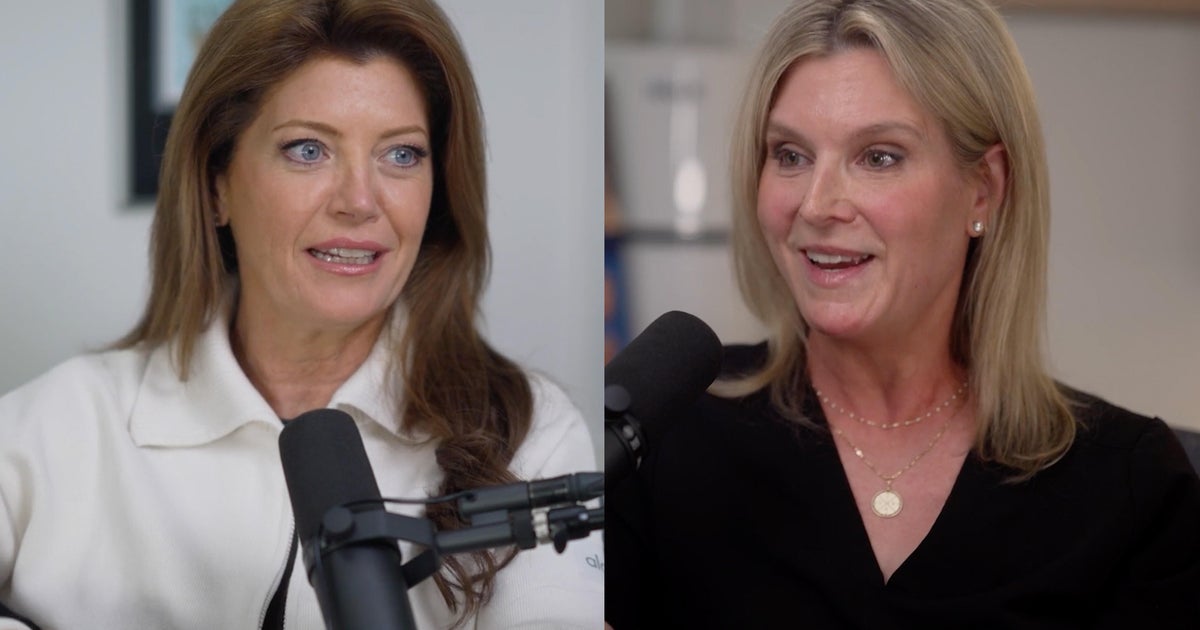
By Norah O'Donnell Co-host, "CBS Mornings" & Correspondent, "60 Minutes" Norah O'Donnell is a multiple Emmy-Award winning "60 Minutes" correspondent and co-host of "CBS Mornings." Previously, O'Donnell served as the managing editor and anchor of the "CBS Evening News" for more than five years, in addition to anchoring CBS News election specials. O'Donnell is also the host of "Healthful with Norah O'Donnell," a CBS News podcast focused on women's health. Read Full Bio October 21, 2026 / 7:00 AM EDT / CBS News Add CBS News on Google Ten years ago, I was at a routine dermatologist appointment when my doctor found two concerning spots on my back. Soon after, Dr. Elizabeth Hale told me my biopsy revealed I had melanoma, the deadliest form of skin cancer.Thankfully, Hale caught it early and removed it before the cancer spread. It was a wake-up call.Now, when I spend time in the sun, I seek out the shade, wear UV protective clothing, and consistently reapply broad spectrum sunscreen. Growing up in Texas, I spent a lot of time outdoors and got sunburned. One of my biggest regrets was going to tanning salons. Around 20% of Americans will be diagnosed with skin cancer. According to the Skin Cancer Foundation, where Hale is the senior vice president, more people are diagnosed with skin cancer each year in the U.S. than all other cancers combined.But Hale wants people to know that skin cancer is also "the most preventable," and "it's almost always curable."Hale is a board-certified dermatologist. We went to her practice, CompleteSkinMD, in New York City to discuss what we should all know about skin cancer.Melanoma in young womenThere's been an increase in incidences of melanoma among women in their 20s and 30s. "It is directly related to exposure to tanning beds and to sunburns," Hale said. Melanoma is one of the most common cancers in young women. In fact, before age 50, melanoma is more common in women than in men. Hale said melanoma can be found anywhere on the body, but for women, it commonly occurs on lower legs and places like the buttocks. "[Places that] never sees the sun, except for when you're undressed in a tanning bed," Hale said. "We have to keep our kids out of tanning beds and get them to practice good sun protection."The Skin Cancer Foundation reports that "exposure to tanning beds before the age of 35 … increases your chance for melanoma, which is the most serious type of skin cancer, by 75%." Another future impact of these harmful tanning habits and sun exposure is seen in how skin ages and how fast.To Hale, the science is clear: "Up to 90% of skin cancers are caused by overexposure to the sun, but also up to 99% of the signs of premature skin aging."The "tanmaxxing" social media trend is a problemTanning trends have been going viral across social media platforms with young women exposing themselves to harmful UV rays without any protection for hours on end. From bathing in direct sunlight to frequent trips to tanning salons, "people are bragging about the sunburn they're getting," Hale noted.Long hours under the sun may be popular, but it puts people at risk. According to the FDA, any kind of tan greatly increases someone's risk of getting skin cancer."There really is no such thing as … a safe, healthy tan," Hale said. While a tan might look nice, the reality behind why your skin gets darker is more troubling. The tan is actually "representing DNA damage" that can manifest as cancer later. The types of skin cancerThere are three main types of skin cancer. Basal cell carcinoma is not only the most common skin cancer but also "the most common cancer diagnosed in the United States overall," as it accounts for 80% of new skin cancer diagnoses. Basal cell carcinoma also doesn't metastasize into deadlier forms of skin cancer but dermatologists will still recommend the tumor or mole be removed, as "they can start eating away through the skin into the underlying structure" if left unattended. Hale assures patients the procedures are "little nothings" and leave minimal scarring.Squamous cell carcinoma is the second most common, but unlike basal cell, this skin cancer can spread if untreated. This carcinoma is also the "most correlated with chronic sun exposure." The scalp, neck, and backs of hands are the most common at-risk areas.Melanoma is the third most common and the most dangerous of the three main skin cancers. The statistics are striking. "Even though it only accounts for 5% of new cases of skin cancer, it's responsible for more than 75% of skin cancer-related deaths," Hale said."There have been major advances in melanoma treatment, but it's still really best to get your skin checked because when melanoma is caught early it has greater than a 99% five-year survival. But once it spreads, that survival rate goes down precipitously," she said.Be familiar with your skin and get it checked regularlySkin cancer, when detected early, is "almost always curable," Hale said. However, if people neglect to care for their skin and have it checked by a physician, benign moles can develop into cancer and metastasize.Hale says people should have their skin checked annually starting at 18 years old. Those with a family history of skin cancer or others who are at high risk should talk with their dermatologist to see if they would benefit from more frequent visits to identify early any signs of skin cancer.Sunscreen every day — multiple times a dayWhat kind of sunscreen is best? The bottom line, according to Hale, is "the best sunscreen is the one you'll actually use" — but not all sunscreens are created equal. A broad spectrum product with SPF 30 or greater should be a part of your daily skincare regimen. Look for ingredients like zinc oxide or titanium dioxide in your sunscreen, which keep both UVB and the more dangerous UVA rays at bay. For days at the beach or when you expect to sweat, choose a chemical sunscreen with avobenzone. The FDA recently approved bimotrizinol (BEMT), an ingredient that has been used in Europe and Asia for decades. Hale believes it can provide broad spectrum protection while also being water and sweat resistant.When spending the entire day outside, Hale recommends reapplying sunscreen every two hours to maintain optimal skin protection. In: Cancer Melanoma Sunscreen What You Can Learn From My Skin Cancer Diagnosis 30:34 What You Can Learn From My Skin Cancer Diagnosis (30:34)
Norah O'Donnell: What I learned from my melanoma diagnosis
Full Article
Original Source
Read the full article at Cbsnews →KhanList aggregates and links to publicly available news content. We do not host full articles from third-party sources. Always verify important information with original sources.