
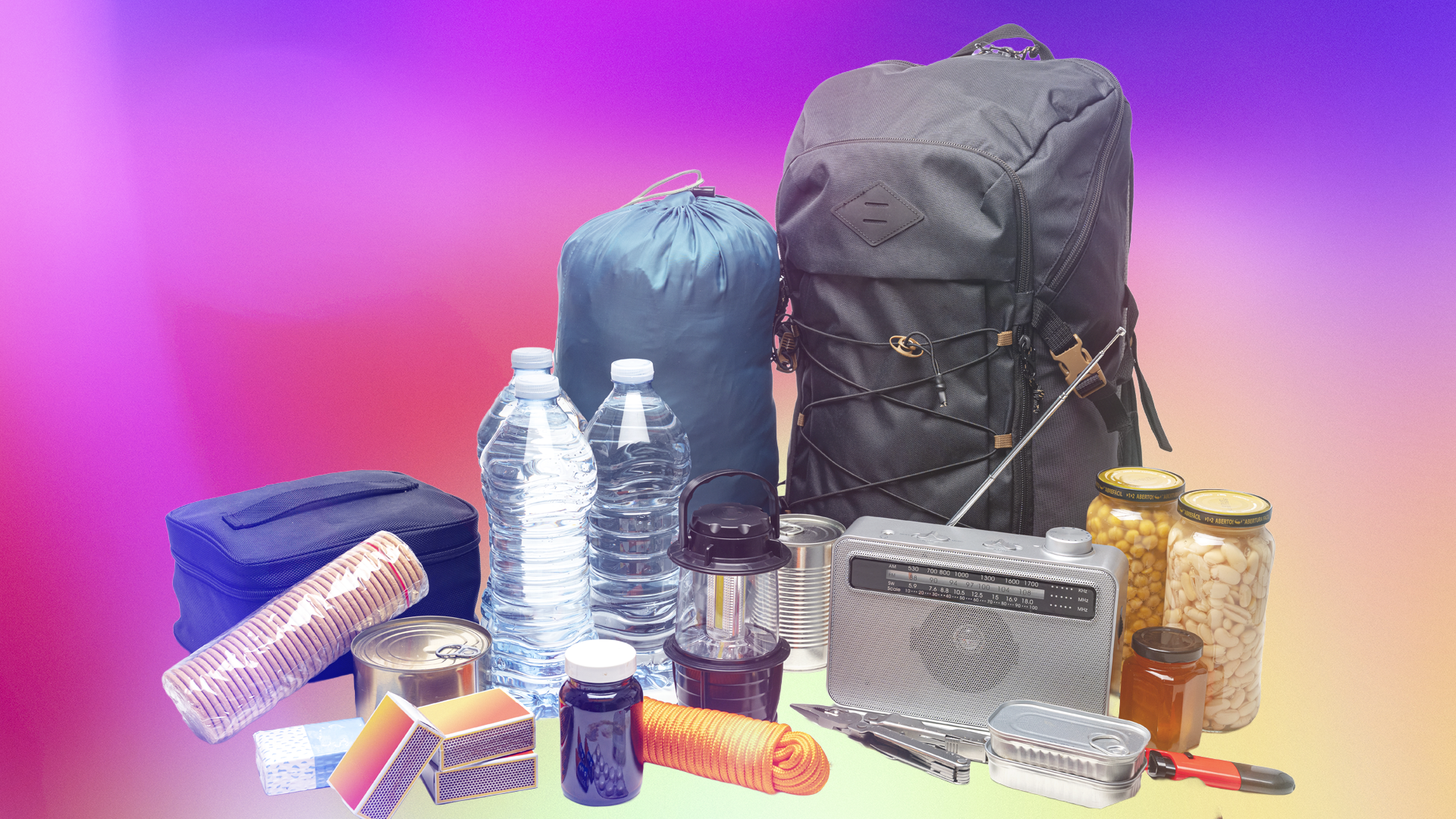
As global conspiracy theories go, this is a juicy one. On Tuesday, Nov. 17, at around 2:20 p.m. ET, the Federal Emergency Management Agency and the Federal Communications Commission are planning a test of the Emergency Alert System. That’s when all hell is supposed to break loose. At least, that’s what you might believe if you only rely on social media. Coming just days after an abrupt and disruptive government-ordered shutdown of air travel in the US and technical issues that caused an unwelcome outage of widely used Microsoft workplace software, the test will be happening in an atmosphere of heightened anxiety. Videos across Facebook, Instagram and TikTok have floated the theory that this emergency test signals a catastrophe is coming, potentially stemming from a cyberattack or a digital disruption that could knock out electricity, internet and other services. Many have started scrambling to buy emergency supplies, pointing to the need for a 90-day stockpile of food, water, cash and essential medicines in case hackers wipe out bank accounts and shut down the web. Similar rumors have spread globally, as the governments of France, the UK and Canada have put renewed attention on the importance of households being able to survive a potential weather-related crisis or technological disaster. How extreme have the conspiracy theories gotten? Some have cited a 2023 Simpsons episode as proof, which referenced a massive Nov. 17 blackout in Lisa’s future, even though it didn’t mention a year. For Gen Xers and Boomers, this panic could feel familiar. Leading up to the year 2000, there were fears that a potential computer-related disaster, known as Y2K, would cause widespread chaos and disruption, based on the belief that older digital systems couldn’t handle the calendar change. The new year ended with only minor glitches, thanks to a significant global effort to update computer systems to avoid the bug. Before we delve into the suspicions, let’s start with a bit of debunking: CNET spoke with multiple experts in disaster preparedness and cyberattacks, who all cautioned against letting our guard down. But remember that no federal agency or institution has mentioned a blackout. Unless hackers decide to take advantage of the hysteria already generated, there’s no reason to think Nov. 17 is any riskier than any other date. Richard Mariano, a protective intelligence expert at Kronus Intelligence, who spent nearly three decades with the Bureau of Alcohol, Tobacco, Firearms and Explosives, said that people share all sorts of things that get picked up and go viral. “Then it creates panic where panic is not necessary,” he said. Mariano said too many people are spreading fear rather than seeking the truth. “On every one of these social media posts that is suspect or has some form of conspiratorial edge to them: source it, source it, source it.” What is happening on Nov. 17? Next week’s nationwide Emergency Alert System, or EAS, is similar to the public tests Americans have experienced since 1963, when the Emergency Broadcast System replaced an older radio-based warning system called CONELRAD. In 1997, the Emergency Broadcast System was replaced by the EAS, part of FEMA’s Integrated Public Alert and Warning System, which broadcasts emergency alerts to any wireless device in the country, including phones, radios and televisions. The system was designed for the president to communicate with US households within 10 minutes of a national emergency. The Nov. 17 test will consist of a nationwide EAS message issued by FEMA, noting that no public action is required. The test will include standard alert tones to support accessibility for those who are deaf or hard of hearing and should last about a minute. This time around, wireless emergency alerts will not be triggered on mobile phones, so don’t expect a notification on your cellphone. After the alert, programming should resume as normal on TV, radio and other broadcast channels. Many equate the emergency system with threats of nuclear war, but it could also be used to alert people to a major weather event, a national cyberattack or even AMBER alerts at the local level (without a presidential message). So it’s natural there might be some anxiety. “With this event simulating an activation of an emergency notification system, it would be a logical next step to worry about what happens if something bad happens during that test,” said Robby Winchester, chief global professional services officer at SpecterOps, a Virginia-based security company, But, all in all, these system tests are routine. Local stations conduct a weekly test, and federal law requires a nationwide EAS test every three years. In addition to helping people get used to responding to alerts, the tests also allow the government to identify potential technical or operational issues it needs to fix before an actual emergency alert.FEMA has a backup date of Dec. 3 in case it can’t perform it on Nov. 17 — which could happen if the agency is dealing with a real emergency or if there are technical issues. Representatives from the FCC and FEMA did not respond to a request for comment. Why are blackout rumors spreading? Another factor that helped spark conspiracy theories was a Pentagon order requiring military bases to stock enough supplies for 90 days without outside support. Dubbed “Fortress America,” the initiative memo (PDF) was released in late September but got more attention as the November date approached. The timing of that memo coincided with the UK launching a campaign on Oct. 22 called Be Ready, urging citizens to keep enough supplies (PDF) such as water, food, medical kits and pet products to last at least three days. Other countries, including Japan, Sweden and about a dozen more, are also urging citizens to prepare for emergencies. Still, the blackout rumor isn’t solely driven by government communications. Heightened global instability over the past few months has also played a major role. Just in the last month, the Federal Aviation Administration called a nationwide ground stop on all departing flights; a major Microsoft Outlook outage kept millions of people from working; PHP vulnerabilities exposed websites to hacking; and cyberattacks have targeted supermarket fridges and freezers across Europe. On the financial side, Nvidia’s CEO scandal led to a stock plunge and fears of an AI bust, while Paraguay just experienced a major digital bank collapse that froze millions of accounts. The ongoing wars in Iran and Ukraine have sparked national security concerns, and floods in Nepal and fires in Indonesia demonstrate the increased dangers of climate change. Though there’s never been a nationwide power outage in the US (several regional outages have been triggered by overloaded lines and software bugs), The New York Times reports that there’s still no comprehensive plan for what to do if the country goes completely dark. All the online chatter surrounding Nov. 17 has raised concerns that warnings of a potential cyberattack might inadvertently trigger one. Winchester said that even though there’s no specific information indicating an imminent crisis, “it is common for attackers to use current events of all types to help with achieving successful attacks.” The upside? If people are being spurred by government notices and their anxiety over global instability to prepare emergency supplies, it could actually help in the event of a real threat or disaster. How to prepare for a disruption (on any date) Regardless of whether you buy into the Nov. 17 conspiracy theories, it doesn’t hurt to have some supplies at the ready, which could be useful in the event of a digital disruption or weather event, even if it doesn’t involve nuclear weapons or hackers. “We live in a world where there are many threats to our communities, our families and ourselves,” said Philip Farina, chief advisor for Risky Business and a federal law enforcement veteran. “Understanding the basics of self-reliance is important. Even preparing for a residential fire, which is very common, can help to save lives and protect us better.” You don’t need to buy enough for 90 days off the grid (and most of us can’t afford that), but it’s recommended that families have at least three days’ worth of food and supplies. Some of the basics listed on Ready.gov’s Build a Kit page include: A gallon of water per person per day Several days’ worth of nonperishable food A battery-powered or hand-crank radio to keep up with alerts A flashlight A first-aid kit Batteries A cellphone with a backup battery Optional: Pet supplies, sleeping bags, cash, a fire extinguisher and books or games for children While warnings from governments can spark panic and distrust, they can be beneficial at a time when we’re so reliant on the internet and cell service, which can be easily disrupted. Mariano said it’s worth being prepared in the “old-fashioned ways.” Omar Gallaga has covered technology, digital culture and other topics for outlets including CNET, NPR, Wired, Texas Monthly, MSNBC, Consumer Reports, The Washington Post, the Los Angeles Times, The Atlantic and the Austin American-Statesman, where he was a longtime tech reporter, editor and podcaster. He lives in the Texas Hill Country. See full bio The Latest from Omar No, the World Won’t Shut Down on Nov. 17. What the Blackout Rumors Get Wrong AMD Issues Fix for GPU Software Issue That Wore Down SSDs Reddit’s New AI-Powered Reviews Are Already Controversial
No, the World Won’t Shut Down on Nov. 17. What the Blackout Rumors Get Wrong
Full Article
Original Source
Read the full article at Cnet →KhanList aggregates and links to publicly available news content. We do not host full articles from third-party sources. Always verify important information with original sources.