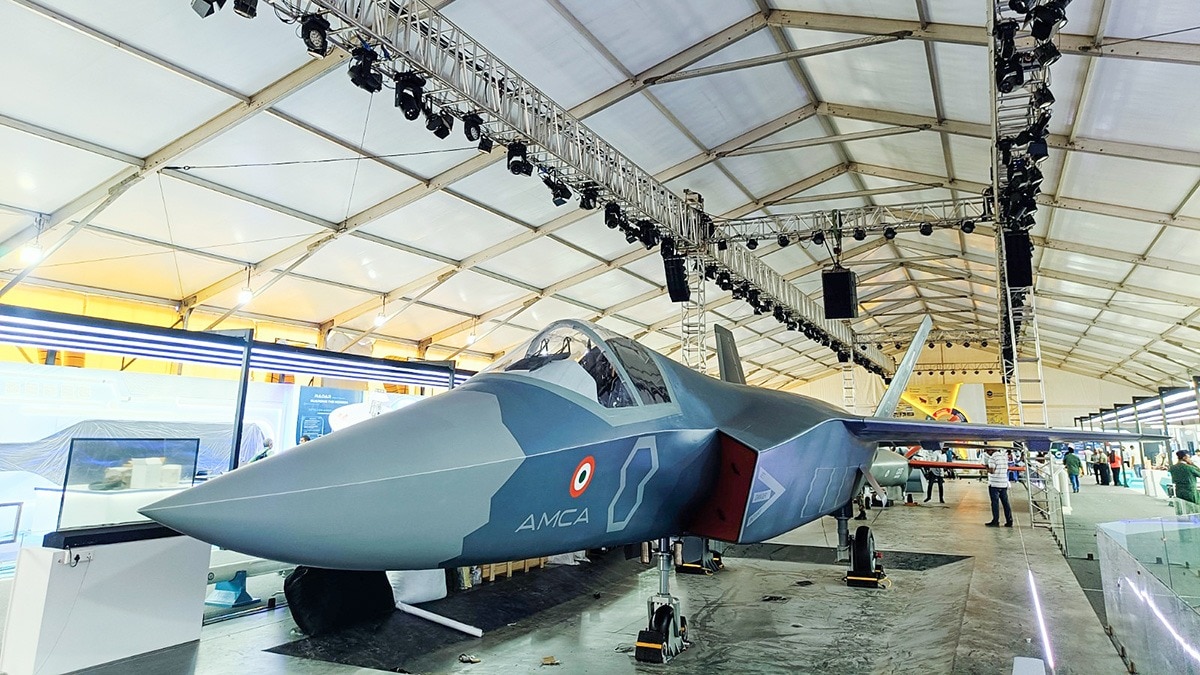
With China rapidly expanding its fifth-generation jet fleet and Pakistan seeking similar capability, stealth aircraft delays for India carry huge implicationsIndia has ruled out any immediate acquisition of additional Russian Sukhoi fighter jet variants, effectively removing the Su-57, Moscow’s first operational fifth-generation stealth fighter, from New Delhi’s current procurement considerations.Russia has repeatedly offered the option of complete production of the Su-57 in India through a joint manufacturing arrangement. The proposal was reportedly examined by sections of the Indian Air Force (IAF) as an interim solution for bridging the capability gap until India’s indigenous fifth-generation Advanced Medium Combat Aircraft (AMCA) became operational. The plan had envisaged the induction of two to three Su-57 squadrons to provide India limited stealth fighter capability during the transition period.Defence secretary R.K. Singh, who is scheduled to retire in about three months, has clarified in an interview that India is currently not considering the acquisition of any new Sukhoi variant, even though he did not specifically mention the Su-57. Singh indicated that the priority was upgrading the existing Su-30MKI fleet, which India has been producing under licence from Russia.Describing the Su-30MKI as a major success story, Singh highlighted its importance as a frontline combat platform, particularly after integration of the BrahMos supersonic cruise missile, and emphasised the need to enhance its capabilities through upgrades. The decision effectively puts on hold the IAF’s earlier consideration of acquiring a limited number of fifth-generation fighters as an interim capability until the AMCA programme matures. The AMCA, however, remains in the development stage and is not expected to enter service before the mid-2030s.The programme has recently progressed with the selection of private-sector partners—Tata Advanced Systems, Larsen & Toubro and Bharat Forge—for building five flying prototypes. Infrastructure for aircraft integration and flight testing is also being established in Andhra Pradesh. Prototype assembly is expected around 2027, rollout around 2028, and the first flight is likely between 2028 and 2029. Even if timelines are maintained, the AMCA would enter operational service only by the middle of the next decade.The growing global focus on stealth fighters has also initiated a debate over their survivability in modern conflicts. Reports of a US F-35 jet being damaged by an Iranian legacy air defence system during the ongoing West Asia conflict have raised questions about the vulnerability of even advanced fifth-generation platforms. However, defence experts point out that the effectiveness of stealth fighters depends not only on radar-evading design but advanced sensors, electronic warfare systems, data links and precision weapons.India’s challenge is further highlighted by China’s rapid expansion of its stealth-fighter capability. China has inducted more than 350 J-20 ‘Mighty Dragon’ stealth fighters, with its total fifth-generation fighter fleet estimated at around 500 aircraft. Supported by indigenous WS-10C and WS-15 engines, China is reportedly producing J-20 fighters at a rapid pace, with deployments across all theatre commands, including the western theatre command facing India.At the current rate of expansion, China could field close to 1,000 J-20s by 2030 while simultaneously increasing its J-35 fleet. In contrast, India currently has no operational fifth-generation fighter capability, leaving a huge technological gap until the AMCA becomes available.Pakistan is also moving towards acquiring stealth-fighter capability. Although the Pakistan Air Force does not currently operate any fifth-generation aircraft, Islamabad has announced its intention to acquire the Chinese Shenyang J-35A, the export variant of the J-35.While the exact numbers, contract details and delivery schedules have not been officially confirmed, defence assessments indicate Pakistan could initially induct 30-40 aircraft. The acquisition would make Pakistan the first foreign operator of the J-35 and significantly enhance its air combativeness.India’s other neighbours, such as Bangladesh, Myanmar, Nepal, Bhutan and Sri Lanka, do not operate stealth fighters and have no announced plans to acquire fifth-generation combat aircraft. Therefore, India’s primary strategic challenge remains the rapid growth of Chinese stealth capability and the possibility of Pakistan acquiring similar technology.Against this backdrop, modernisation of the Su-30MKI fleet assumes critical importance. The IAF operates approximately 259 Su-30MKI fighters, making it the backbone of its combat-aviation capability. To maintain the relevance of this fleet against evolving threats, the IAF has proposed the ‘Super Sukhoi’ upgrade, initially covering 84 aircraft, with the possibility of expanding this to the remaining fleet.The upgrade package is expected to include the indigenous Virupaksha AESA radar, advanced electronic warfare systems, new mission computers, digital cockpit displays, improved networking capabilities and integration of next-generation weapons such as Astra Mk-2, Astra Mk-3 and Rudram series missiles. However, despite the strategic importance, the programme has faced prolonged delays due to changes in requirements, lengthy approval procedures, technology integration challenges, funding issues and disruption in Russian-origin supply chains following the Ukraine conflict.Hindustan Aeronautics Limited (HAL) has been advocating greater involvement of the Russian original equipment manufacturer (OEM) in the upgrade process while the participation of Indian private-sector companies remains limited. However, Russia’s ongoing war with Ukraine and the resulting pressures on its defence industry have complicated Moscow’s ability to actively support such a large-scale modernisation programme, contributing to further delays.At a time when China is rapidly expanding its fifth-generation fighter fleet and Pakistan is moving towards acquiring stealth aircraft, delays in upgrading India’s largest fighter fleet carry significant operational implications. The widening capability gap highlights the urgent need for faster decision-making, efficient procurement mechanisms and greater participation of capable Indian defence manufacturers to build indigenous aerospace capacity and ensure long-term national security preparedness.Subscribe to India Today Magazine- EndsPublished By: Shyam BalasubramanianPublished On: Jul 29, 2026 20:11 IST
No SU-57, delayed AMCA: How India's stealth fighter jet gap is growing
Full Article
Original Source
Read the full article at Indiatoday →KhanList aggregates and links to publicly available news content. We do not host full articles from third-party sources. Always verify important information with original sources.