
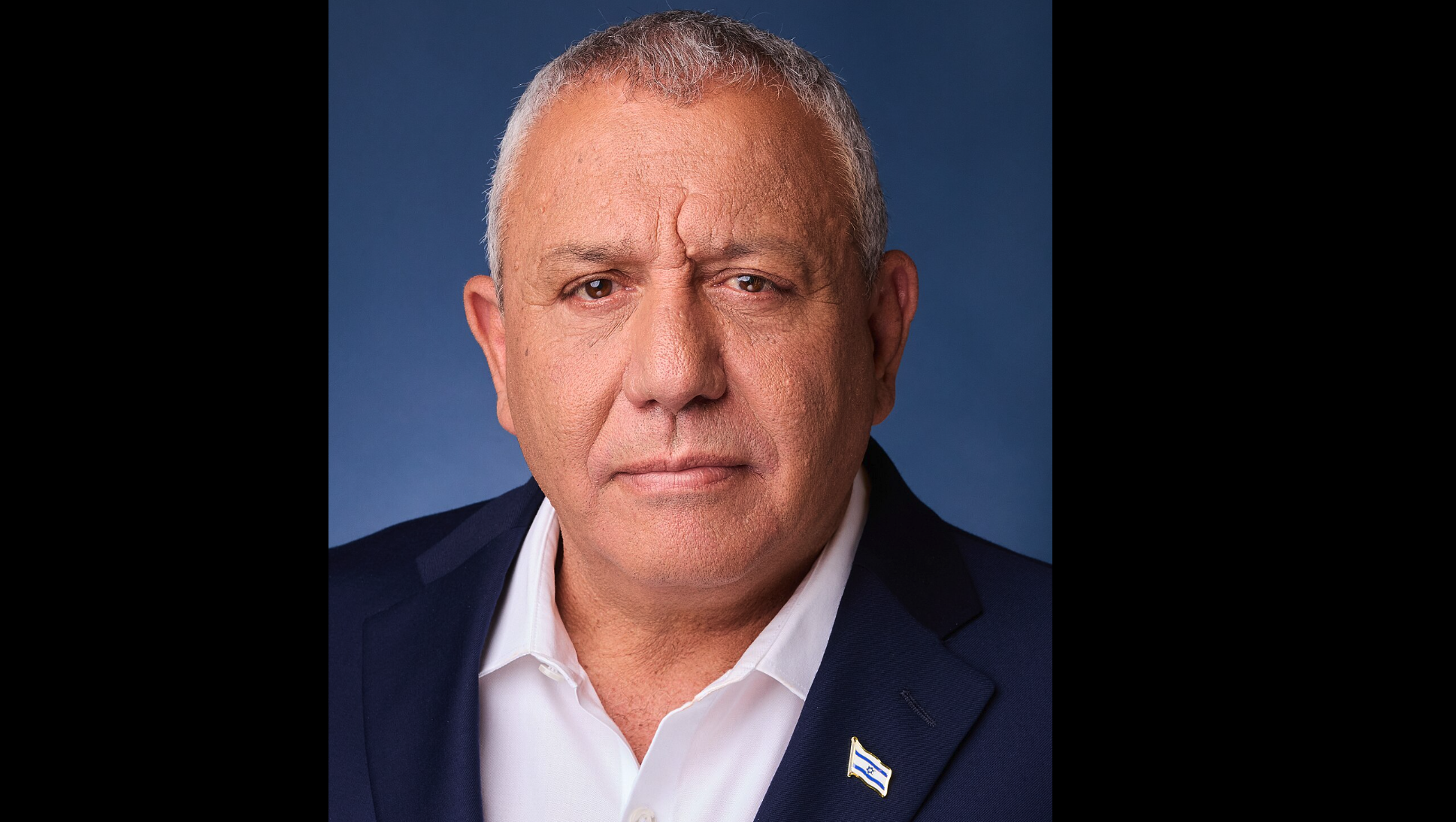
For decades, the idea of a two-state solution for Israel and Palestine has been a matter of international consensus. Today, regardless of the wave of international recognition of the State of Palestine, Western diplomats, behind closed doors, speak of its impossibility. Nevertheless, the end of the Middle East Peace Process did not mean an end to this public paradigm, but, on the contrary, since the last round of meaningful Israeli-Palestinian negotiations in 2008, the international discourse has rarely changed. Western obsession with the “two-state solution” was never translated into what actually matters to achieving it: concrete measures, including sanctions, to end the Israeli occupation. Anything else, including “Palestinian reforms,” “people-to-people programmes,” and countless second-track initiatives, has only contributed to diverting the discussion from the long-overdue implementation of the Palestinian right to self-determination toward dynamics of equalisation between occupier and occupied. Today, we can see the results of avoiding reality. Achieving a two-state solution on the 1967 borders is no longer about technical details or “land swaps.” The Israeli Zionist consensus is against Palestinian self-determination. ‘No Palestinian state’, says Netanyahu challenger The latest statement by leading Israeli candidate Gadi Eisenkot, committing not to allow a Palestinian state, says it all. The main issue separating the Israeli government from its Zionist opposition is the shape in which the occupation is perpetuated. Commitments not to allow a Palestinian state in the next government have been coming from Bezalel Smotrich to Yair Golan, the so-called leader of the Israeli progressive camp. Based on their own political programmes, whether Netanyahu, Eisenkot, or Naftali Bennett becomes the next Israeli prime minister, the differences will concern the degree of ethnic cleansing, annexation, colonial-settler expansion, and the number of settler attacks that will be tolerated—not the end of such policies and practices. For Palestinians, no matter who wins, statehood will still be denied. 'Conflict management' and the collapse of the Palestinian Authority A main difference between the two camps, however, would be conflict management. Current Israeli plans to make the Palestinian Authority collapse could change under a different government. The PA was created in 1994 as part of the Oslo Agreement and was supposed to last for an interim period of five years in order to build the institutions of the State of Palestine. The next Israeli government is unlikely to agree with this mandate. However, if the Israeli opposition wins, the PA may be considered a partner for security coordination purposes, allowing it to survive while preventing any moves toward Palestinian sovereignty. This is a path that some within the international community may suggest the PA pursue. “The requirements of the current phase” is a phrase often heard in Ramallah to justify what are otherwise unpopular policies and decisions. The idea of Palestinians merely agreeing to the survival of the PA while Israel is allowed to consolidate its colonial-settler occupation should be rejected if the goal is national liberation. Palestinians and Arabs should work with the rest of the international community to provide a roadmap for ending the Israeli occupation, based on the New York Declaration for a two-state solution and the International Court of Justice’s decision on the illegality of the Israeli occupation. Sanctions should no longer be avoided. The matter is not about names but about policies within the Israeli government. The two-state solution is indeed impossible as long as the cost of perpetuating the occupation remains lower than the cost of the international community pushing to end it. November's Palestinian elections This will certainly become a topic in the announced Palestinian elections in November. The current Palestinian administration has agreed to move ahead through a process of internationally imposed “reforms” in exchange for financial resources that will not be able to overcome the Israeli consensus against Palestinian statehood. Reforms that are neither Palestinian-initiated nor aimed at enabling the end of the Israeli occupation can only be considered part of the conflict-management schemes. They are rather designed to place conditions for national liberation, effectively blaming the Palestinians for the occupation, while settlements continue to expand all over the West Bank, including East Jerusalem. Years of institution building through a western textbook, including under Salam Fayyad, did not lead to a change of Israeli positions. More Israeli integration, such as the “Abraham Accords” did not end annexation or other Israeli crimes, but rather made Israeli positions tougher: negation of Palestinian statehood is mainstream and the idea that Israel could flourish internationally while keeping its occupation over the land and the people of Palestine has become accepted. In the absence of an Israeli counterpart that opposes the occupation and agrees to the Palestinian right to self-determination, the international context should fundamentally change. At a time when the discussion over sanctions on Israel is no longer taboo and public opinion has significantly changed, steps such as banning settlement products and services or ending military trade should not even be considered to be controversial but rather be implemented based on Israeli policies, not on who is in the Israeli government. Equally important is the fact that the international community should be encouraged to take such steps as normalising such crimes has only contributed to erasing the prospects of an international rules-based order. It is legally wrong, politically blind, and morally repulsive to condemn the Palestinian people to continue waiting for an Israeli leader who will do things differently, while the world, assuming its responsibilities, has enough legal tools to change reality. Whether Netanyahu or Eisenkot, what matters are the policies. For the rest of the world, entertaining politicians who so blatantly deny Palestinian rights simply because they make Israel look better should not be an option. The bottom line for international engagement with Israel should remain the same: ending the illegal occupation.
No candidate in Israeli election backs a Palestinian state. The EU’s answer is more ‘reforms’, not pressure
Full Article
Original Source
Read the full article at Euobserver →KhanList aggregates and links to publicly available news content. We do not host full articles from third-party sources. Always verify important information with original sources.