
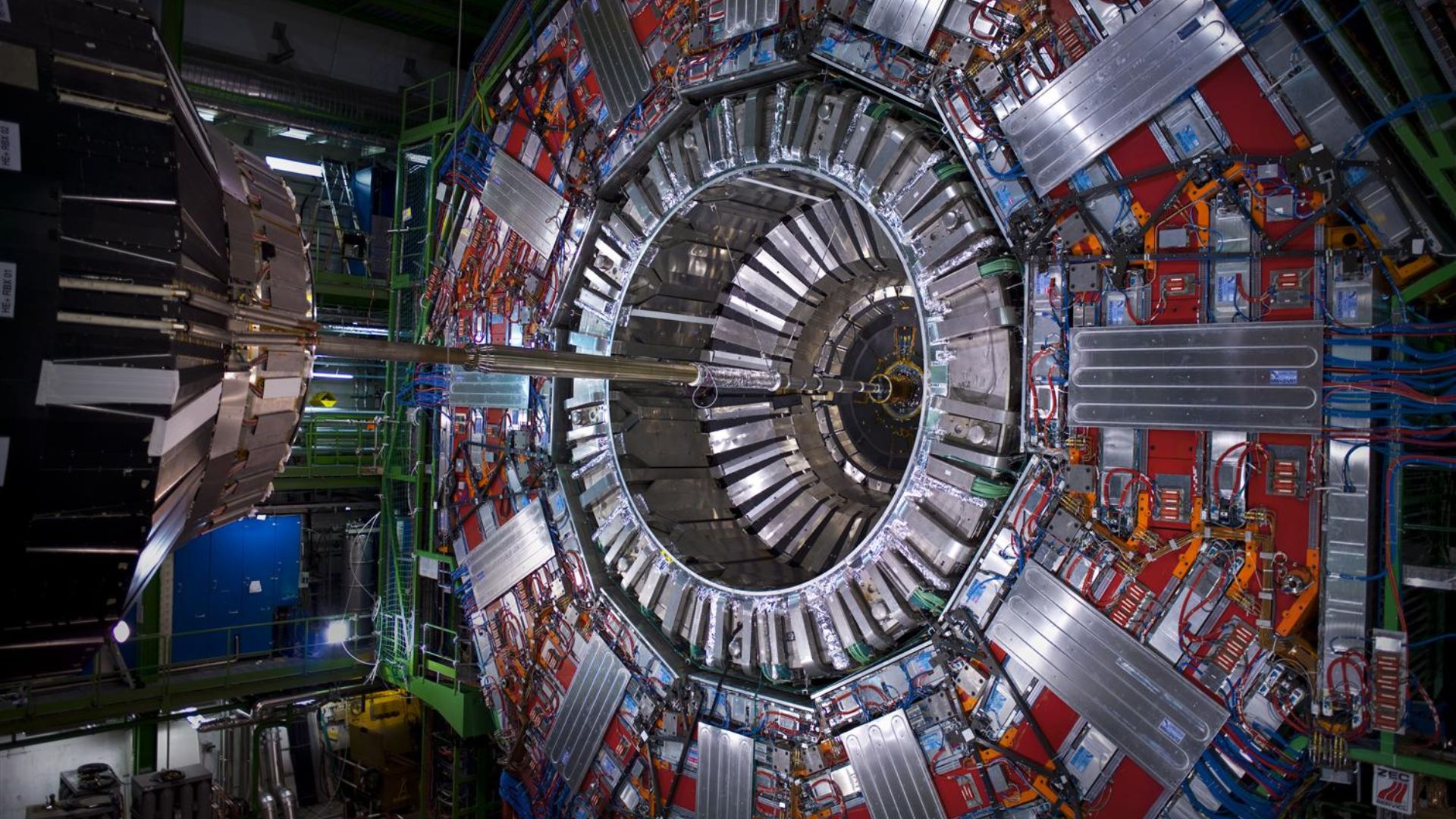
Fusion’s push toward commercial power is creating a new challenge for the industry to produce enough specialized material for the magnets that control the reaction. Bruker Energy & Supercon Technologies (BEST) and Luvata Materials & Solutions have now announced a strategic collaboration to expand production of high-performance superconductors for large fusion projects. The companies will focus on niobium-tin wire produced through the Rod-Restack Process, or RRP. The material carries extremely high currents inside the magnets used by magnetic confinement systems. Demand could rise sharply as fusion developers move toward larger demonstration plants. Projects across the US and overseas will require far more superconducting material than earlier research machines. Bigger magnets Superconducting magnets help fusion machines confine plasma without the energy losses associated with conventional conductors. RRP niobium-tin superconductors can support magnetic fields from about 12 to 20 tesla. That makes them suitable for high-field tokamaks and stellarators. The technology already has a track record in major scientific facilities. RRP superconductors have been used in CERN’s Large Hadron Collider and high-field nuclear magnetic resonance magnets. Fusion programs have also relied on the material. BEST and Luvata previously supplied expertise and materials to ITER and Germany’s Wendelstein 7-X stellarator. The growing scale of planned fusion systems now brings manufacturing capacity into sharper focus. “The future of fusion energy will depend not only on scientific breakthroughs, but also on the availability of a robust industrial ecosystem,” Burkhard Prause, BEST’s president and CEO, said. He added the partnership will help expand production while strengthening superconducting supply chains for fusion customers. Supply pressure Fusion companies increasingly need suppliers capable of producing specialized materials at industrial scale. A promising reactor design still faces hurdles if manufacturers cannot produce its magnets fast enough. BEST and Luvata plan to expand manufacturing capacity for RRP superconductors. They also want to give fusion developers more flexibility across their supply chains. The requirement extends across different reactor designs. Tokamaks use doughnut-shaped chambers, while stellarators rely on more complex magnetic geometries. Major fusion programs are now advancing across the US, Europe, China, Japan and South Korea. Their material requirements could exceed those of earlier projects focused mainly on plasma research. Gauss Fusion is evaluating RRP superconductors for its planned high-field stellarator demonstrator. The company is also considering the technology for its proposed GIGA fusion power plant platform. Fusion scales up “The fusion sector is entering an exciting phase of growth and industrialization,” Antti Kilpinen, Luvata’s executive vice president for superconductors, said. He said larger programs could create opportunities for industrial suppliers with experience in superconducting technologies. The shift changes the challenge facing fusion beyond plasma performance. Researchers still need to prove their machines can sustain the conditions required for fusion. Manufacturers now face another test. They must determine whether specialized components such as superconducting wire can keep pace with the industry’s ambitions. That question could become increasingly important as fusion projects move from experimental facilities toward power-producing machines. Get the latest in engineering, tech, space & science - delivered daily to your inbox.Aamir is a seasoned tech journalist with experience at Exhibit Magazine, Republic World, and PR Newswire. With a deep love for all things tech and science, he has spent years decoding the latest innovations and exploring how they shape industries, lifestyles, and the future of humanity.
Niobium-tin superconductors scale up for fusion magnets reaching peak 20-tesla fields
Full Article
Original Source
Read the full article at Interestingengineering →KhanList aggregates and links to publicly available news content. We do not host full articles from third-party sources. Always verify important information with original sources.