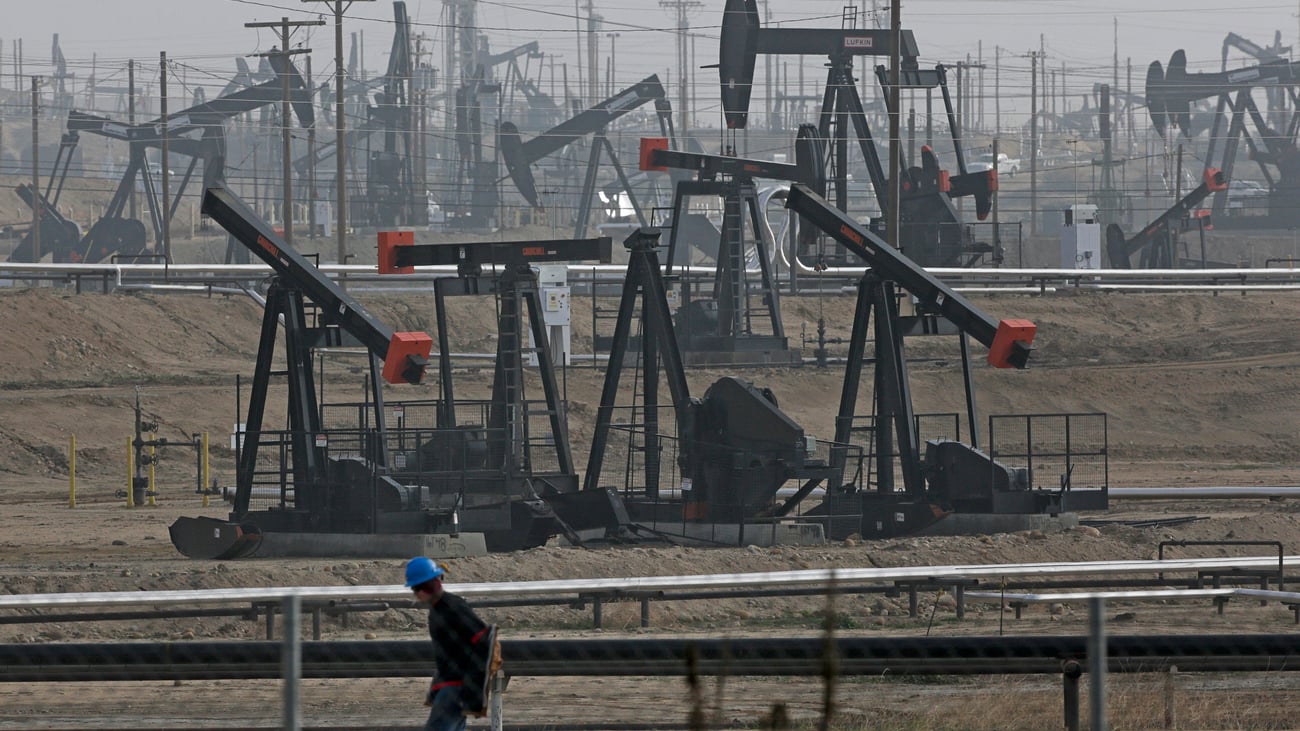
A three-judge panel remanded the issue to the EPA after finding the Clean Air Act didn't allow for feasibility exemptions.SAN FRANCISCO (CN) — A Ninth Circuit panel ruled Wednesday that the EPA improperly provided an exemption to a California plan meant to improve air quality for what’s been called one of the worst areas in the nation.The three-judge panel in a split decision remanded the issue to the Environmental Protection Agency. Writing for the majority, U.S. Circuit Judge Salvador Mendoza Jr. determined the EPA created an exemption and inserted it into the Clean Air Act, which that section of the act doesn’t allow.U.S. Circuit Judge Daniel Bress dissented, saying the majority wrongly found that any consideration of feasibility when meeting air quality goals is forbidden.The Committee for a Better Arvin argued the EPA violated the Clean Air Act by adopting subjective exemptions for the San Joaquin Valley. The group claimed the agency based those exemptions on undefined feasibility considerations and approved contingency measures that led to minimal pollution reductions.The EPA sets ambient air quality standards, but it’s mostly up to the states to implement them. EPA labels regions “attainment” or “nonattainment” depending on whether they meet benchmarks.The Clean Air Act requires state plans have contingencies for nonattainment areas, like the San Joaquin Valley. However, the committee said those contingency plans failed to meet the improvement level needed for the valley.“One of these contingency measures would require stricter wood burning restrictions if triggered, the second would require more ‘fugitive dust’ control measures in certain open areas in the valley, and the third would require more vehicles in the area to undergo smog checks,” wrote Mendoza, a Joe Biden appointee. “Notably, the proposed rule required only ‘one year’s worth of progress.’ This marked a departure from the EPA’s traditional requirement that contingency measures provide for ‘one year’s worth of reasonable further progress.’”The EPA’s proposed rule also recommended the acceptance of feasibility analyses, which could justify emissions reductions not meeting the necessary standard. The agency later made the rule final despite environmental groups voicing concerns, Mendoza wrote.Pointing to the U.S. Supreme Court’s 2024 decision in Loper Bright v. Raimondo, Mendoza noted that the panel couldn’t defer to the EPA and must find the “best meaning” of ambiguous statutes.“The EPA’s position is that explicit feasibility allowances elsewhere in the act suggest that it can consider feasibility in this instance,” Mendoza wrote. “But the fact that other provisions in the act provide for infeasibility exemptions — and that Section 172(c)(9) does not — fatally undermines the EPA’s position.”Congress gave the EPA feasibility in other parts of the Clean Air Act, but not in that particular section. Mendoza wrote that the EPA plucked a feasibility exemption from thin air. As the act doesn’t allow it, the rule must be remanded to the agency.Mendoza ended the majority’s analysis by stating the purpose of the act — requiring states to properly regulate air pollution.“This case is about a limited question of statutory interpretation: Does the best meaning of Section 172(c)(9) include a feasibility exemption, even if the text does not expressly provide for one?” Mendoza added. “The answer, based on our established canons of statutory interpretation, is no.”U.S. Circuit Judge Sidney Thomas, a Bill Clinton appointee, joined Mendoza in the majority. Bress, a Donald Trump appointee, dissented.Bress wrote that the majority mistakenly decided that the Clean Air Act requires states to have infeasible contingency measures to meet air quality benchmarks.“This alarming ruling is mistaken, sending states into a regulatory freefall in which they must either adopt infeasible emission control measures or else face severe, escalating sanctions,” Bress added. “California and the federal government do not always see eye to eye, but they both agree the Clean Air Act was never meant to operate in this Kafka-esque way.”Contacted by Courthouse News, neither side provided comment as of publication time.Subscribe to our free newslettersOur weekly newsletter Closing Arguments offers the latest about ongoing trials, major litigation and rulings in courthouses around the U.S. and the world, while the monthly Under the Lights dishes the legal dirt from Hollywood, sports, Big Tech and the arts.Additional Reads
Ninth Circuit nixes EPA’s air quality plan in San Joaquin Valley
Full Article
Original Source
Read the full article at Courthousenews →KhanList aggregates and links to publicly available news content. We do not host full articles from third-party sources. Always verify important information with original sources.