
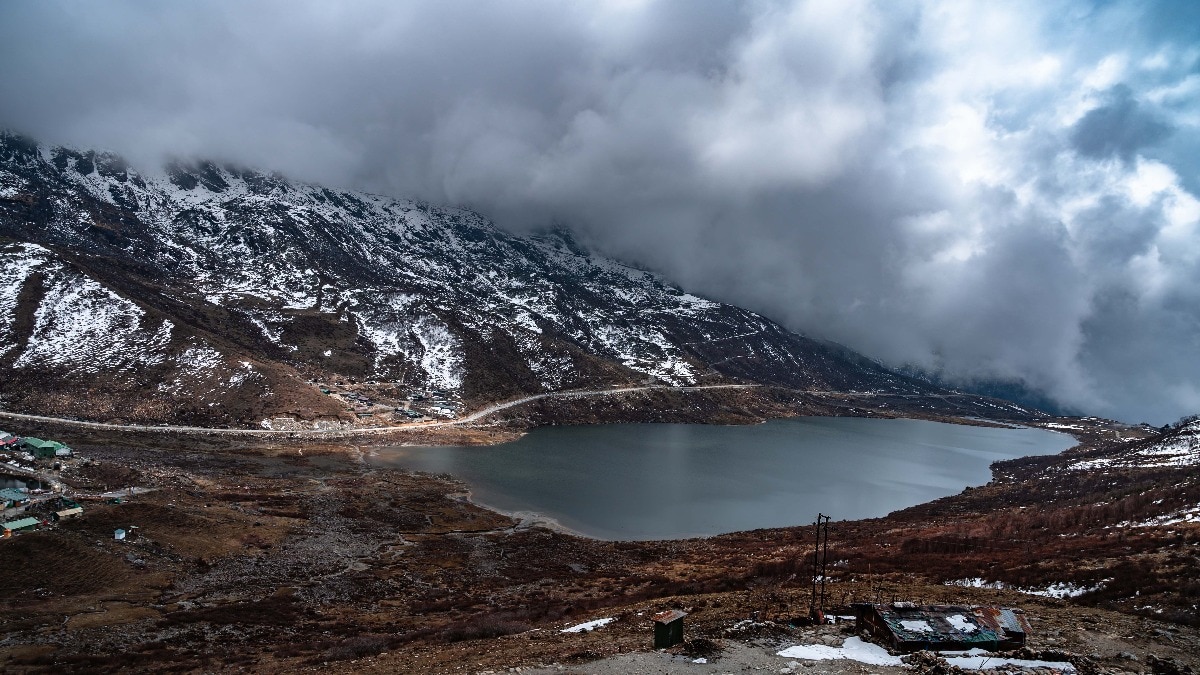
Glacial lakes are growing across the Himalayas as temperatures rise. Here are the ones IIT Mandi researchers have flagged in Himachal Pradesh as particularly vulnerable.Kupup Lake, a high-altitude glacial lake is pictured. (Photo: Getty)Nine rapidly expanding glacial lakes in Himachal Pradesh could pose a serious threat to downstream communities as rising temperatures accelerate glacier melting across the Himalayas, according to a study by researchers at IIT Mandi.The researchers, who analysed satellite imagery and other datasets, found that the number of glacial lakes in the Himalayan region has increased by nearly 30 per cent over the past decade.Their size has also expanded significantly, raising concerns over the possibility of sudden glacial lake outburst floods that could unleash massive volumes of water and debris downstream. An aerial drone view of a heart shaped glacial lake. (Photo: Getty) The study identified nine lakes, Kalikund, Chandratal, Vasuki, Surai, Kya Tso, Yoche, Samudra Tapu, Kasang and Gepang Gath, as particularly vulnerable. These lakes are located in the high-altitude regions of Chamba and Lahaul and could potentially behave like “water bombs” if their natural barriers fail. Professor Dr Dericks P. Shukla, a researcher involved in studying Himalayan glacial lakes, said the number of such lakes across the Himalayan region is now approaching 2,000.A sudden drainage event triggered by a landslide, earthquake or other disturbance could cause widespread destruction in valleys below. More than 15 bridges, several populated villages and educational and healthcare institutions fall within the potential hazard zones of these lakes, the study warned.Among the most significant changes, the Gepang Gath lake has expanded by around 244,000 square metres due to glacier melting. Kasang lake has grown by nearly 150,000 square metres, while Kalikund has expanded by around 120,000 square metres. Bitan Cho or Elephant Lake is pictured. (Photo: Getty) Researchers flagged Kalikund as especially sensitive because of the steep slopes surrounding the lake, which could increase the risk of a sudden collapse or outburst.Climate change is not the only concern. The study also points to human activity as a possible factor accelerating glacier melt. Growing tourist activity in Himalayan regions can increase dust deposition on glaciers. Dark dust absorbs more sunlight than clean snow and ice, potentially speeding up melting.Natural events such as earthquakes and landslides can further destabilise glacial lakes and trigger sudden flooding.Government agencies, including the Central Water Commission and the National Disaster Management Authority, currently classify four glacial lakes in Himachal Pradesh as being in sensitive zones. A satellite image shows one of two lakes at the site of the glacial collapse between Nepal and Tibet. (Photo: Reuters) Three of these also feature in the IIT Mandi dataset.Researchers say satellite technology has made it easier to track these rapidly changing lakes, but stress that field-based monitoring, early-warning systems and stronger government intervention are urgently needed.- EndsPublished On: Sep 3, 2026 18:34 IST
Nine glacial lakes in Himachal pose serious threat to people living downstream
Full Article
Original Source
Read the full article at Indiatoday →KhanList aggregates and links to publicly available news content. We do not host full articles from third-party sources. Always verify important information with original sources.