
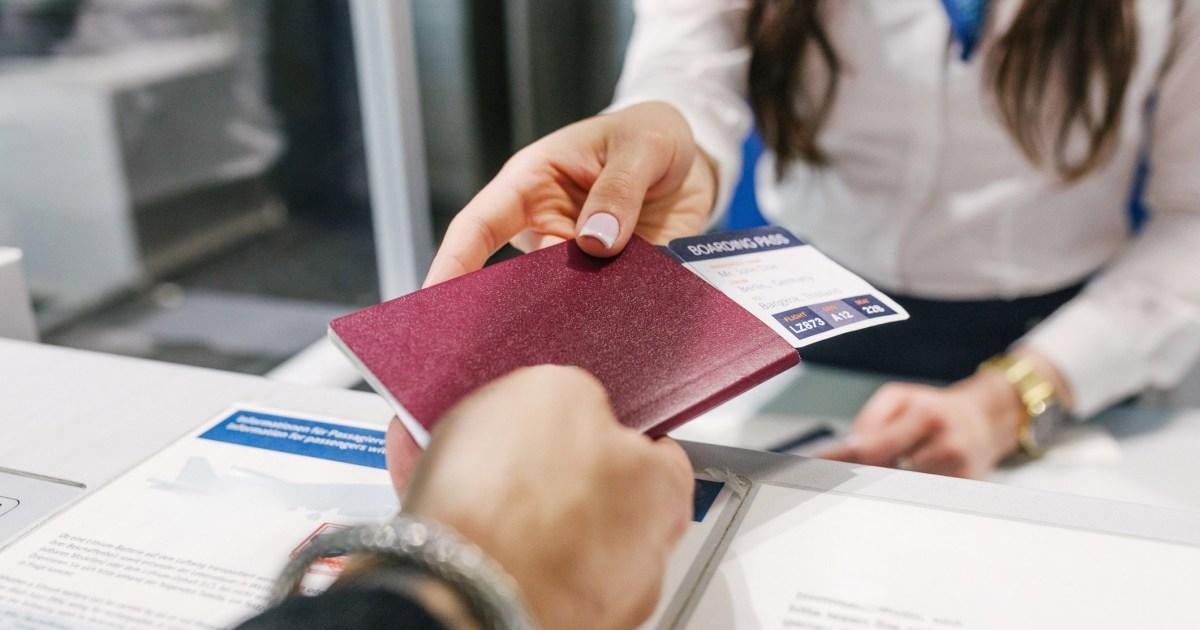
The roll-out of the entry and exit system (EES) hasn’t exactly been smooth (Picture: Getty Images) The EU has allowed multiple countries in the Schengen Zone to pause rolling out the entry and exit system (EES) in full. At least nine countries can now wait until the necessary technology required to complete facial and fingerprint scans is up to scratch. These countries include France, Belgium, the Netherlands, Germany, Greece, Malta, Portugal, Italy and Switzerland. The European Commission wants the ‘remaining operational challenges fully addressed by the end of the year.’ Introduced in October 2025, the EES system replaced traditional manual passport stamping with electronic tracking. It requires non-EU citizens to register fingerprints and photos when they enter the 29 countries known as the Schengen Area. Except it hasn’t exactly been plain sailing. Since the partial implementation, European airports have seen queues lasting multiple hours at passport control, and in some cases, passengers have even reported missing their flights home. Over the summer, member states were able to partially suspend these digital checks in exceptional circumstances to speed up the process. However, the grace period for this ended on September 6, which led Ryanair to label the system a ‘shambles,’ with COO Neal McMahon asking the EU Commission to extend the EES derogation until April 2027. Earlier this month, he said: ‘The EU’s handling of EES has been a shambles from start to finish. Ask Metro Use AI to go deeper into the stories you care about – powered by Metro and trusted publications. ‘Airlines, airports and border authorities repeatedly warned Brussels that the rollout was not ready, that it would increase processing times and that it would create excessive queues for passengers. Those warnings were ignored, with EU citizens the ones delayed and disrupted.’ Now, the European Commission has revealed it’s in ‘close and constructive contact’ with the member states where adjustments are needed, namely to speed up the flow of people at certain crossing points. A spokesperson for the European Commission told The i Paper: ‘We have asked them to further intensify their operational preparedness, including the necessary technical, organisational and communication measures, with a view to ensuring that remaining challenges are fully addressed by the end of the year.’ The new system requires biometric data, including fingerprints and facial pictures (Picture: Nicolas Economou/NurPhoto via Getty Images) How does the EES system work in the EU? Most travellers from outside the EU, known as third-country nationals, will be required to register their passport details and biometric data when crossing into an EU country for the first time. Biometric data includes fingerprints and facial pictures. This data, as well as the entry and exit details, will be stored for subsequent visits. Future visits will only require verification of the biometric data, which can speed up the process. Border officials will then also ask extra questions about accommodation, whether travellers have enough money for the trip, insurance and a return ticket. Children are not exempt from the checks, although children under 12 do not need to give fingerprints; however, they will also need to have their face scanned. The checks are usually carried out at the destination airport or port upon arrival (Picture: Justin Tallis/AFP/Getty Images) Will EES checks happen in the UK? Usually, the checks will be carried out at the destination airport or port on arrival. The exceptions are: Port of Dover St Pancras International Folkestone Travellers heading to the EU will go through the checks there, as these are dual British and French border locations. Our Top Shopping Picks Primark's new £14 co-ord has autumn styling on a budget covered Topman’s new-season collection has arrived and prices start at just £10 An Instagram mattress left me with back pain – this one completely changed my mind From £700 MacBooks to discounted iPhones, the best Apple tech for studentsb Save 25% on red light therapy masks, sauna blankets and sleep gadgets in Bon Charge sale It means you don’t then need to go through the checks again when stepping off the train or ferry on the European mainland. Who is exempt from the EU entry and exit system? EU passport holders, including Irish and Cyprus British passport holder with EU residency permit or a long-stay visa Nationals of Andorra, Monaco, San Marino and passport holders of the Vatican City State/the Holy See. Which countries are in the Schengen Area? Austria Belgium Bulgaria Croatia Czechia Denmark Estonia Finland France Germany Greece Hungary Iceland Italy Latvia Liechtenstein Lithuania Luxembourg Malta Netherlands Norway Poland Portugal Romania Slovakia Slovenia Spain Sweden Switzerland. Do you have a story you’d like to share? Get in touch by emailing MetroLifestyleTeam@metro.co.uk Arrow MORE: ‘Dead zoning’: the new travel trend helping people to think clearly Arrow MORE: ‘Extreme’ travel warning for anyone heading to the Canary Islands this week Arrow MORE: EU banning kids from Fortnite is ‘terrible for the next generation of humanity’ The Getaway Expert Your exclusive seven-day guide to travelling with confidence from Metro's resident travel expert, Alice Murphy.
Nine EU countries can pause EES rollout for the rest of 2026 — here’s why
Full Article
Original Source
Read the full article at Metro →KhanList aggregates and links to publicly available news content. We do not host full articles from third-party sources. Always verify important information with original sources.