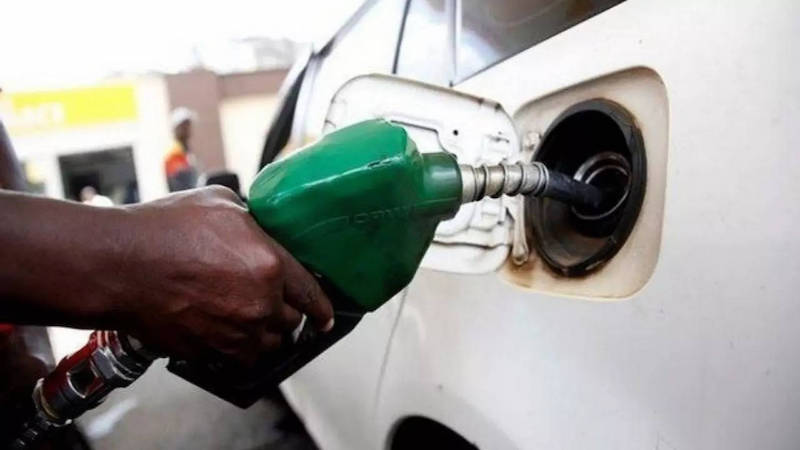
Nigeria’s Petrol Consumption Drops 15.7% to 4.2bn Litres as Fuel Prices Rise Emmanuel Addeh in Abuja Nigeria’s total petrol consumption dropped from 5.07 billion litres in Q1 to 4.27 billion litres in Q2 2026, representing a 15.7 per cent fall, amid rising pump prices induced by the US-Iran war, a THISDAY analysis of data from the Nigerian Midstream and Downstream Petroleum Regulatory Authority (NMDPRA) has revealed. The official downstream performance statistics reflected the steady contraction in daily distribution volumes throughout the period, with 2026 beginning with a robust daily consumption average of 60.2 million litres in January. However, the figures released by the NMDPRA indicated that consumption declined to 56.9 million litres in February and fell further to 47.3 million litres in March. The downward trajectory persisted straight into the second quarter as average daily truck-outs recorded 51.1 million litres in April, 46.3 million litres in May, but rose slightly to 47.4 million litres in June. In total, the nation consumed roughly 797.6 million fewer litres of petrol in Q2 compared to Q1 as the global oil market crisis ramped up, the data showed. The US-Iran conflict has led to major blockades along the critical Strait of Hormuz shipping route, through which a fifth of global oil supplies transit. With global crude benchmarks surging past $100 per barrel, the landed cost of refined petroleum products in Nigeria has also skyrocketed. Consequently, retail pump prices across major Nigerian cities leapt from N800 per litre prior to the conflict to as high as N1,400 per litre currently. This has forced households, commercial transporters, and industrial operators across the country to cut back drastically on fuel usage. However, in sharp contrast to declining domestic demand, petrol import volumes expanded significantly over the same timeframe. Total petrol imports jumped from an estimated 266.9 million litres in Q1 to 836.9 million litres in Q2, representing an increase of over 213 per cent quarter-on-quarter The heavy reliance on foreign supply was particularly pronounced in June, when daily import receipts spiked to 18.1 million litres as marketers moved to bridge domestic refining variances and maintain baseline national stock sufficiency during the peak of global market instability as well as, according to them, provide a viable competition to the Dangote Refinery. Besides, the economic pressure of elevated fuel costs extended well beyond petrol, causing visible demand contractions across other essential refined products monitored by the regulator. Diesel saw consumption fall from 1.67 billion litres in Q1 to 1.47 billion litres in Q2. Daily diesel averages dropped from 20.3 million litres in February to 16.0 million litres in May and June. In the same vein, cooking gas consumption slid from a daily peak of 5.2 kilotonnes in February to 4.1 kilotonnes by June, amid skyrocketing prices, which rose as high as N2,000 per kilogramme. During the same period under consideration, kerosene also experienced minor fluctuations before closing Q2 at 2.9 million litres per day. In all, during the period, the dual pressure of international market volatility and domestic cost adjustments fundamentally reshaped consumer behaviour across the country as vehicle owners, especially in Abuja, now increasingly resort to carpooling while reducing non-essential trips. At the same time, small businesses that rely on petrol-powered generators have been forced to alter operational hours or pass rising overhead costs directly to consumers, with no end in sight to the global oil market crisis. Also, the NMDPRA’s tracking data indicated that stock sufficiency levels for petrol remained within operational thresholds throughout the period, averaging between 16 and 33 days.
Nigeria’s Petrol Consumption Drops 15.7% to 4.2bn Litres as Fuel Prices Rise
Full Article
Original Source
Read the full article at Thisdaylive →KhanList aggregates and links to publicly available news content. We do not host full articles from third-party sources. Always verify important information with original sources.