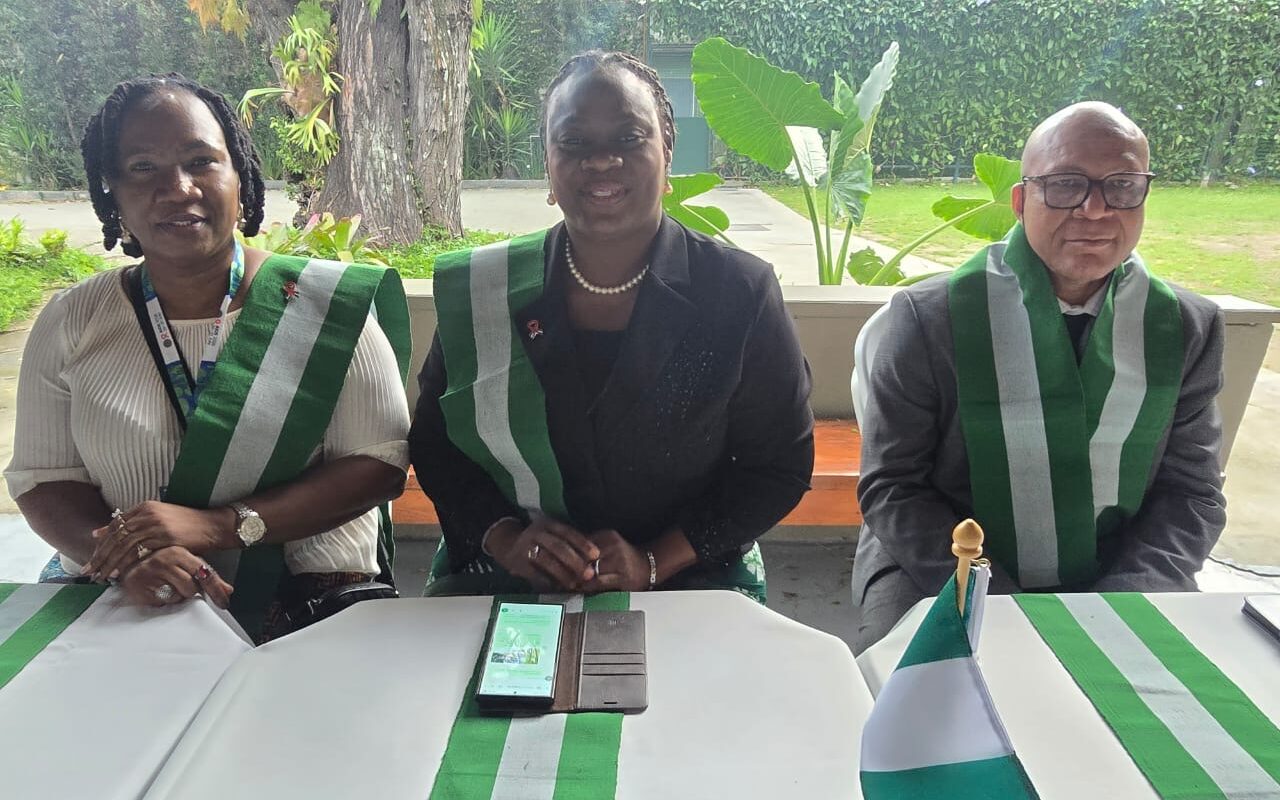
Nigeria is intensifying efforts to strengthen domestic financing for its HIV response as declining international donor support threatens decades of progress in HIV prevention, treatment and care. The Director-General of the National Agency for the Control of AIDS (NACA), Temitope Ilori, made this known on Wednesday at the Nigeria side event during the 26th International AIDS Conference (IAS 2026) in Rio de Janeiro, Brazil. Speaking on the theme, “Sustainability: Strengthening Resource Mobilisation for the National HIV Response in Nigeria,” Ms Ilori said the country must transition to a more resilient and self-reliant HIV programme capable of withstanding changing global economic realities. Ms Ilori said Nigeria has recorded significant progress in tackling HIV over the past two decades through partnerships involving the federal government, development partners, civil society organisations, communities of people living with HIV and the private sector. However, she warned that changing global economic realities and declining development assistance require the country to rethink how it finances its HIV programme. “The future of the HIV response depends not only on scientific breakthroughs and effective interventions but also on our collective ability to build resilient, sustainable financing systems that can withstand evolving global economic realities,” she said. She said sustainability extends beyond replacing donor funding with domestic resources. According to her, it also requires stronger institutions, improved governance, greater efficiency, innovation and expanded partnerships to ensure available resources deliver maximum impact. Funding pressures Ms Ilori’s remarks come as global HIV financing faces increasing pressure. A recent report by the Joint United Nations Programme on HIV/AIDS (UNAIDS) showed that international donor funding for HIV programmes fell by 25 per cent in 2025, the largest single-year decline since global HIV financing began expanding. The report attributed the drop largely to reductions in financial support from the United States, stemming from funding delays and the cancellation of several international health programmes. The funding cuts have disrupted HIV services across several African countries, prompting governments to explore emergency funding measures and longer-term domestic financing options. In Nigeria, PREMIUM TIMES has reported that reductions in donor support disrupted community-based HIV treatment and support programmes, raising concerns about continuity of care for people living with HIV. To address the challenge, the federal government launched the National HIV and AIDS Strategic Plan (NSP) 2026–2030 in June, which seeks to transition the country’s HIV response from donor dependence to greater domestic financing and national ownership. Turning lessons into action As part of efforts to strengthen the national response, Ms Ilori announced that NACA would convene a post-IAS stakeholders’ engagement after the conference. She said the meeting would review key scientific advances, policy directions and best practices emerging from IAS 2026 and adapt them to Nigeria’s HIV programme. “We are here not merely to discuss challenges but to identify actionable solutions and forge stronger partnerships that will shape the future of Nigeria’s HIV response,” she said. Nigeria-Brazil partnership Also speaking, Nigeria’s Charge d’Affaires to Brazil, Basil Okolo, said the renewed strategic partnership between Nigeria and Brazil presents opportunities to deepen cooperation in the health sector. READ ALSO: Global HIV funding suffers biggest decline in decades as US cuts threaten progress, UNAIDS warns He said recent bilateral engagements between the two countries reaffirmed their commitment to expanding collaboration through knowledge exchange, local manufacturing of health commodities, research, regulatory strengthening, and health systems innovation. Mr Okolo said stronger partnerships among governments, development partners, academia, civil society, communities and the private sector would be critical to achieving sustainable health outcomes. He thanked Nigeria’s partners for their continued support of the country’s HIV response and called for continued collaboration. Discover more from Premium Times Nigeria Subscribe to get the latest posts sent to your email.
Nigeria seeks stronger domestic funding to sustain HIV response
Full Article
Original Source
Read the full article at Premiumtimesng →KhanList aggregates and links to publicly available news content. We do not host full articles from third-party sources. Always verify important information with original sources.