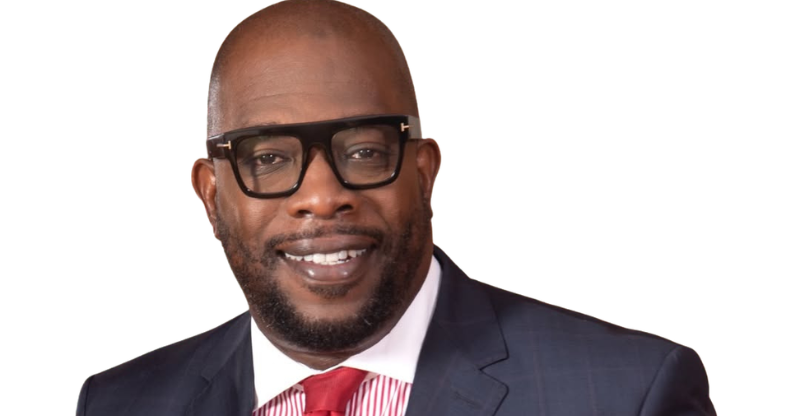
Minister of Home Affairs Gregory Nicholls. (File photo) A new bill aimed at exposing the true owners of companies and curbing fraud could close long-standing loopholes that allow businesses to evade taxes and obligations and defraud others, Minister of Home Affairs Gregory Nicholls has told Parliament. The Beneficial Ownership Transparency and Register Bill, introduced in the House of Assembly on Tuesday, would establish a framework to identify the true owners of companies operating in and through Barbados, a move Nicholls said would strengthen transparency and regulatory oversight. He said: “Not only are we seeking to put a platform to ensure that the people who run businesses in Barbados and run businesses through Barbados are properly identified and ascertained for regulatory and legislative purposes, we are now making sure that we can have a register that ensures we can know who are the owners of the companies, -the real owners, the real movers and shakers. “Not those people who are hiding behind a nominee agreement or shareholder agreement, or who are hiding behind these elaborate trusts and instruments that allow them to evade the payment of taxes, that allows them to evade the laws of Barbados, such as the obligation to pay national insurance, the obligation to fulfil commitments to workers in Barbados, and the opportunity to defraud other companies.” The legislation would make it easier to identify the people behind companies, he said. The minister, a lawyer, recalled the experience of a contractor who completed work for a tourism developer incorporated in Barbados, only to discover the company was, in fact, linked to a Europe-based business that stopped making payments after the project was completed, leaving the contractor owed hundreds of thousands of dollars. You Might Be Interested In Although the shareholders and directors of the two companies were the same, establishing common ownership for legal proceedings proved difficult, he said. “We could not ascertain and verify for the purpose of submitting the evidence in the court that the owners were the same.” The bill therefore would strengthen efforts to investigate and prosecute such offenders, he suggested. “This legislation also facilitates those inquiries in legal matters such as those where people try to hide behind corporate structures and vehicles to defraud the Barbadian enterprises when they procure Barbadian services.” Nicholls said the legislation would also strengthen Barbados’ fight against financial crime, tax evasion and terrorist activity by creating a beneficial ownership register. The register, he explained, would keep up-to-date ownership records and other corporate information while ensuring Barbados continued to meet international standards for financial jurisdictions. He said the legislation would not impose additional burdens on smaller businesses, noting that companies earning less than $1 million would have access to a business compliance team to help them meet the new requirements. The minister also argued that stronger corporate governance would improve access to financing, particularly for family-owned and small businesses: “The bill doesn’t make the risk-averse posture of our financial institutions change overnight, but what the bill does is remove one of the many structural barriers that small businesses in the country face. Better ownership information by way of the beneficial ownership register will mean better customer due diligence, quicker credit assessments, lower compliance costs, greater confidence in beneficial ownership, and improved risk modelling by the financial system. That helps small businesses because you don’t now have to go and bring the affidavits and all the other obtuse things that financial institutions might ask you to go for while they might very well deny your application for financing.” He added: “Banks can spend less time trying to determine who actually owns the business and more time determining and evaluating whether the business warrants and deserves financing. The result, I believe, will be a financial system that can allocate the resources to those innovators, those creatives, those small businesses. Our problem has never been a shortage of money. Our problem has been connecting the capital, the excess liquidity in the system to the businesses that really deserve it.” (JB)
Nicholls: Bill targets hidden company ownership, fraud
Full Article
Original Source
Read the full article at Barbadostoday →KhanList aggregates and links to publicly available news content. We do not host full articles from third-party sources. Always verify important information with original sources.