
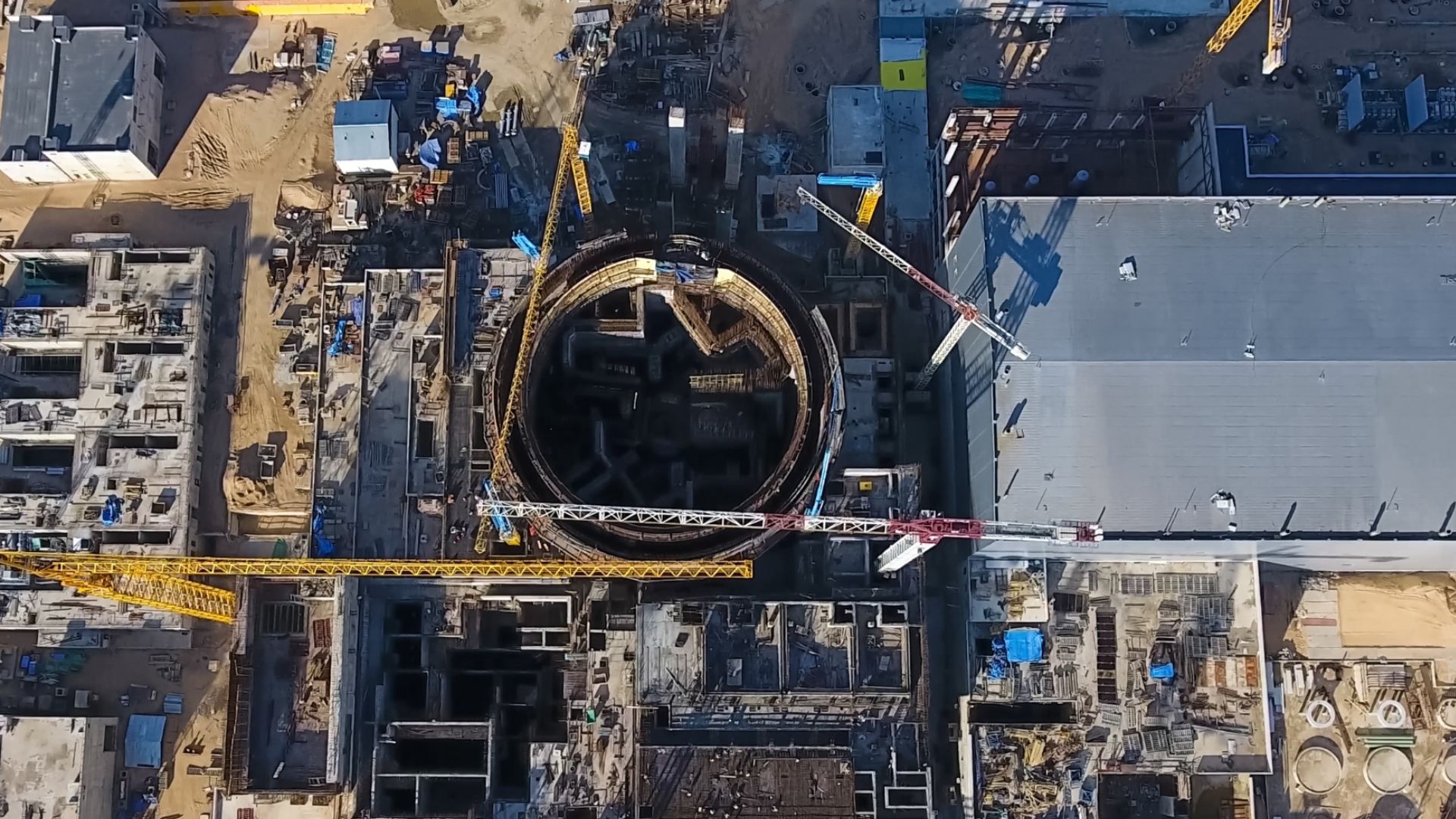
Constructing a new commercial nuclear power plant is not a piece of cake. It involves rigorous efforts, including years of exhaustive paperwork long before a single shovel hits the dirt. Companies looking to build a nuclear plant first need to evaluate sites, followed by strict compliance with regulatory approvals, and, most importantly, select the right reactor technology. They also face complex technical planning before construction can begin. Now, US nuclear developer Elementl Power is teaming up with Google Cloud to tackle those preconstruction delays using artificial intelligence. The partnership centers on Elementl Lattice, an integrated project delivery and capital management platform built on Google’s BigQuery data analytics and Gemini for business models. The system pairs cloud computing with Elementl’s experience in nuclear engineering and energy finance. Together, these capabilities replace fragmented, manual planning with standardized digital workflows. As teams use the software, Lattice captures real-world operational data to improve cost and schedule certainty across future builds. “A major preconstruction bottleneck for nuclear energy stems from an intelligence and data orchestration problem, which Elementl is using Gemini for business to tackle head-on,” said Raiford Smith, global director of Power & Energy at Google Cloud. Smith added that the technology shifts the industry away from isolated studies toward “real-time, predictive project delivery that accelerates the arrival of efficient baseload power to the grid.” Accelerating siting for upcoming projects The push for faster deployment is underscored by Elementl’s active infrastructure pipeline. Earlier in June, the independent developer announced plans to build a 1.5-gigawatt nuclear facility in Southeast Ohio. Through an Early Works Agreement with GE Vernova Hitachi Nuclear Energy, the site will deploy BWRX-300 small modular reactors. This contract positions the installation among the earliest commercial projects of its kind in the United States. To support this growing portfolio, Elementl has already launched the first operational tool within the Lattice suite, known as Atlas. Choosing a viable nuclear site requires cross-referencing hundreds of geographic, environmental, and grid-infrastructure variables. Atlas evaluates several candidate locations across thousands of square miles at the same time, factoring in the specific technical demands of multiple reactor designs. Preliminary desktop research that once took months can now be completed in days or weeks. As a result, engineering teams can move into deeper physical site assessments much faster. Standardizing designs for scalable deployment Future updates to Lattice will target another major source of nuclear delays: regulatory duplication. Engineers are developing a unified digital ledger to track a plant’s approved design specifications, licensing requirements, and structural modifications. Maintaining this controlled master record will allow teams to reuse verified regulatory and engineering work across subsequent plants built with standardized reactor designs. Elementl Chairman and CEO Chris Colbert said the collaboration turns institutional nuclear expertise into practical software that helps teams “move faster and with greater confidence.” The platform cuts down on repetitive engineering tasks and carries lessons from one project into the next. Ultimately, this approach makes commercial nuclear deployment both repeatable and scalable. Get the latest in engineering, tech, space & science - delivered daily to your inbox.An active and versatile journalist and news editor. He has covered regular and breaking news for several leading publications and news media, including The Hindu, Economic Times, Tomorrow Makers, and many more. Aman holds expertise in politics, travel, and tech news, especially in AI, advanced algorithms, and blockchain, with a strong curiosity about all things that fall under science and tech.
Next-generation US nuclear reactors get boost as new cloud tools slash planning delays
Full Article
Original Source
Read the full article at Interestingengineering →KhanList aggregates and links to publicly available news content. We do not host full articles from third-party sources. Always verify important information with original sources.