
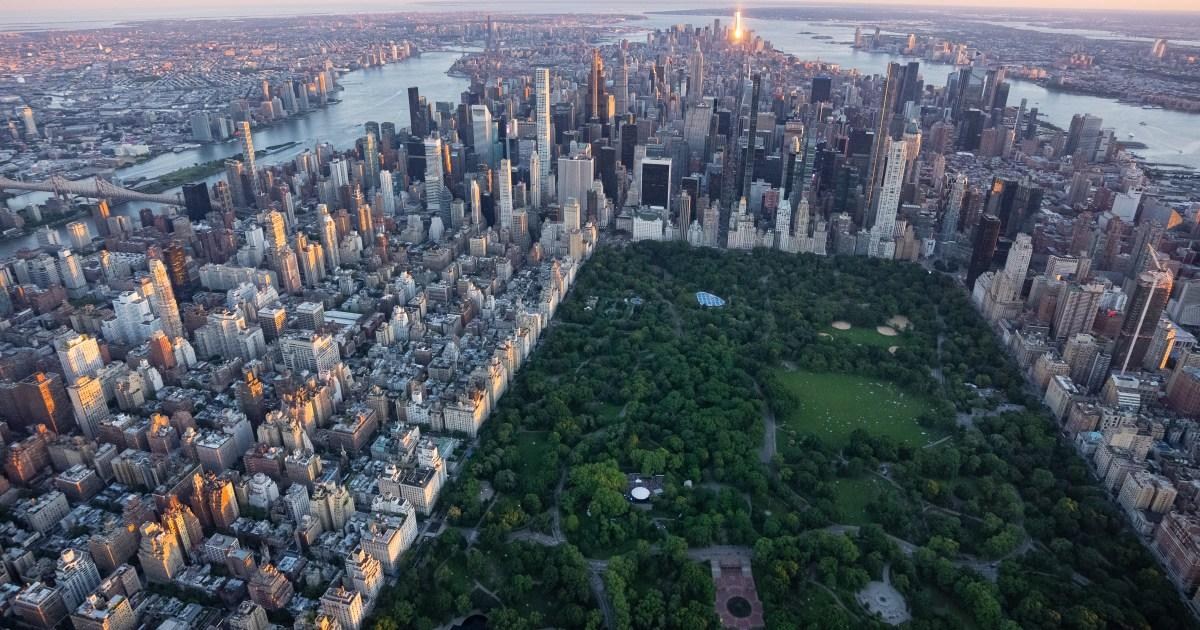
The carriage tour of Central Park dates back to 1858 (Picture: Getty Images) For more than 150 years, they have been part of the New York City landscape. Hailed as romantic fixtures of the Manhattan experience, for generations, visitors and locals alike have flocked to take horse-drawn carriage rides through the heart of the Big Apple. Soon, however, the familiar clip-clop will fade into history. That’s because under a landmark agreement, New York City is moving to outlaw the multi-million-dollar industry. The bill, which will bring an end to the centuries-old tradition by June 2028, has been named after Romanch Mahajan, an 18-year-old tourist who died in a carriage accident in June 2026. About 200 horses work in Central Park, but the practice has long been criticised by animal rights organisations, especially during extreme weather (Picture: Getty Images) Announcing ‘Romach’s Law’ on X, New York Mayor Zohran Mamdani pledged that his administration would work to ensure workers and owners are protected, and the horses remain safe. The legislation has secured a veto-proof majority with 29 of 51 Council members backing it ahead of a scheduled floor vote on October 22. If passed, the law will implement a phased ban, culminating in a complete prohibition of all horse-drawn carriage operations by June 1, 2028. This is not the first time a New York City mayor has pushed to end the carriage trade. Ask Metro Use AI to go deeper into the stories you care about – powered by Metro and trusted publications. As a candidate in 2013, former Mayor Bill de Blasio famously vowed to rid Central Park of the carriages on the first day of his administration. However, by 2016, it had failed to come to fruition following a breakdown of union negotiations. Now, under Mayor Mamdani, the movement has returned, setting the stage for what previous administrations tried, and failed, to accomplish. How do you feel about New York outlawing horse-drawn carriages? It's a great move to protect animal welfare.Check I think it's unfortunate as they are iconic to NYC.Check I'm indifferent; other priorities should come first.Check Sign up to The Getaway Expert, your exclusive seven-day guide to travelling with confidence from Metro's travel editor, Alice Murphy. How do people feel about the change? The move has divided opinion. While animal rights activists welcome it, others say it marks the end of an iconic New York institution. Responding to Mayor Mamdani’s X post, PETA (People for the Ethical Treatment of Animals) wrote, ‘Thank you, Mayor Mamdani. We are looking forward to celebrating the end of this cruel industry that’s caused harm and claimed lives.’ Others agreed, sharing concern about heat exhaustion, confined stalls, and poor working conditions for the animals. In June this year, a horse named Deniz died after eating a toxic Japanese yew shrub during a ride. Videos and photos of Deniz lying on the street quickly spread across social media, sparking public grief and anger. The incident amplified long-standing arguments from animal welfare groups. Former congresswoman Susan Wild (@wildforcongress) also responded to the mayor, saying, ‘Thank you. No other mayor has had the courage to do this.’ Additionally, while some residents noted that it may be a letdown for tourists, many praised Mayor Mamdani for looking after the horses’ welfare. But not everyone was as supportive. ‘Another piece of New York City’s history being erased. What a shame,’ said @clownworld, while @JayTC53 added, ‘You are destroying New York City. The horse carriages are an ICONIC piece of NYC. What are you going to replace them with goats??’ Furthermore, @julietimetravel accused the mayor of ‘dismantling New York City,’ while others raised concerns about the job losses for those who work with the horses, and the impact on tourism. Others argued that this was a low priority, and that Mayor Mamdani should focus on issues such as homelessness and poverty instead. What will happen to the horses and workers? Beyond the cultural debate, the policy has drawn anger from labour leaders. The agreement will require the city to establish a comprehensive workforce transition plan by April 2027 to help displaced workers find new employment and provide compensation for their medallion and horses. But union leaders, including TWU (Transport Workers Union) International President John Samuelsen, strongly criticised the city’s ‘weak’ transition and workforce plans. Samuelsen denounced the bill as having ‘no meaningful economic relief for workers.’ Calling the situation ‘reprehensible,’ he accused Mayor Mamdani of ‘political opportunism.’ Our Top Shopping Picks My skin always suffers when the heating goes on but this serum changed that The skincare formula that finally took the guesswork out of my routine Families can save up to 20% on summer 2027 holidays in Club Med's four-day sale Cold mornings are coming and this is the dressing gown I want to live in Most of us aren't getting enough fibre – this easy supplement could change that Meanwhile, questions regarding the future care, rehoming, and safety of the roughly 200 horses currently in the industry remain a pressing concern. Do you have a story you’d like to share? Get in touch by emailing MetroLifestyleTeam@metro.co.uk Arrow MORE: Who is Barbera Thornhill and why has a picture of her gone viral? Arrow MORE: 60% of voters think Trump profits ‘unethically’ from office – as state approval figures revealed Arrow MORE: Child among six killed after plane plunges into dense woodland The Getaway Expert Your exclusive seven-day guide to travelling with confidence from Metro's resident travel expert, Alice Murphy.
New York plans to ban horse-drawn carriages after more than 150 years
Full Article
Original Source
Read the full article at Metro →KhanList aggregates and links to publicly available news content. We do not host full articles from third-party sources. Always verify important information with original sources.