
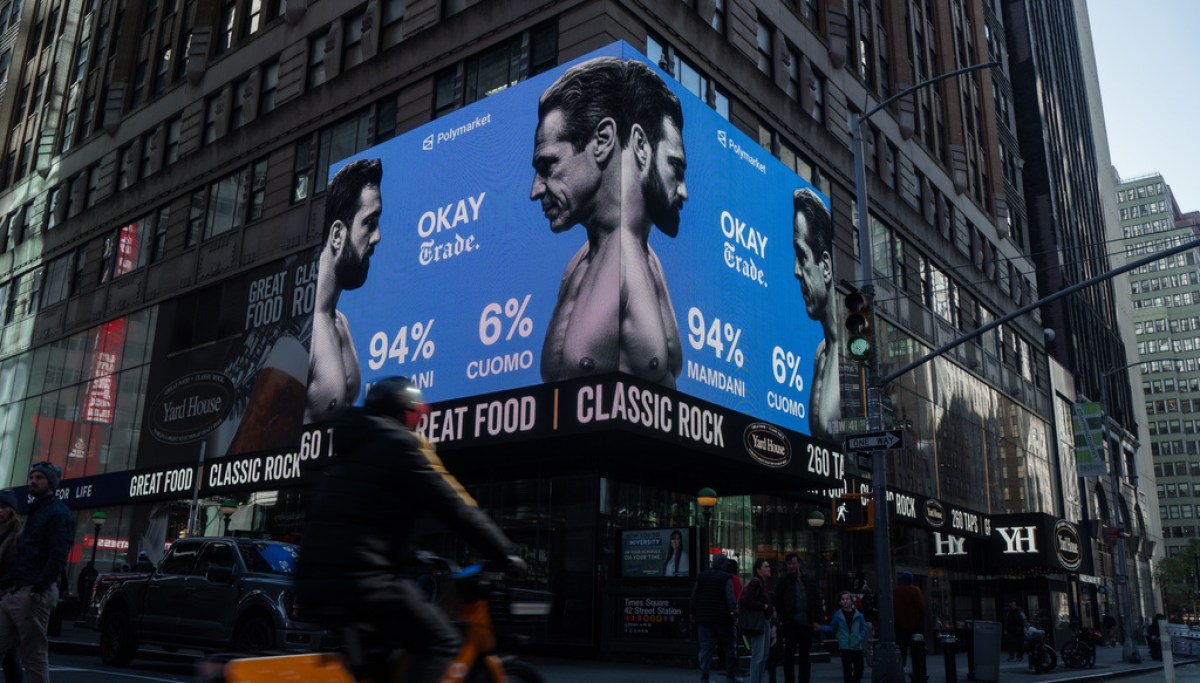
New York lawmakers are considering a proposal that would allow prediction market operators to continue doing business in the state while subjecting them to new taxes and consumer protections, potentially creating a new revenue stream for universal pre-kindergarten.Democratic state Sen. Jeremy Cooney introduced the Fairness, User Transparency, Universal Pre-Kindergarten, and Responsible Exchange Safeguards Act, known as the FUTURES Act, on Monday. The legislation would impose a 10% tax on prediction market operators’ trading fee revenue generated in New York, with proceeds directed toward universal pre-K programs across the state.The proposal comes as prediction market companies face legal challenges from New York officials, who argue that platforms such as Kalshi and Polymarket are operating illegal gambling businesses without the licenses required under state law. Cooney framed the legislation as an effort to ensure the rapidly growing industry contributes to public services rather than operating outside the state’s regulatory framework.“I’m placing a bet on the future of UPK in New York,” Cooney said. “We are the financial center of the world, and our state must lead when it comes to ensuring prediction markets reinvest in our communities and meet our high consumer protection standards.”The bill would establish a regulatory framework for prediction markets, including requirements aimed at improving user transparency and protecting consumers. It also seeks to prohibit insider trading and address election-related misconduct involving prediction market platforms.The legislation would give New York a way to collect revenue from an industry that has increasingly drawn scrutiny over whether its event-based contracts constitute financial derivatives or unlicensed gambling.New York Attorney General Letitia James has pursued separate lawsuits against Kalshi and Polymarket, arguing that their platforms allow customers to wager money on uncertain outcomes without obtaining state gambling licenses.James sued Kalshi in July, alleging that the company was operating an illegal gambling business by offering contracts tied to sporting events, elections, politics, and other outcomes.Kalshi has challenged the state’s authority, arguing that its contracts fall under the exclusive regulatory jurisdiction of the Commodity Futures Trading Commission rather than state gambling regulators. The dispute has become part of a broader national fight over whether federal commodities law preempts state restrictions on prediction markets.A federal judge rejected Kalshi’s request for an injunction blocking New York regulators from enforcing state gambling laws in July. The company appealed that decision, but the litigation has continued on multiple fronts.Against the backdrop of the litigation, New York City officials are conducting a separate investigation into the companies’ marketing practices. On Tuesday, City Council Speaker Julie Menin released preliminary findings from an inquiry into Kalshi, Polymarket, Coinbase, and other prediction market platforms, raising concerns about advertising aimed at young consumers and the financial losses experienced by individual users.JOSH SHAPIRO CALLS TRUMP ‘PROFOUNDLY AND PATHETICALLY WEAK’ ON WORLD STAGE, LAYS OUT DEMOCRATIC VISION FOR 2028The City Council said Kalshi provided data showing that individual New York City users lost approximately $52.5 million between Jan. 1 and Nov. 1, while institutional users recorded substantial net gains. Investigators also identified marketing practices they said resembled traditional gambling promotions, including sign-up bonuses, celebrity endorsements, and advertisements connecting trading to sports and social activities.The council has scheduled an oversight hearing for Dec. 14 and asked executives from the companies to testify.
New York looks to legalize prediction markets if state can impose gambling tax
Full Article
Original Source
Read the full article at Washingtonexaminer →KhanList aggregates and links to publicly available news content. We do not host full articles from third-party sources. Always verify important information with original sources.