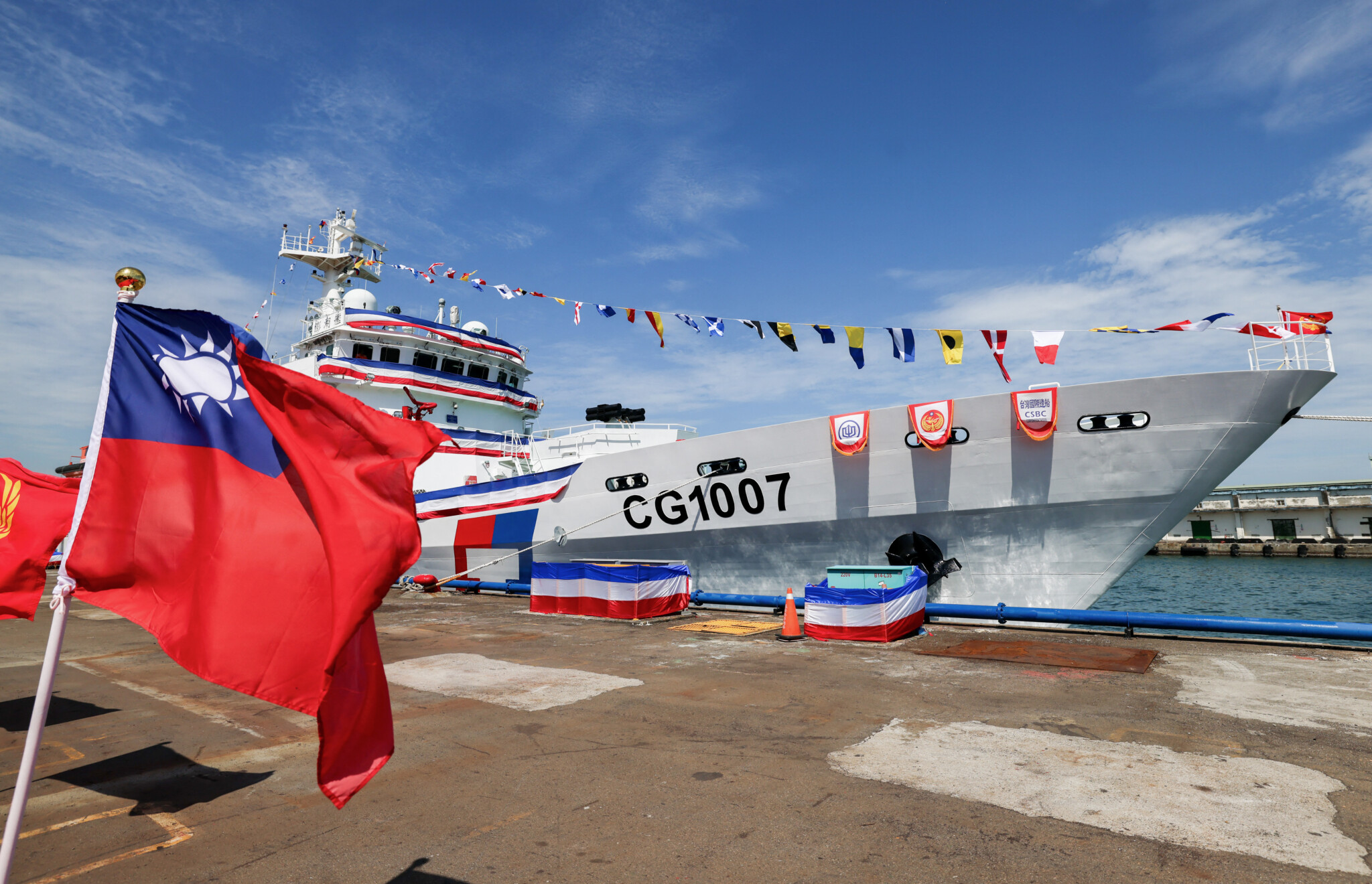
Taiwan is stepping up its preparations to counter a possible Chinese sea-based blockade. On July 28, Taiwan’s Ministry of National Defense announced that it would integrate counter-blockade and quarantine exercises into its annual Han Kuang defense drills. The exercises, which are set to run from August 5 to 14, will feature the deployment of the armed forces, coast guard, and private-sector participants across the island. The exercises will effectively couple the island’s resilience efforts with counter cross-strait invasion drills to develop a full-spectrum deterrence model against rising Chinese coercion. Resilience Exercises Will Lead Into Annual Military Drills The initial exercises will focus on countering a Chinese maritime interruption of key imports to the island, including escorting commercial shipping, rerouting critical supplies via alternate sea lanes, and managing stockpiles. The exercises will also feature enhanced cooperation between law enforcement, military, and civilian personnel. Taiwan’s naval and coast guard forces will practice strait protection, at-sea transfers of critical materials, and countering Beijing’s efforts to sever the island’s sea lines of communication, while military and civilian officials will work to safeguard critical infrastructure. These drills will transition into Taiwan’s annual Han Kuang defense exercises during the first weeks of August, which have historically focused on countering an amphibious cross-strait invasion but have recently expanded to practicing urban defense and resilience. Along with military drills, this year’s iteration will feature simulated disruptions to the island’s telecommunications systems, the relocation of weapons production under combat conditions, and counter-drone warfare exercises. The drills will also test Taiwan’s brigade-level mobilization system, with more than 5,000 reservists called up across the entire length of the exercises. China Ramps Up Maritime Pressure The expanded drills follow China’s increased maritime coercion of the island over the past two months. Chinese coast guard vessels have increased patrols in Taiwan’s eastern waters since June, with state media reporting that four Chinese vessels had inspected 198 ships over the past month. This marks a notable shift from much of China’s typical maritime activity, which is primarily concentrated along the Taiwan Strait and the island’s western approaches. However, the transition aligns with the Chinese military’s previously announced goal during its last major exercise cycle in December to achieve “all-dimensional deterrence outside the island chain,” a reference to cutting off the island from the broader Pacific. The increased presence, combined with possible mapping activity of undersea communication cables connecting Taiwan to Japan and the Philippines, also aligns with Beijing’s efforts to divide Tokyo and Manila as they continue working toward harmonizing their regional maritime claims. Likewise, the drills will build on Taiwan’s recent efforts to enhance its energy resilience. Taiwan has sought to diversify its sources of liquefied natural gas — a key source of baseload power for its grid — away from vulnerable chokepoints by purchasing more from the United States and Australia, which are major suppliers in the region. In March, Taiwan also announced plans to restart its civilian nuclear program by the end of 2029, providing a further source of domestic energy generation while strengthening commercial ties between Taipei and Washington. Washington and Taipei Should Cooperate To Enhance Resilience Taiwan’s expanded drills will allow Taipei to practice for the most likely scenario that the island may face — a concentrated Chinese maritime blockade or quarantine — alongside preparing to counter a full-scale cross-strait invasion. These exercises will also allow Taipei to stress-test its planning against documented Chinese coercion, providing a more realistic training environment for both its armed forces and civilian officials. The United States can further support Taiwan’s resilience efforts by working with Taipei and its regional partners to practice escort and convoy operations, establish maritime corridors and outreach channels to commercial shipping, and safeguard critical infrastructure from Chinese cyber intrusions. Jack Burnham is a senior research analyst in the China Program at the Foundation for Defense of Democracies (FDD). For more analysis from Jack and FDD, please subscribe HERE. Follow FDD on X @FDD. Follow Jack on X @JackBurnham802. FDD is a Washington, DC-based, nonpartisan research institute focusing on national security and foreign policy.
New Taiwanese Drills Seek To Enhance Maritime Resilience Against Chinese Coercion
Full Article
Original Source
Read the full article at Fdd →KhanList aggregates and links to publicly available news content. We do not host full articles from third-party sources. Always verify important information with original sources.