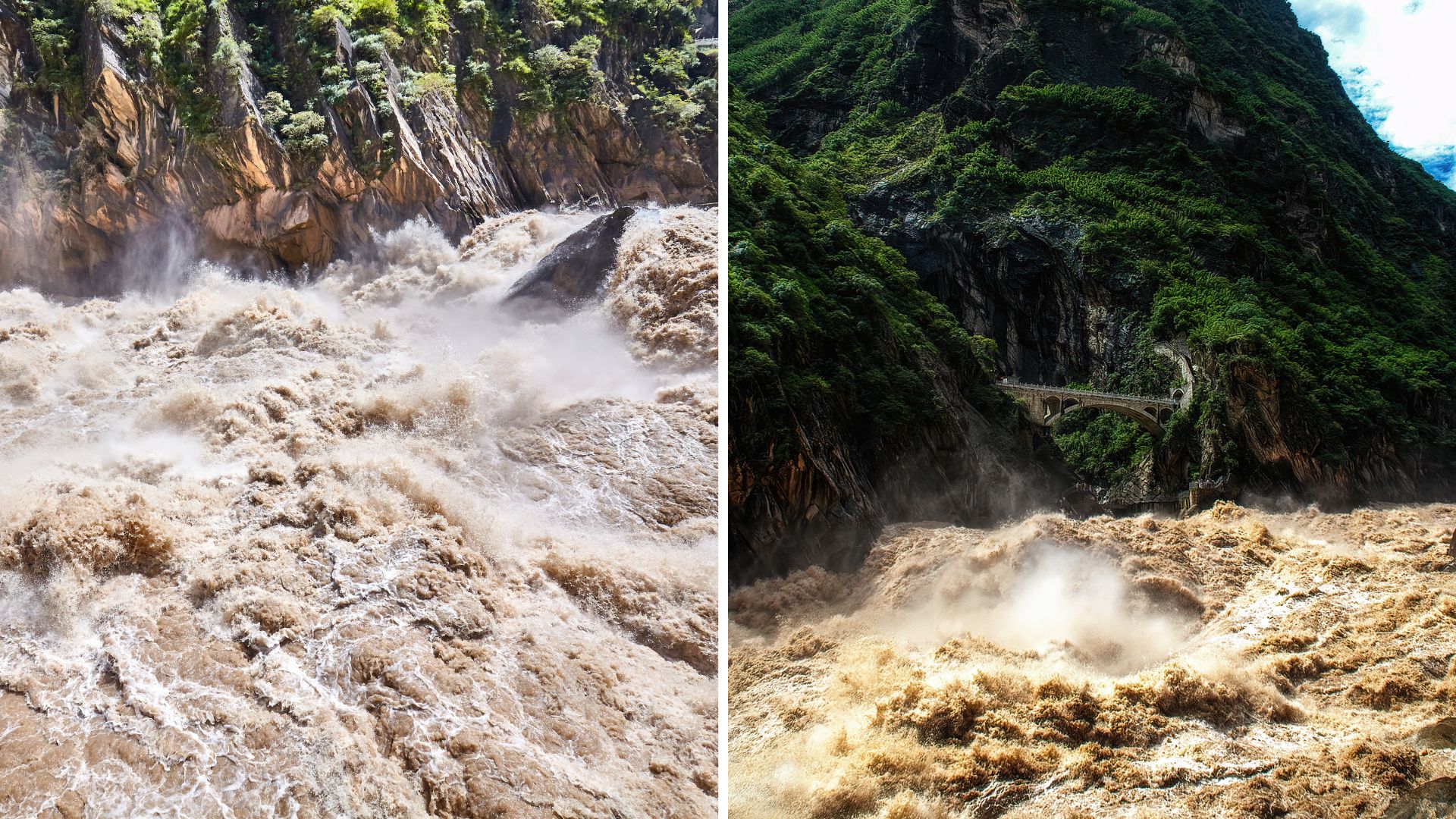
A new study has looked at historic flooding of the Yangtze River and concluded that human attempts to temper flood risks may have actually made things worse. From ancient dykes to modern dams and floodgates, the team has concluded that, overall, these may have made flood events more devastating. The core idea is deceptively simple: if you squeeze a river into a narrower space, the same volume of floodwater has fewer places to go. The result is that flood events, when they occur, can be amplified rather than dampened. Historically, when the Yangtze flooded, water spread into surrounding floodplains, lakes and wetlands. Locally, this was clearly bad news, but those areas acted like enormous temporary storage tanks. In other words, they absorbed water, slowed it down and released it gradually. In response, people then built embankments, drained lakes and reclaimed floodplains for farming and development. That protected those particular areas from ordinary floods, but the team claims, removed much of the river system’s overflow capacity. To support their claims, the international team, led by Yu Shiyong of Jiangsu Normal University, looked at flood events over the last 500 years as the core of their study. They combined sediment archives, historical reports, and high-resolution climate reanalysis data to reconstruct the size and scale of historic floods along the river. Did humans make Yangtze floods worse? They found that embankment construction increased the estimated magnitude of a 100-year flood by about 18%, while lake enclosure and reclamation increased it by about 8%. A “100-year flood” does not mean one flood every 100 years. It means a flood of that size has historically had roughly a 1% chance in any given year. But, you may well wonder, aren’t dams and levees supposed to prevent this? In short, they do, for smaller, more frequent flooding events. But the team argues that measures intended to control flooding can amplify the peak discharge of rare, extreme events. Another problem human measures like dams and levees seem to have created, the team argues, is a perception of safety. With them in place, locals feel more secure in living in flood plains and will build houses, factories, etc, in places where they otherwise wouldn’t. Termed the “levee effect,” when an extreme flood eventually overtops or exceeds those defences, the resulting damage can be much greater because more people and assets are now exposed. So what can be done? The team argues that a more hybrid water management system might be better going forward. Rather than removing dams and levees, etc, they argue for strengthening defenses where needed, especially near large population centers. They also argue that lakes and wetlands should be reconnected to rivers, and floodplains should be restored and preserved to act as natural flood absorbers. The team also suggests setting up controlled areas that can act as artificial floodplains, and restoring forests and wetlands upstream to slow rain runoff into rivers. Nature knows best “The core idea is not to eliminate floods, but to allow them to accumulate, divert and be released slowly in a predictable, controllable and minimally damaging space,” Lead author Yu Shiyong said in an interview. “An ideal flood control system for the Yangtze River should be a robust river and lake ecosystem with self-adjusting capabilities, rather than relying solely on ever-rising dykes,” he added. “Truly modern water management is about scientifically determining which areas must be protected, which areas should be left flood-prone, and when to store water and release it, while ensuring that the costs and benefits are shared fairly,” Yu added. You can view the study for yourself in the journal Proceedings of the National Academy of Sciences of the United States of America. Recommended ArticlesGet the latest in engineering, tech, space & science - delivered daily to your inbox.Christopher graduated from Cardiff University in 2004 with a Masters Degree in Geology. Since then, he has worked exclusively within the Built Environment, Occupational Health and Safety and Environmental Consultancy industries. He is a qualified and accredited Energy Consultant, Green Deal Assessor and Practitioner member of IEMA. Chris’s main interests range from Science and Engineering, Military and Ancient History to Politics and Philosophy.
New study claims that flood defenses may have made Yangtze floods more dangerous
Full Article
Original Source
Read the full article at Interestingengineering →KhanList aggregates and links to publicly available news content. We do not host full articles from third-party sources. Always verify important information with original sources.