
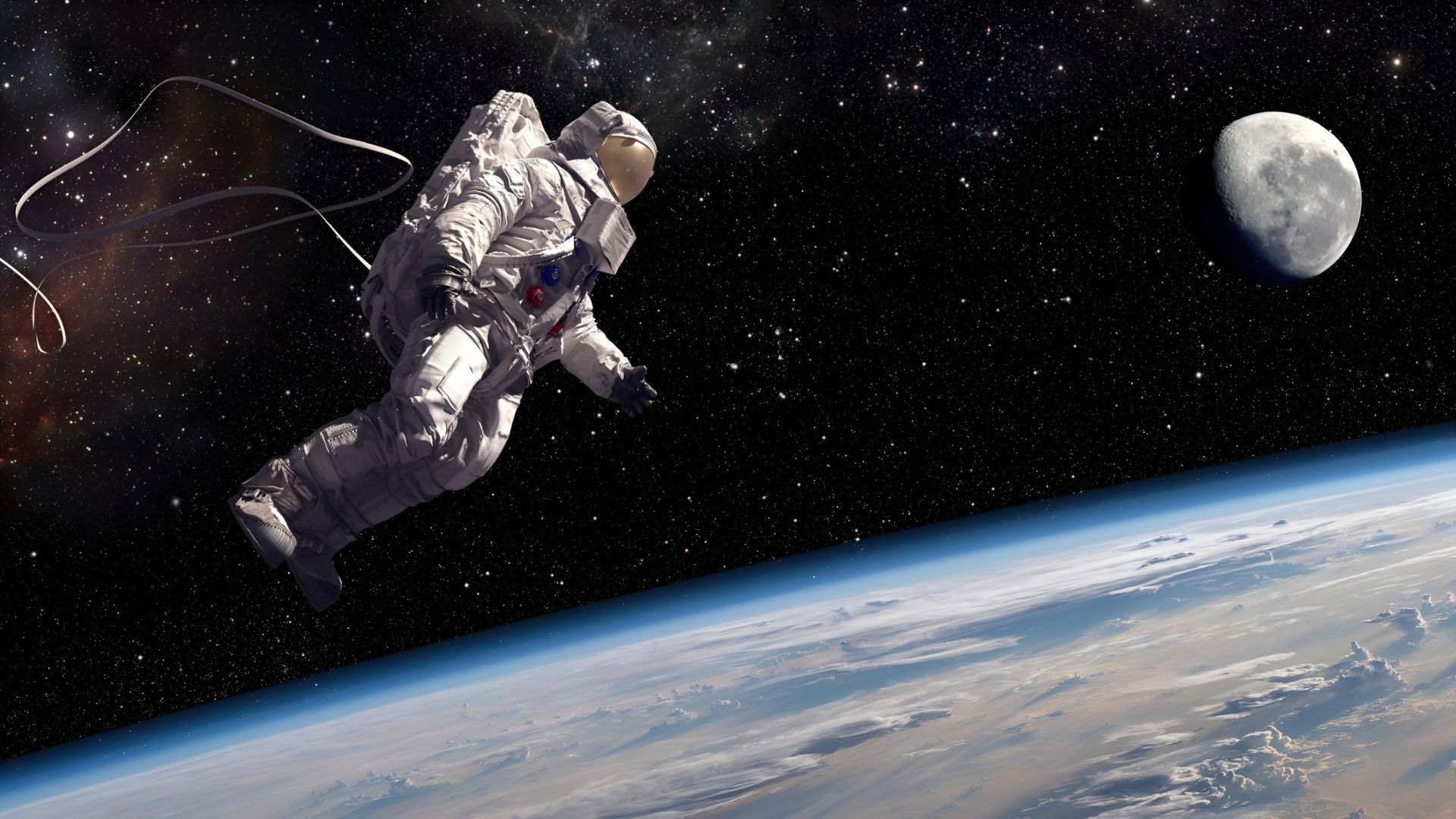
Space debris can strike spacecraft at speeds exceeding 16,000 mph, posing a serious threat to astronauts during spacewalks. Atomic-6 is investigating whether its satellite shielding technology could offer additional protection against these high-speed impacts. The company’s Space Armor® composite shield recently underwent testing at Texas A&M University’s Hypervelocity Impact Laboratory. A simulated torso behind the material showed no visible damage after a projectile struck at approximately 16,100 mph. A comparison using a solid aluminum plate produced a different outcome. Fragments became embedded in the simulated torso, demonstrating another hazard associated with high-speed impacts. Testing at extreme speeds Engineers fired a 3-millimeter aluminum sphere at two shielding configurations. The projectile traveled at approximately 7.2 kilometers per second, equivalent to 16,100 mph. Atomic-6 first placed a hexagonal Space Armor® Lite tile ahead of a transparent ballistic torso. Georgia-based Ballistic Dummy Lab supplied the model, which contained simulated soft tissue and skeletal structures. Post-impact inspections revealed no visible penetration or damage to the torso. The composite tile also showed no apparent cracking or bulging along its rear surface. For comparison, engineers substituted a 4-millimeter-thick solid aluminum plate. Both configurations maintained identical impact angles, spacing, and mounting arrangements. The aluminum plate produced fragments that became embedded in the simulated torso. This demonstrated a phenomenon known as rear-face spalling. Spalling occurs when an incoming projectile causes material to break away from a shield’s rear surface. Those fragments can travel toward the person or equipment behind it. Atomic-6 selected the aluminum plate’s thickness using NASA ballistic-limit equations. Engineers use these calculations to estimate whether shielding can withstand projectiles of particular sizes and speeds. The experiment did not compare complete spacesuits or traditional Whipple shields. The latter use separated bumper and rear-wall layers to disperse incoming debris. Could astronauts wear it? Space Armor® was originally developed to protect satellites against micrometeoroids and orbital debris (MMOD). Atomic-6 is now exploring whether its modular composite tiles could also protect astronauts during spacewalks. The Space Armor® Lite tile weighs approximately 31 pounds per square meter (14 kilograms per square meter). Its potential use in spacesuits will require considerable additional engineering. Former International Space Station commander Chris Hadfield, an Atomic-6 advisory board member, described the initial findings as encouraging. He noted that orbital debris remains a persistent concern during spacewalks. Atomic-6 CEO Trevor Smith also sees astronaut protection as a potential extension of the technology. The company originally designed Space Armor® to shield spacecraft from high-speed debris. Significant challenges remain before the material could enter spacesuit development. Researchers used a stationary ballistic torso without a functioning spacesuit, pressure garment, or life-support equipment. Consequently, the experiment cannot establish whether the material prevents injuries or maintains suit pressure during an actual impact. Its performance under real space conditions also remains unknown. Atomic-6 plans additional experiments involving curved shields and different impact angles. These configurations should better represent an astronaut’s chest or shoulder. Engineers must also examine attachment systems, mobility, and pressure retention. Thermal-vacuum testing will be necessary to evaluate a potential spacesuit application. Space Armor® recently completed its first spaceflight aboard Portal Space Systems’ Starburst-1 spacecraft. A SpaceX Falcon 9 rocket carried it during the Bandwagon-5 rideshare mission last month. That flight marked a milestone for the satellite shielding technology. Its potential role in astronaut protection will depend on the results of further testing. Get the latest in engineering, tech, space & science - delivered daily to your inbox.Aamir is a seasoned tech journalist with experience at Exhibit Magazine, Republic World, and PR Newswire. With a deep love for all things tech and science, he has spent years decoding the latest innovations and exploring how they shape industries, lifestyles, and the future of humanity.
New space armor takes on 16,100-mph debris hits to shield astronauts during spacewalks
Full Article
Original Source
Read the full article at Interestingengineering →KhanList aggregates and links to publicly available news content. We do not host full articles from third-party sources. Always verify important information with original sources.