
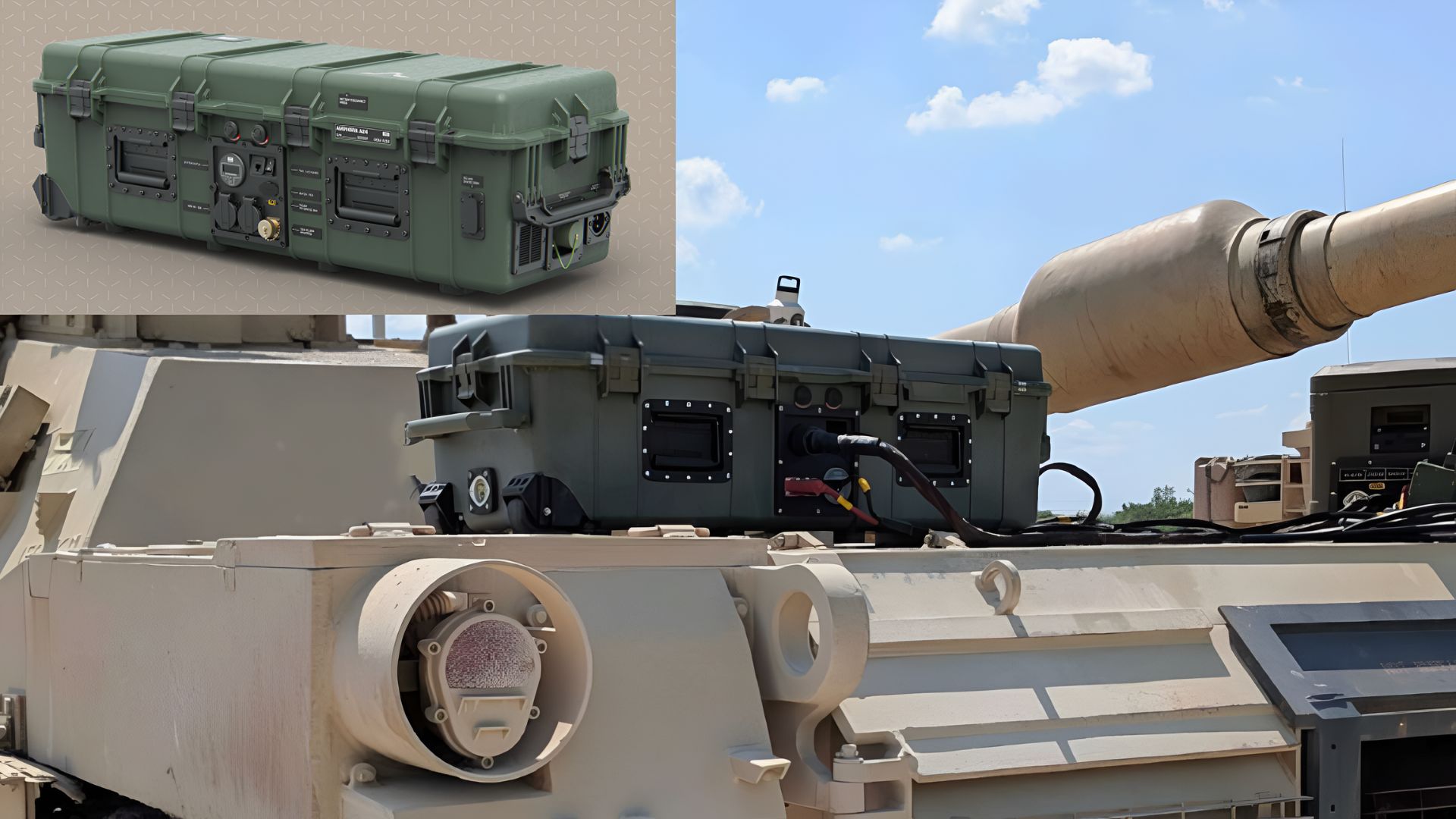
Chariot Defense has won a $7.6 million Defense Innovation Unit contract to deploy its software-defined power systems with U.S. Army brigades. The deployment will put the company’s Amphora systems into the field this fall under the Portable Resilient Integrated Storage Module program. Modern military equipment increasingly depends on electricity. Drones, electronic warfare systems and edge computing hardware now compete for limited power supplies. Soldiers also cannot always rely on fixed infrastructure or continuous generator use. Chariot’s Amphora system aims to manage the energy already available to a deployed unit. Software takes control Amphora acts as an intelligent control layer between power sources and battlefield equipment. It can connect with tactical generators, solar arrays, and military vehicles. Software then manages how electricity moves between those sources and connected equipment. The system works more like a power management computer than a conventional battery pack. The platform can move energy in both directions and route available power where it is needed. Chariot designed it to work with existing military hardware. Amphora also collects energy data for command and control networks. That could give commanders a clearer picture of how deployed units produce and consume electricity. Adam Warmoth, Chariot Defense’s founder and CEO, said power constraints increasingly affect which technologies soldiers can operate. A shortage could force units to decide which systems remain online. “Power availability decides what equipment troops get to bring to the fight,” Warmoth said. Less generator time Fuel-powered generators remain a major source of battlefield electricity. They also require regular fuel deliveries and produce heat and noise during operation. Chariot says Amphora can reduce fuel consumption by up to 60 percent in combat scenarios. The company also claims the system can support silent operations for up to 36 hours. That could reduce the need for generators when their acoustic and thermal signatures create operational risks. Stored energy and alternative sources could support equipment under software control. The system essentially brings disconnected energy sources into one managed network. That becomes increasingly important as military units field more electrically demanding technology. Drones need charging infrastructure, while electronic warfare systems require sustained power. Edge computing adds another source of demand. Power at the tactical edge The PRISM program will test whether Chariot can bring those energy resources under a single management architecture. The contract carries a 12-month delivery timeline, with brigade deployments scheduled for this fall. Founded in August 2024, Chariot has raised $41 million in venture funding. Andreessen Horowitz led its $34 million Series A. Warmoth previously worked at Anduril Industries, where he helped scale counter-drone programs. Chariot now focuses on a less visible part of the defense technology stack. The company does not build drones or electronic warfare systems. Instead, it is developing the power infrastructure needed to keep those technologies running. As military operations become more dependent on connected systems, electricity itself becomes a tactical resource. The Army’s upcoming deployment will test whether software-defined power management can make that resource more efficient at the tactical edge.Get the latest in engineering, tech, space & science - delivered daily to your inbox.Aamir is a seasoned tech journalist with experience at Exhibit Magazine, Republic World, and PR Newswire. With a deep love for all things tech and science, he has spent years decoding the latest innovations and exploring how they shape industries, lifestyles, and the future of humanity.
New software-defined power system delivers up to 60% lower military fuel use
Full Article
Original Source
Read the full article at Interestingengineering →KhanList aggregates and links to publicly available news content. We do not host full articles from third-party sources. Always verify important information with original sources.