
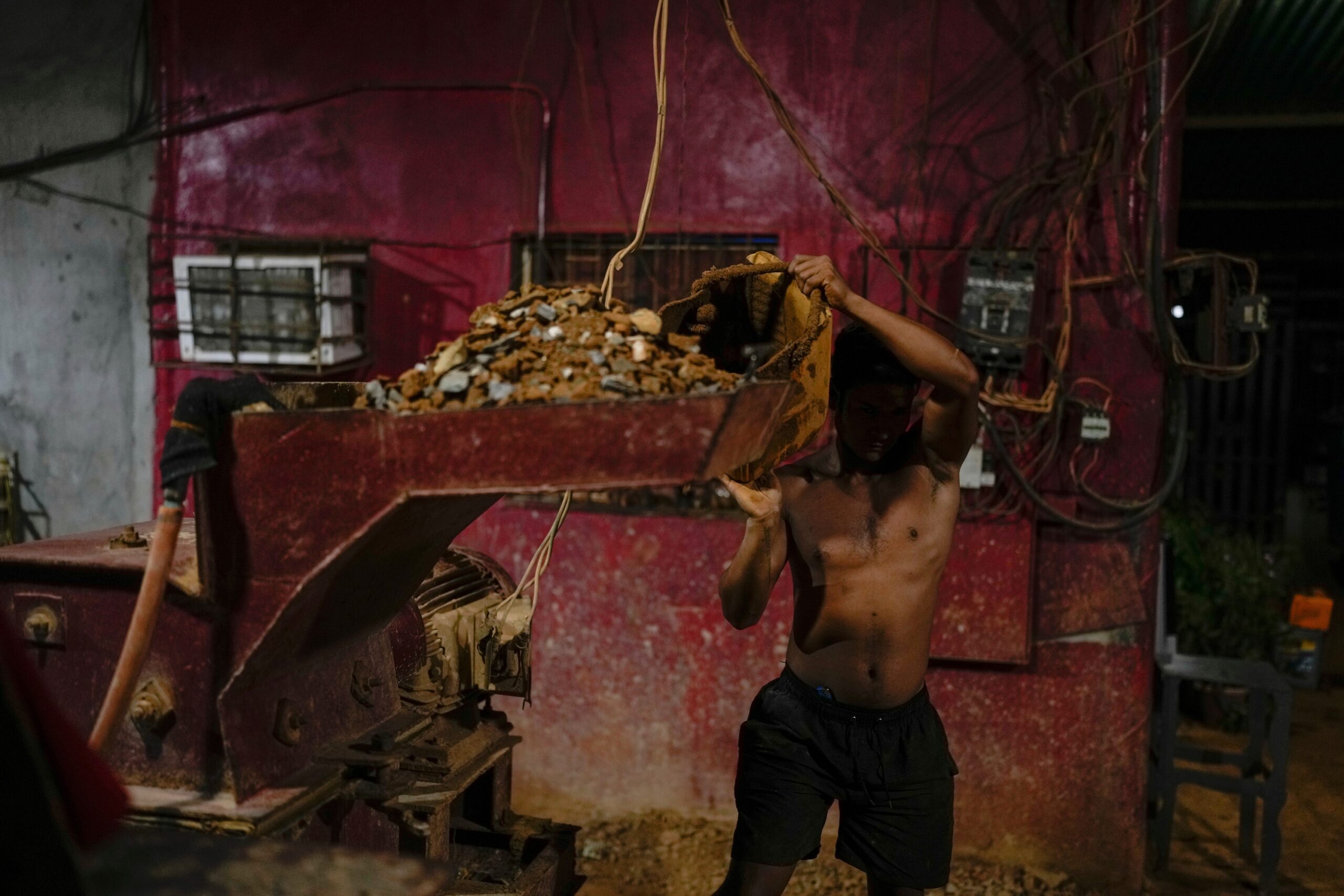
New mapping by Amazon Underworld finds that criminal networks or armed groups operate in nearly three-fifths of Amazon municipalities across the six countries surveyed, which include Bolivia, Brazil, Colombia, Ecuador, Peru and Venezuela. Of the 1,310 municipalities examined, researchers found illicit actors in 768 of them, or 59%. Colombia had the highest proportion of affected municipalities (98%), followed by Venezuela (82%), Brazil and Ecuador (59% each), Peru (34%) and Bolivia (31%). The report also identifies increasingly interconnected criminal operations crossing international boundaries, such as Brazil’s Comando Vermelho, which is now present in almost 500 municipalities, including in Bolivia and Peru. Eight armed groups are present in 99 municipalities in the Colombian Amazon. About 78% of the country’s rural population, nearly 10 million people, “live under the influence of at least” one non-state armed group, according to Humanitarian Action. “One of our main concerns is how organized crime instrumentalizes local communities,” report author Bram Ebus, founder of Amazon Underworld and International Crisis Group consultant, told Mongabay over WhatsApp messages. “Groups extort them. They also use them, often under coercion, as human shields to protect illicit economies and obstruct state interventions. This leaves communities exposed to violent repression by state forces as well.” According to the report, gold has overtaken cocaine as the Amazon’s most lucrative criminal industry. “This shift has accelerated environmental destruction through deforestation and mercury contamination,” Ebus said. As rival groups battle for territorial control, local populations, especially Indigenous communities, bear the brunt of escalating violence. Ebus said such territorial conflicts have “driven up violence, as groups compete for access to mining areas and kill those who oppose them, including Indigenous community defenders.” Locals who work in illicit economies such as gold mining, coca leaf picking and recruitment into armed groups can make far more money than they can from traditional legal economies, the report notes. While gold and cocaine are the dominant illegal industries in the Amazon, the report found there is also growing criminal involvement in critical minerals, including tin, tungsten and coltan, particularly in Brazil, Colombia and Venezuela. According to the report, a regional shift toward right-wing governments has brought a wave of militarized crackdowns on the cartels but that approach fails to address the systemic economic and political roots of organized crime in the Amazon. “Unless the social drivers of crime are addressed, that approach offers no guarantee of success,” Bram said. “People already feel abandoned by the state, and bombing the criminal groups that provide their livelihoods will only deepen that sense.” The report warns that these interventions can push criminal groups into new territories, undermine community trust and leave corruption and illicit financial networks intact. According to Bram, “smarter responses would target the financial flows behind illicit economies, invest in a more permanent state presence and pair law enforcement with investment in development and education.” Banner image: Marcovich Gonzalez loads ore into a crushing machine at a processing mill in El Callao, Venezuela. Image by AP Photo/Matias Delacroix. Credits Topics
New report maps widespread criminal presence across six Amazonian countries
Full Article
Original Source
Read the full article at News →KhanList aggregates and links to publicly available news content. We do not host full articles from third-party sources. Always verify important information with original sources.