
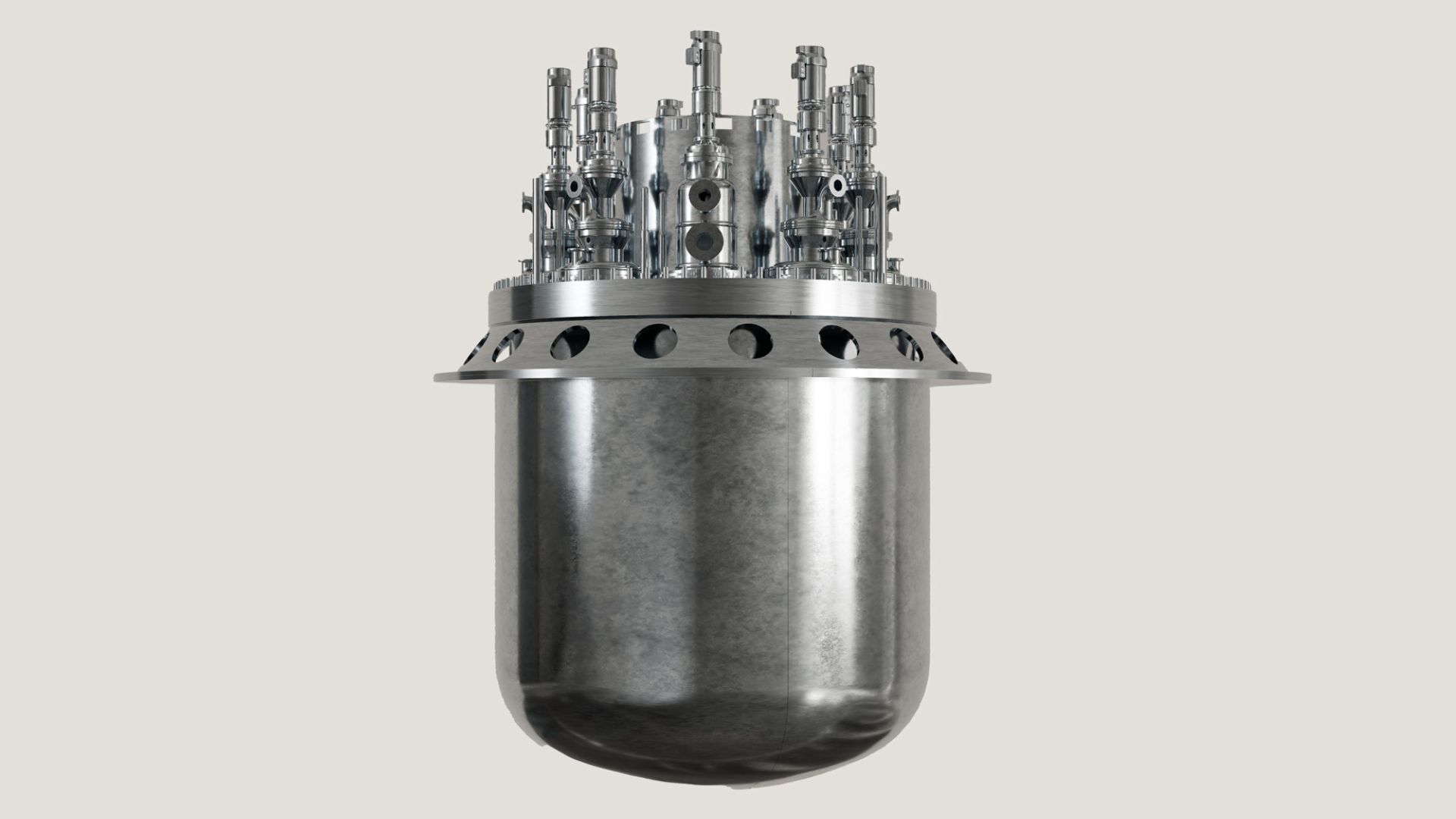
Swedish nuclear developer Blykalla has submitted an application to the government to build an eight-unit power station in Tierp municipality. If approved, the proposed facility at Untra will supply up to 440 megawatts of electricity using small modular reactors. The project is built around the Swedish Advanced Lead Reactor, known as SEALER. Unlike commercial light-water reactors that operate under heavy hydraulic pressure, each 55-megawatt SEALER unit uses molten lead as its primary cooling fluid. Liquid lead has a boiling point above 1,700°C. Because this threshold sits far beyond the operational temperatures of the core, the coolant cannot flash into steam. This physical characteristic eliminates internal pressure build-up, allowing the primary loop to run at normal atmospheric pressure. Consequently, the design removes the need for the thick, high-pressure steel containment vessels required by standard nuclear stations. Passive safety functions Molten lead also drives the reactor’s passive safety functions. In a total power blackout, the plant removes residual decay heat through natural convection rather than emergency electrical pumps or operator intervention. As the dense liquid metal heats up around the fuel rods, it expands and rises toward external heat exchangers, releasing its thermal energy and circulating back to the core by gravity alone. Heavy liquid metals at high temperatures have historically corroded structural reactor steels, limiting the commercial viability of lead-cooled systems. Blykalla resolves this degradation through aluminum-alloyed steels developed in Sweden. When the reactor is running, aluminum dissolved within the alloy moves toward the outer surface of the metal components. There, it reacts with controlled amounts of oxygen in the liquid lead pool. This chemical reaction forms an unbroken, self-healing aluminum oxide film across structural parts and fuel cladding. The oxide layer becomes a physical barrier, which prevents the corrosive molten lead from touching the base structural steel. Plans for US Because the reactor units have small physical profiles, complete modules can be manufactured in centralized factories and moved to inland locations by standard road and rail networks. Notably, to streamline power delivery, Blykalla is working with Hitachi Energy to build standardized electrical systems. Blykalla selected Untra because it sits in the SE3 electricity bidding zone, where Swedish power demand is highest. Placing the reactors next to existing hydropower stations on the Dalälven river creates a generation hub where baseload nuclear power pairs with adjustable hydroelectric output. The facility will connect to Svenska kraftnät’s 400 kV transmission lines, which are expanding through Tierp under the Uppsalapaketet regional grid project. The project follows a 2026 update to Swedish nuclear legislation, designed to help meet national goals of adding 2,500 MW of nuclear capacity by 2035. The eight reactors at Untra would account for roughly 18 percent of that interim target. In parallel, Blykalla plans to operate a test reactor in the United States to gather operational data before commissioning the commercial Untra plant in the early 2030s. “The company has offices in both Sweden and the United States and is planning its first nuclear demonstration reactor in the US,” concluded Blykalla in a press release. Get the latest in engineering, tech, space & science - delivered daily to your inbox.An active and versatile journalist and news editor. He has covered regular and breaking news for several leading publications and news media, including The Hindu, Economic Times, Tomorrow Makers, and many more. Aman holds expertise in politics, travel, and tech news, especially in AI, advanced algorithms, and blockchain, with a strong curiosity about all things that fall under science and tech.
New nuclear plant targets 440 MW output with 8 small lead-cooled reactors
Full Article
Original Source
Read the full article at Interestingengineering →KhanList aggregates and links to publicly available news content. We do not host full articles from third-party sources. Always verify important information with original sources.