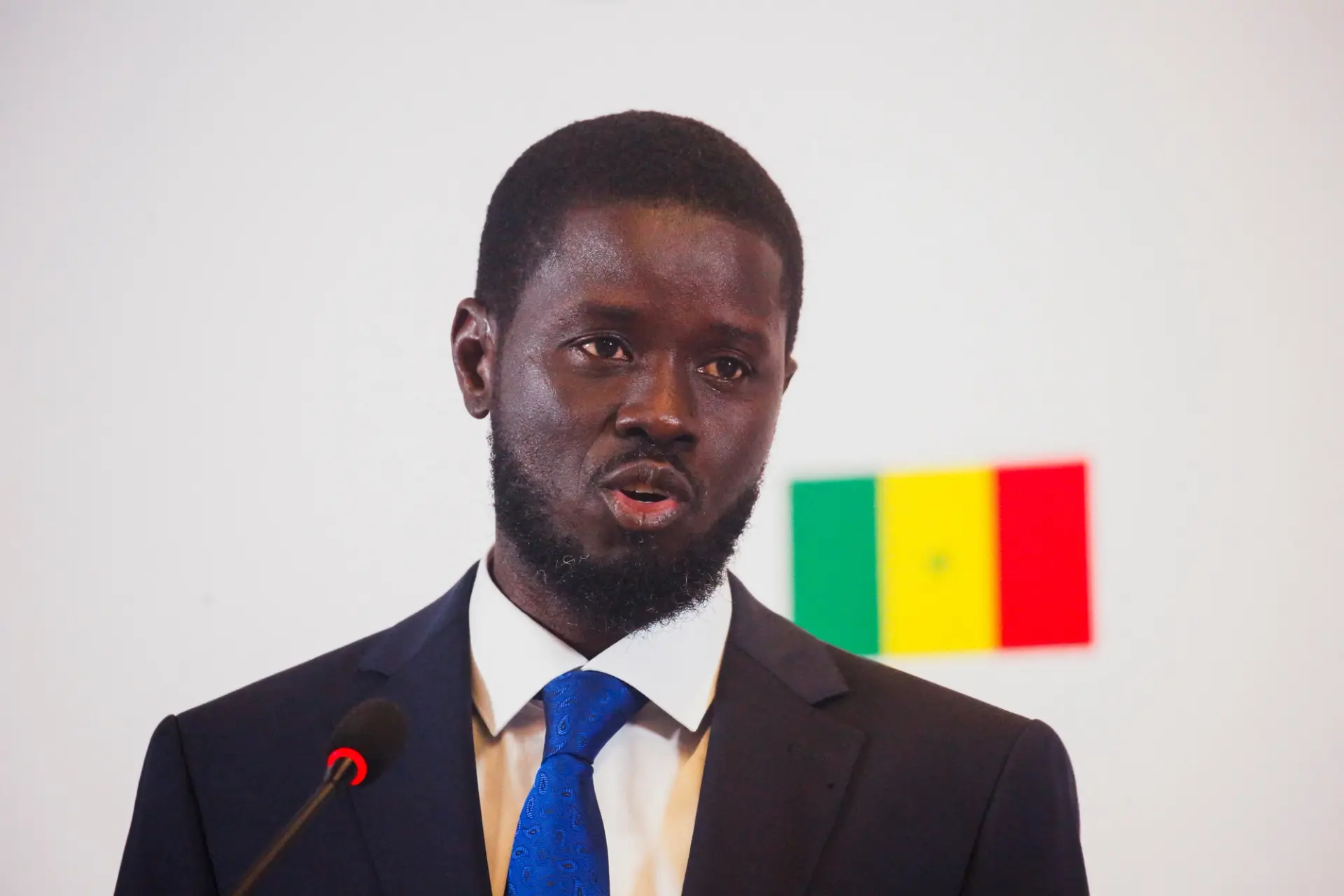
New ECOWAS Chair Visits Mali, Fuels Hope of Return to Regional Body Michael Olugbode in Abuja Just days before formally taking over the leadership of the Economic Community of West African States (ECOWAS), Senegalese President, Diomaye Faye, has embarked on a high-stakes diplomatic mission to Mali. The move is widely seen as an attempt to rebuild fractured ties between the regional bloc and the Alliance of Sahel States (AES). The visit to Bamako, coming against the backdrop of deepening divisions between ECOWAS and the military-led governments of Mali, Burkina Faso and Niger, has sparked fresh optimism that dialogue may replace confrontation in efforts to restore regional unity after months of political estrangement. Faye, who was elected Chairman of the ECOWAS Authority of Heads of State and Government during the bloc’s 69th Ordinary Summit in Abuja, takes over at a time the organisation is grappling with one of the most serious crises in its 50-year history following the withdrawal of the three Sahel countries from the regional body. His decision to make Mali one of his first diplomatic destinations has been interpreted by regional observers as a clear signal that reconciliation with the AES could become a defining priority of his tenure. During discussions with Mali’s transitional authorities in Bamako, Faye reportedly emphasised the need for continued dialogue among West African nations despite political disagreements, stressing that regional peace, security and economic integration remain common aspirations that transcend ideological differences. Although no formal announcement was made regarding a possible return of Mali to ECOWAS, diplomatic sources described the meeting as constructive and indicative of a willingness by both sides to keep communication channels open after months of strained relations. The visit comes amid mounting security threats across the Sahel, where jihadist insurgencies continue to destabilise vast territories despite efforts by national governments and regional partners to contain violence. The diplomatic outreach also reflects growing concerns that the continued separation between ECOWAS and the AES could undermine regional efforts to combat terrorism, facilitate trade, promote the free movement of persons and strengthen economic cooperation. Since assuming office as Senegal’s president, Faye has consistently advocated dialogue rather than punitive measures in dealing with the military governments in Mali, Burkina Faso and Niger. He has repeatedly argued that sustainable peace in West Africa requires engagement instead of prolonged isolation. The relationship between ECOWAS and the three countries deteriorated after a series of military coups prompted the regional bloc to impose sanctions and demand a return to constitutional rule. The juntas rejected what they described as external interference in their domestic affairs and subsequently announced their withdrawal from ECOWAS, establishing the Alliance of Sahel States as a new regional security and political alliance. The departure of the three countries dealt a significant blow to ECOWAS, removing states that occupy a vast geographical area stretching across the Sahel and complicating regional security cooperation. The visit has therefore raised expectations that Faye’s leadership could usher in a new phase of pragmatic diplomacy aimed at preventing a permanent fragmentation of West Africa at a time when the region faces escalating security, economic and humanitarian challenges.
New ECOWAS Chair Visits Mali, Fuels Hope of Return to Regional Body
Full Article
Original Source
Read the full article at Thisdaylive →KhanList aggregates and links to publicly available news content. We do not host full articles from third-party sources. Always verify important information with original sources.