
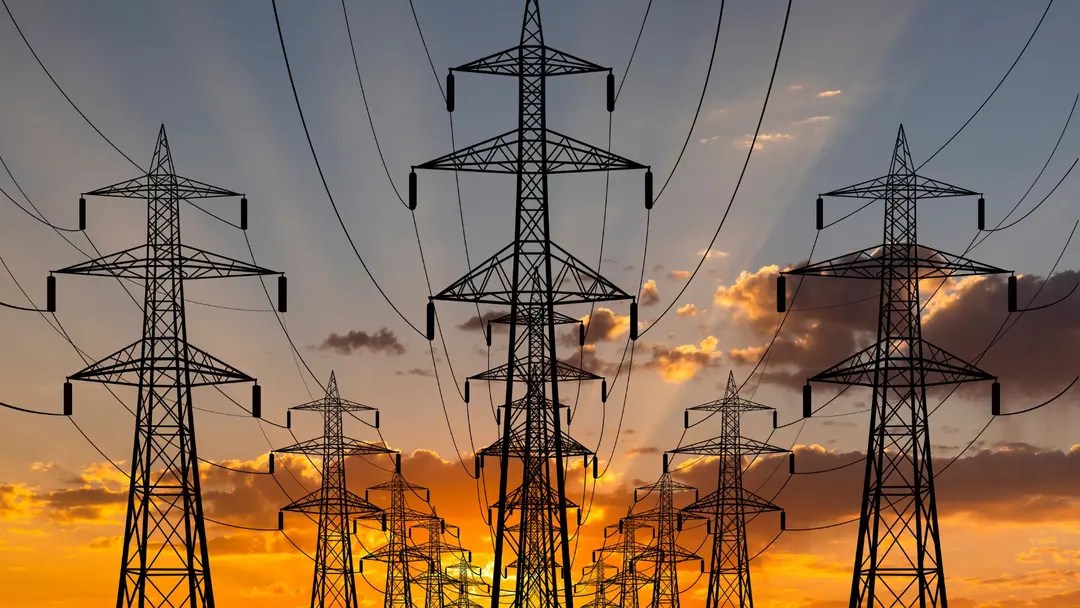
What if energy grid operators could simulate a crippling hurricane, a coordinated cyberattack, or a sudden surge in electric vehicle charging, and watch how the power grid reacts without risking a single blackout? They can. Or at least, they soon will. At Stony Brook University, researchers are building a high-tech “Digital Twin Studio” designed to create hyper-detailed, virtual clones of power distribution networks at the neighborhood scale. Led by the Center for Grid Innovation Development and Deployment (GrIDD) inside the Advanced Energy Research and Technology Center (AERTC), the project could help utilities safeguard public infrastructure. Instead of reacting to disasters after the lights go out, engineers will predict and prevent them inside a sandbox. The platform provides a safe testing ground to simulate extreme weather, cyberattacks, equipment failures, and power outages without threatening real-world critical infrastructure. Before the lights go out As climate change drives more intense weather and society shifts rapidly toward renewables and electric vehicles, the modern electrical grid faces unprecedented stress. A single rogue tree branch or localized voltage spike can trigger widespread outages. Stony Brook’s digital twin could offer a safe, real-time testing environment where AI, physics-based simulations, and live operational data intersect. With nearly $550,000 secured and another $300,000 on the way, the team is moving quickly into implementation. The goal is to deliver a fully operational, minimum viable platform by December 2026. The studio’s tech stack combines LiDAR-equipped drones for 3D canopy mapping with hardware-in-the-loop simulation to test physical equipment against virtual stress. Powered by AI predictive analytics and IoT smart-building sensors through a partnership with IotaComm, the system analyzes real-time environmental, operational, and energy data to detect hazards and optimize grid performance before failures occur. “What excites me most about the Digital Twin Studio is that it will bring research, workforce development, and industry engagement together in one place,” said Abdelrahim Brown of AERTC and GrIDD. “We are building something that students can learn from, researchers can use, and partners can help shape as the platform grows.” Real-time data The model offers a controlled setup to model power flows, demand surges, equipment failures, and cyber threats. It will use AI and IoT sensors to monitor individual devices, predict maintenance needs, and optimize energy efficiency. It could curb capital expenditure (CapEx) by helping power utilities avoid expensive “worst-case scenario” over-engineering. Supported by university innovation funds and offshore wind partners like Sunrise Wind and Ørsted, the project is investing in high-performance computing, cloud services, networking infrastructure, sensors, and a student training lab at CEWIT. Key equipment acquisitions also include backup power systems and a specialized drone equipped with LiDAR, thermal, and visual imaging capabilities, which will provide vital data for 3D modeling, infrastructure monitoring, and vegetation risk analysis.Apart from keeping the lights on, the studio acts as a training ground. Stony Brook is embedding a digital twin learning module into its CyberLearn workforce program by spring 2027, preparing the next generation of engineers to defend tomorrow’s critical infrastructure before the next storm rolls in.Get the latest in engineering, tech, space & science - delivered daily to your inbox.Mrigakshi is a science journalist who enjoys writing about space exploration, biology, and technological innovations. Her work has been featured in well-known publications including Nature India, Supercluster, The Weather Channel and Astronomy magazine. If you have pitches in mind, please do not hesitate to email her.
New digital twin studio to advance power grid research and resilience
Full Article
Original Source
Read the full article at Interestingengineering →KhanList aggregates and links to publicly available news content. We do not host full articles from third-party sources. Always verify important information with original sources.