
Some modern data centres designed to support artificial intelligence (AI) demand more electricity than is needed to power 100,000 homes, an Oireachtas committee has been told.Senior officials from EirGrid, ESB Networks, and the Commission for the Regulation of Utilities were before the Oireachtas committee on artificial intelligence on Tuesday.The committee heard that the latest projections on future demand suggest data centres will account for a median level of about 35 per cent of all the electricity demand within the State by 2035.[ ChatGPT maker OpenAI scraps release of new model over safety concernsOpens in new window ]“While conventional data centres often require between 10 and 25 megawatts of power, large AI-focused facilities can exceed 100 megawatts in demand with annual electricity consumption comparable to that of around 100,000 households,” said Jim Gannon, the commissioner for the regulation of utilities.READ MORE“As AI models continue to grow in complexity and scale, the electricity requirements of supporting their infrastructure are expected to increase correspondingly.”Gannon said many jurisdictions face similar difficulties in “balancing economic opportunity with energy security, network capacity and climate objectives”.EirGrid, which manages the main electricity supply network, and ESB Networks, which manages local distribution and connections, have no powers to limit the number of data centres connecting to the grid except in “constrained areas” where supply is an issue.The committee heard that Dublin, where almost 100 of the State’s nearly 130 data centres are located, is defined as a constrained area.However, in response to a question from People Before Profit–Solidarity TD Paul Murphy, the committee heard the organisations still work with applicants to see if new connections are possible.Latest poll numbers show neither Government nor Opposition all that popular with electorateGannon said AI presents “significant opportunities for economic growth, innovation and productivity”, but added a caveat that it also raises “important questions” about the infrastructure required to support it. “Data centres already represent a significant and growing component of Ireland’s electricity system,” he said. “Their share of national electricity consumption has increased from approximately 5 per cent in 2015 to around 23 per cent in 2025. Looking ahead, Ireland’s most recent resource adequacy assessment projects that, under its median demand scenario, data centres and other new technology loads could account for approximately 35 per cent of Ireland’s electricity requirement by 2035.”[ Letters: Owners and designers of AI agents should be held accountable by lawOpens in new window ]The committee heard ways should be found to co-locate data centres close to sources of renewable energy, outside of Dublin where possible.This process has begun to be worked on in recent years but needs to be rolled out countrywide, said Gannon.Asked why domestic consumers pay far higher rates per unit for their electricity than the owners of data centres, he replied: “We are in a liberalised market, which is regulated, but it is liberalised in line with EU law. Larger users have the ability to engage in direct negotiations with suppliers, whereas that is not the case for domestic consumers who tend to operate in the market. And that is why we continue to encourage people to switch to keep competition alive.”
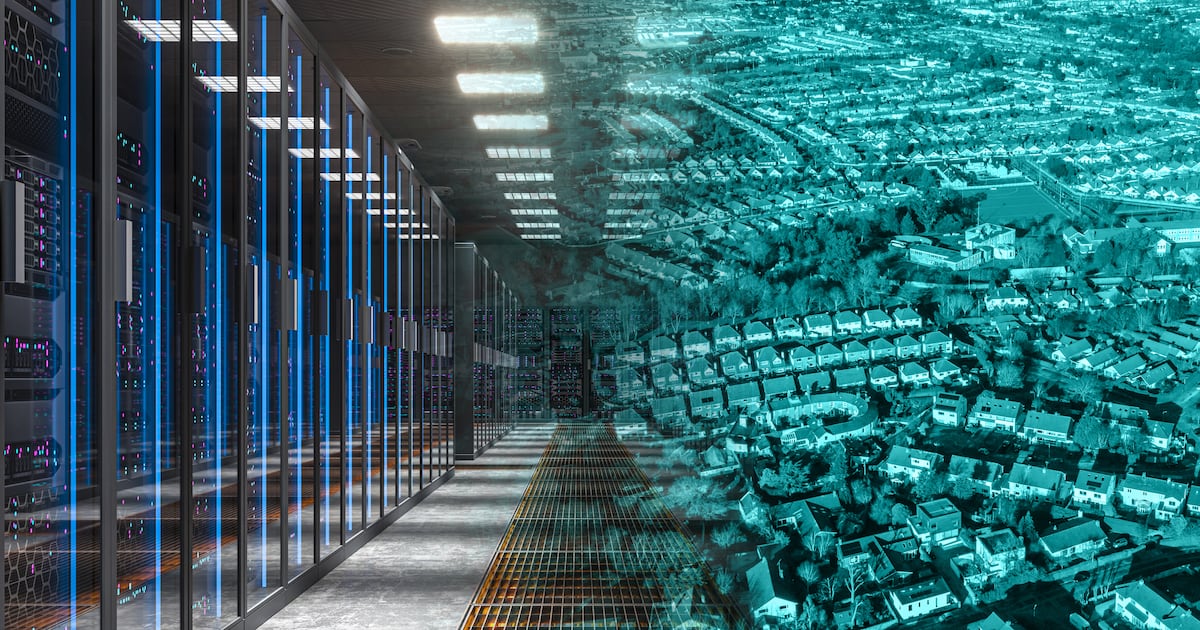
New data centres designed for AI ‘require power in excess of that used by 100,000 homes’
Full Article
Original Source
Read the full article at Irishtimes →KhanList aggregates and links to publicly available news content. We do not host full articles from third-party sources. Always verify important information with original sources.