
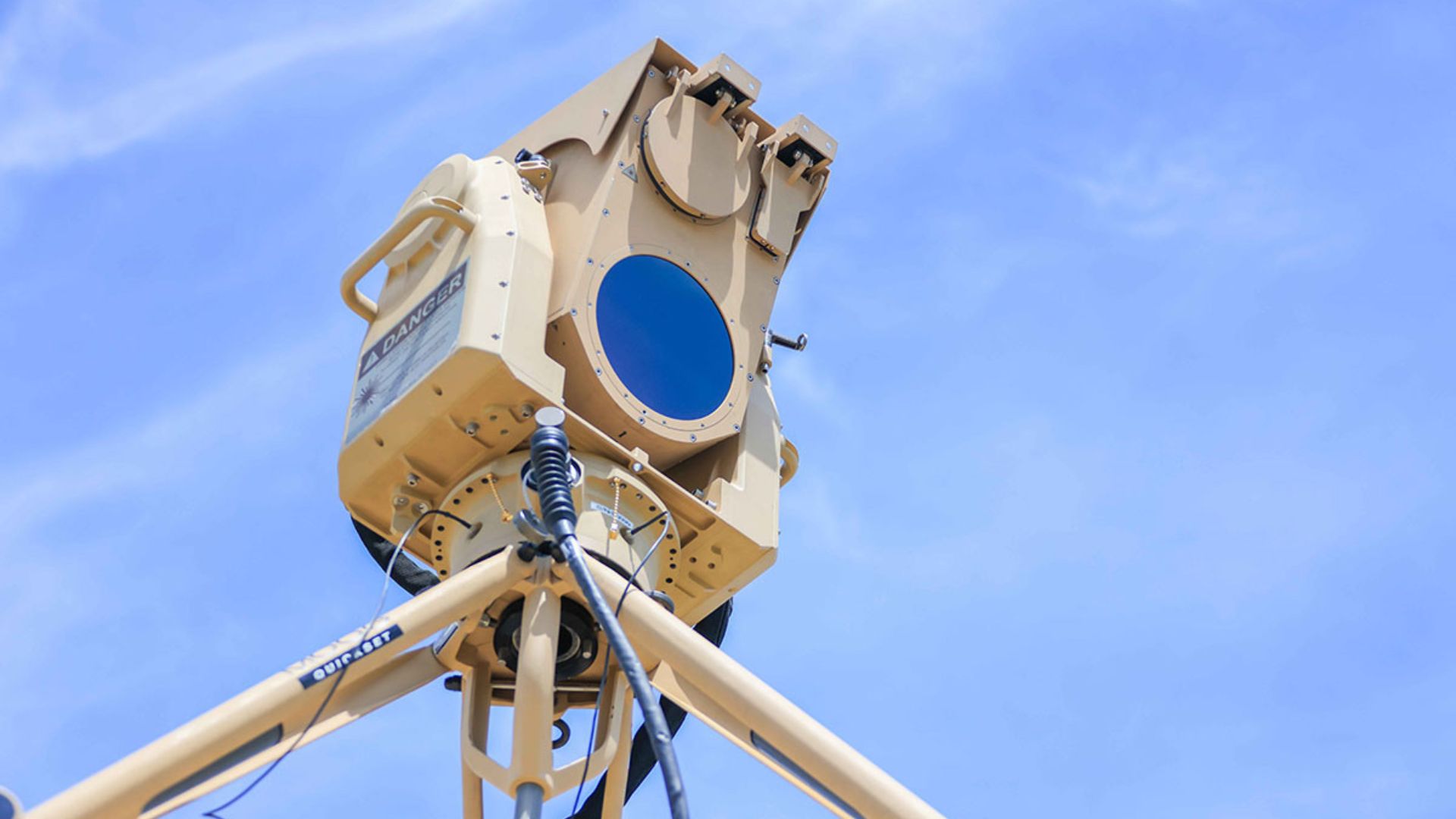
Small drones are forcing counter-UAS systems to detect threats earlier, especially as aircraft become harder to track electronically. AEye and Swedish defense technology firm AB Swiftstrike AI now want lidar to extend that detection window. The companies will integrate AEye’s STRATOS lidar into Swiftstrike’s autonomous counter-drone systems. The partnership targets small aerial threats that can approach without broadcasting a conventional radio signal. Swiftstrike’s platform combines multiple sensors with autonomous software and kinetic intercept capabilities. STRATOS will add a long-range optical sensing layer to that architecture. Lidar extends drone detection STRATOS can detect objects at distances reaching 0.93 miles, according to AEye. The sensor also delivers more than twice the resolution of AEye’s Apollo lidar. That combination matters when countering small drones. A distant aircraft can occupy only a tiny portion of a sensor’s field of view. Higher resolution can help distinguish an actual aerial target from surrounding objects. It can also generate more precise information about the target’s position and movement. AEye designed STRATOS as a compact sensor roughly comparable in size to a smartphone. Its software-defined architecture also allows the sensor’s capabilities to evolve through software. Swiftstrike plans to use that sensing data within its broader autonomous system. The company says the integration will extend the distance at which its platform can detect and classify aerial targets. The resulting track can provide information about range, altitude, and speed. Those measurements give downstream systems more useful data before an engagement decision. Countering radio-silent drones Electronic detection presents a growing challenge as drone designs change. Some unmanned aircraft can operate without maintaining a live radio connection. That can reduce the usefulness of counter-UAS systems that depend heavily on radio-frequency signatures. Lidar offers another sensing path because it actively measures objects using laser pulses. The technology can therefore contribute detection even when an aircraft does not provide an obvious electronic signature. It also supplies three-dimensional information that can help separate aerial targets from the surrounding environment. Matt Fisch, AEye’s chairman and CEO, said small drones require detection at meaningful distances. He said STRATOS targets that problem through long-range, high-resolution sensing. Swiftstrike CEO Karl Murray said the counter-drone lidar integration will expand the range of his company’s sensing layer. He also pointed to the platform’s modular architecture as an important requirement for customers. Growing counter-drone market The partnership arrives as spending on counter-UAS technology expands across military and security applications. Fortune Business Insights projects the global market to reach about $55.3 billion by 2034. Its forecast puts the market at roughly $14.4 billion in 2026. The projected growth reflects rising demand for systems that can detect and respond to increasingly capable drones. Small aircraft also continue to gain autonomy and become less expensive to deploy. Those trends can make early detection increasingly important for military installations and critical infrastructure. Swiftstrike’s kinetic system gives the lidar data a potential path toward an operational response. STRATOS supplies the detection layer, while Swiftstrike handles the broader sensing and autonomous counter-UAS workflow. The companies have not disclosed a deployment schedule or specific customer for the integrated system. The collaboration instead establishes lidar as another sensing option within Swiftstrike’s counter-drone architecture. Get the latest in engineering, tech, space & science - delivered daily to your inbox.Aamir is a seasoned tech journalist with experience at Exhibit Magazine, Republic World, and PR Newswire. With a deep love for all things tech and science, he has spent years decoding the latest innovations and exploring how they shape industries, lifestyles, and the future of humanity.
New 3D lidar sensor detects radio-silent drone threats from nearly one mile away
Full Article
Original Source
Read the full article at Interestingengineering →KhanList aggregates and links to publicly available news content. We do not host full articles from third-party sources. Always verify important information with original sources.