
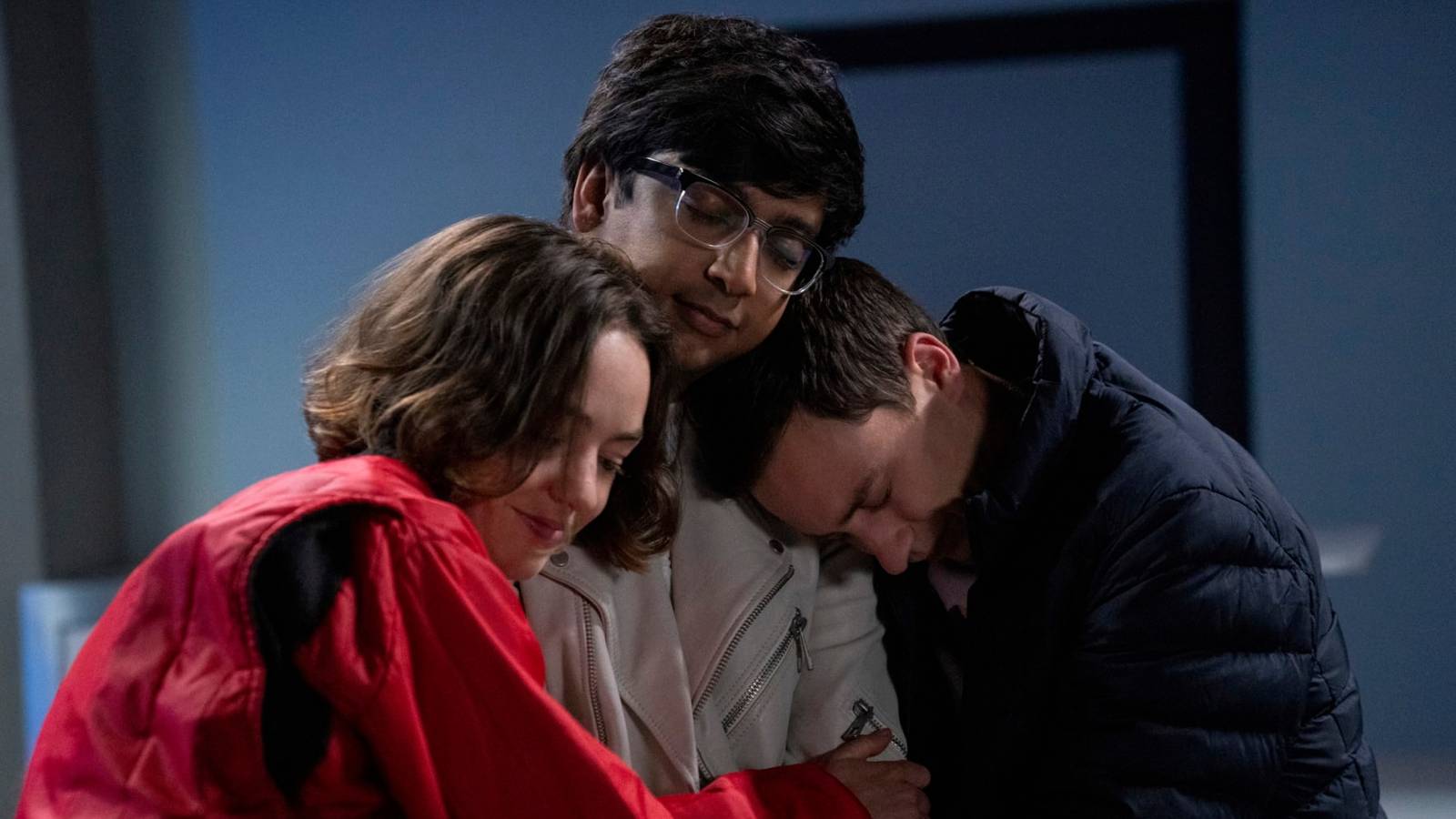
Published Sep 5, 2026, 2:27 PM EDT Thomas Butt is a senior writer. An avid film connoisseur, Thomas actively logs his film consumption on Letterboxd and vows to connect with many more cinephiles through the platform. He is immensely passionate about the work of Martin Scorsese, John Ford, and Albert Brooks. His work can be read on Collider and Taste of Cinema. He also writes for his own blog, The Empty Theater, on Substack. He is also a big fan of courtroom dramas and DVD commentary tracks. For Thomas, movie theaters are a second home. A native of Wakefield, MA, he is often found scrolling through the scheduled programming on Turner Classic Movies and making more room for his physical media collection. Thomas habitually increases his watchlist and jumps down a YouTube rabbit hole of archived interviews with directors and actors. He is inspired to write about film to uphold the medium's artistic value and to express his undying love for the art form. Thomas looks to cinema as an outlet to better understand the world, human emotions, and himself. Buried in Netflix's deep library of original and licensed television shows is quietly one of the unsung gems of the last 10 years, a show that deserves recognition as a breakthrough in the depiction of neurodivergent characters. Atypical, a four-season dramedy created by Robia Rashid and starring Keir Gilchrist, Jack Haven, Michael Rappaport, and Jennifer Jason Leigh, is a remarkably sensitive, intimate, and fully lived-in slice of life that surprises you each episode. Within a few episodes, this overlooked Netflix series sheds its mawkish exterior and reveals a challenging, deeply curious interior. Atypical follows the ups and downs of a teenager on the autism spectrum as he explores the world outside his comfort zone, tackling harsh realities in honest but touching ways and unafraid to be irreverent amid its sentimentality. 'Atypical' Is a Sympathetic and Honest Portrait of Life on the Spectrum For Sam Gardner (Gilchrist), life was confined to a rigid box. At his best, his days ought to be anything but atypical and instead conform to his strict routines and preferences. One day, everything changes for Sam, as he feels an urge to find a romantic partner, something he once believed impossible for people on the spectrum. Suddenly, he's thrust into a world of teenage angst, confusion, and heartbreak, which also takes a toll on his protective, helicopter mother, Elsa (Leigh), his distant but well-meaning father, Doug (Rappaport), and his rebellious sister, Casey (Haven). Atypical covers the day-to-day struggles of life with autism, but it also emphasizes that growing up can be tough, even for the neurotypical. In the wake of American media's less-than-ideal history of portraying the autism spectrum, perhaps most famously by Dustin Hoffman in Rain Man, Gilchrist's performance as Sam is gracefully nuanced and devoid of hackneyed tropes. He's a young man defined by things far beyond his neurological condition, as shown by his desire to fit into society more seamlessly. Sam's passion for animals isn't used as a shorthand crutch for stereotypical autistic fascinations, and audiences recognize how his hobbies and interests shape him as an autonomous person. While Sam is wholly sympathetic and a source of inspiration throughout Atypical, the series isn't afraid to paint him in an unflattering light, underlining that he can be just as selfish, temperamental, and stubborn as anyone. It's up to the audience to reflect on the struggles that come with Sam's difficulty handling conflict and setbacks without infantilizing him. 'Atypical' Finds New Thematic Depth in its Later Seasons Image via NetflixImage via Netflix Atypical had its share of growing pains in Season 1, mostly around the episodes that Sam faces when he's overwhelmed. Instances where he's framed as an outlandish savant are when the series brushes up against the archetypes created by the likes of Rain Man, but by Seasons 2 and 3, Sam and every other character become far more three-dimensional. Elsa and Doug, in particular, are shaded in morally grey areas, with their main tension stemming from the former's secret affair and the latter's thirst for retribution. Without ever vilifying any party, Atypical confronts the anxieties of raising a child on the spectrum. For Elsa, the goal is to ease her controlling instincts. For Doug, who has been trepidatious about managing Sam's condition and generally stays distant, his new challenge is about getting closer to his son. In the end, though, Atypical recognizes that being "normal" is overrated, and the world is better off with Sam truly being Sam. The show indulges in the character's rich inner life with animated fantastical sequences that mirror his imaginative view of the world around him. Once Sam finds a solid core of friends, including a long-awaited girlfriend, Paige (Jenna Boyd), we find ourselves enjoying his presence and embracing his point of view. Above all else, the show's writing and performances are top-of-the-line in its middle seasons, with a cast of seasoned veterans and newcomers converging to form a sweet concoction of generational bonding. Atypical grows on you, and characters who seem irredeemable and one-note prove to be layered in the most fascinating ways. On the surface, it's easy to write off a show like Atypical as corny drivel enforcing the family values present since '50s sitcoms, but there's a reason why these shows endure. Atypical may have been under the radar, but it perfected a formula audiences adore.
Netflix's Forgotten 4-Part Comedy Only Gets Better With Every Season
Full Article
Original Source
Read the full article at Collider →KhanList aggregates and links to publicly available news content. We do not host full articles from third-party sources. Always verify important information with original sources.