
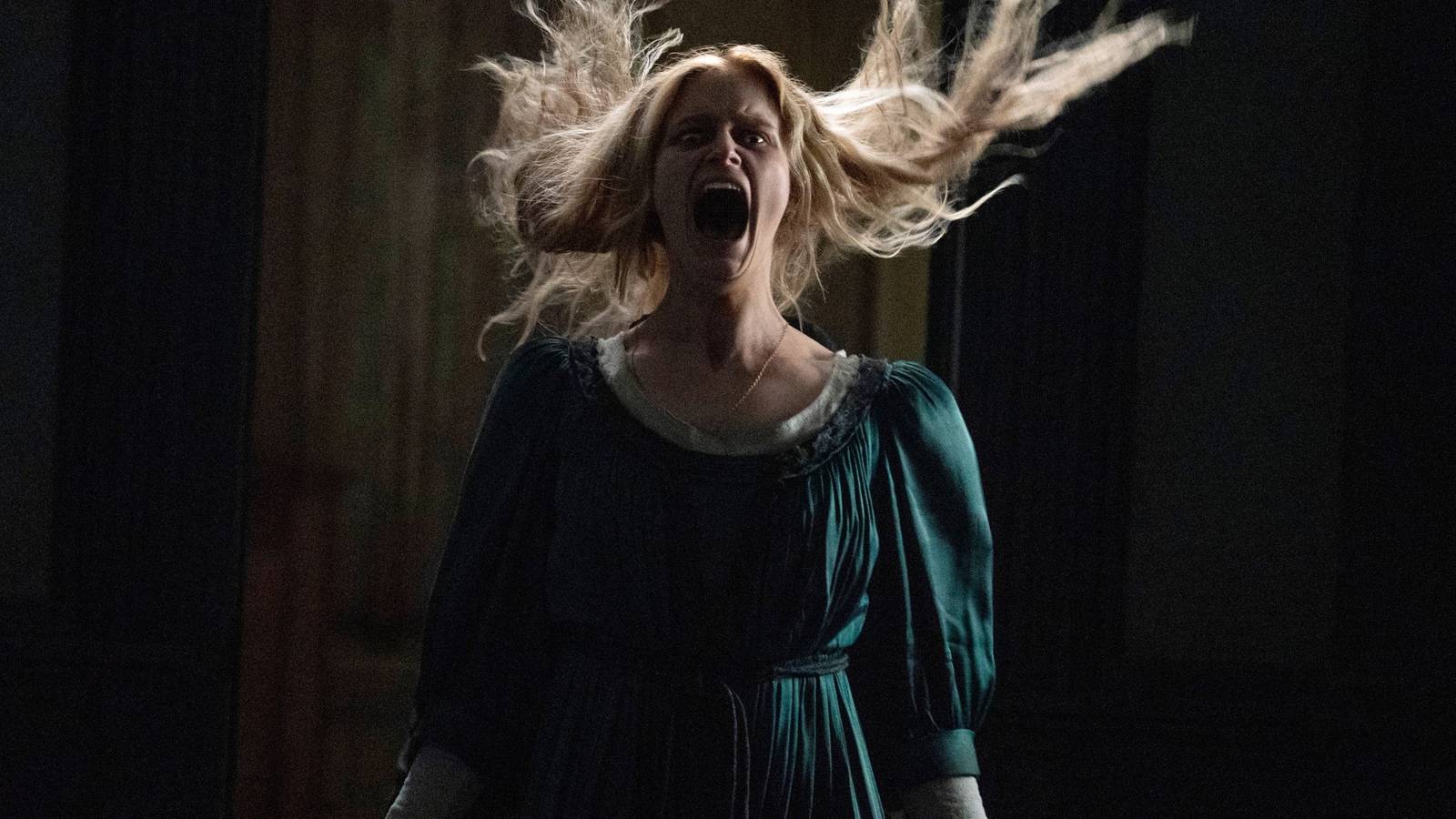
Published Nov 26, 2026, 9:45 PM EST Memory Ngulube joined Screen Rant in April 2024 as part of the Movies and TV team. Since then, she has written for the Perennials and Streaming team, covering a wide range of topics from new releases to old movies and TV shows. Memory is currently a Classic TV writer. Before joining Screen Rant, Memory was a freelance copywriter who specialized in email marketing and social media management. While she enjoyed her job, her true passion was always movies and TV. When she isn’t writing for Screen Rant, Memory can be found reading, baking (which is one of her passions), or watching her favorite K-drama. Stephen King is widely regarded as the master of horror, but he is not the only genre author who deserves that title. Although H.P. Lovecraft’s stories were written nearly a century ago, the American writer's work continues to shape how modern filmmakers and television creators bring their horror stories to life. His distinctive brand of cosmic horror has inspired films like The Thing and Annihilation, as well as TV shows such as True Detective and Lovecraft Country. Lovecraft’s brand of horror explores the possibility of terrifying supernatural forces beyond human control and understanding. Capturing that otherworldly atmosphere on television is more difficult than it seems. Fortunately, one Netflix anthology series understands this exceptionally well. Created by legendary filmmaker Guillermo del Toro, Guillermo del Toro's Cabinet of Curiosities is an eight-episode collection of standalone horror stories. Each story is incredibly nuanced and explores everything from ancient supernatural entities to otherworldly nightmares. While not every episode of Cabinet of Curiosities is directly adapted from the author, several installments draw heavily from the themes and storytelling traditions that made Lovecraft’s work so influential. Featuring contributions from acclaimed horror filmmakers and based on stories by celebrated writers, the series delivers wonderfully unsettling, chilling episodes any genre buff can enjoy. Guillermo del Toro's Cabinet Of Curiosities Puts The "Dark" In "Dark Fantasy" Image courtesy of Everett Collection Though fantasy series like The Librarians, Pushing Daisies, and Percy Jackson & the Olympians are whimsical, a corner of the genre thrives on the dark and the macabre. The Witcher, Wednesday, and Castlevania are all honorable mentions in the subgenre, but Cabinet of Curiosities is on a whole other level. Every episode of del Toro’s series delivers the darkest stories imaginable. The Netflix original show doesn’t try to soften the horror it presents. It does the opposite, unsettling viewers from the start. The series includes everything fans expect from the genre. It's gory and scary, and it isn’t for the faint of heart. It features creatures like vampires and demons — everything nightmares are made of. What makes Cabinet of Curiosities stand out, however, is that it is more than a show that aims to terrify its viewers. Sure, episodes like ''The Viewing'' would make anyone want to sleep with a light on, but beneath it all, it examines humanity’s darkest desires and vulnerabilities. Its exploration of themes like desire and fear of the unknown allows Guillermo del Toro's Cabinet of Curiosities to thrive, surpassing some of its best genre peers. The show's supernatural elements reflect the characters' psychological weaknesses, suggesting that some of our greatest horrors are not necessarily external threats. Guillermo del Toro Gets Dark Fantasy Better Than Any Other Creative Throughout his career, Guillermo del Toro has shown an extraordinary ability to combine magical storytelling with disturbing, psychological examinations. His stories frequently explore the idea that monsters aren't necessarily evil, humans aren't always good, and the supernatural world can be just as beautiful as it is terrifying. This distinctive approach is evident in projects such as Pan's Labyrinth, The Shape of Water, and Hellboy. Although del Toro is famous for his creature designs and supernatural imagery, his stories are rarely just about monsters and magical worlds. Many of his most compelling characters are outsiders who struggle to find acceptance in societies that misunderstand or fear them. In The Shape of Water, Elisa's relationship with the amphibious creature demonstrates that emotional connections can exist despite major differences. Likewise, Pan's Labyrinth uses Ofelia's fantasy adventures to explore the emotional consequences of growing up in a violent and oppressive environment. Del Toro's background in horror filmmaking gives him an advantage when creating dark fantasy. The director excels at using people's fear of the unknown and twisting that into profound stories about humanity's deepest insecurities, and Guillermo del Toro's Cabinet of Curiosities is perhaps the best example of this. Episodes such as "The Autopsy", "Dreams in the Witch House", and the previously mentioned "The Viewing" introduce mysterious forces that challenge the characters' understanding of reality and themselves. Guillermo del Toro's Cabinet of Curiosities is available on Netflix. Release Date 2022 - 2022-00-00 Network Netflix Showrunner Guillermo del Toro Guillermo del Toro's Cabinet of Curiosities, a horror anthology series, comes from a collection of visionary filmmakers, including and curated by Guillermo del Toro. Eight terrifying tales, both new and adapted from classic writers, are brought to the small screen to challenge modern horror conventions and get some of the works of del Toro to life. Each episode tells a unique tale with a different cast, with the beginning of each one starting with an introduction by del Toro himself. Guillermo del Toro's Cabinet of Curiosities positions itself as anthology series set to give new minds a chance to shine in a crowded medium.
Netflix's 8-Episode Lovecraft Series Is Dark Fantasy Done Right
Full Article
Original Source
Read the full article at Screenrant →KhanList aggregates and links to publicly available news content. We do not host full articles from third-party sources. Always verify important information with original sources.