
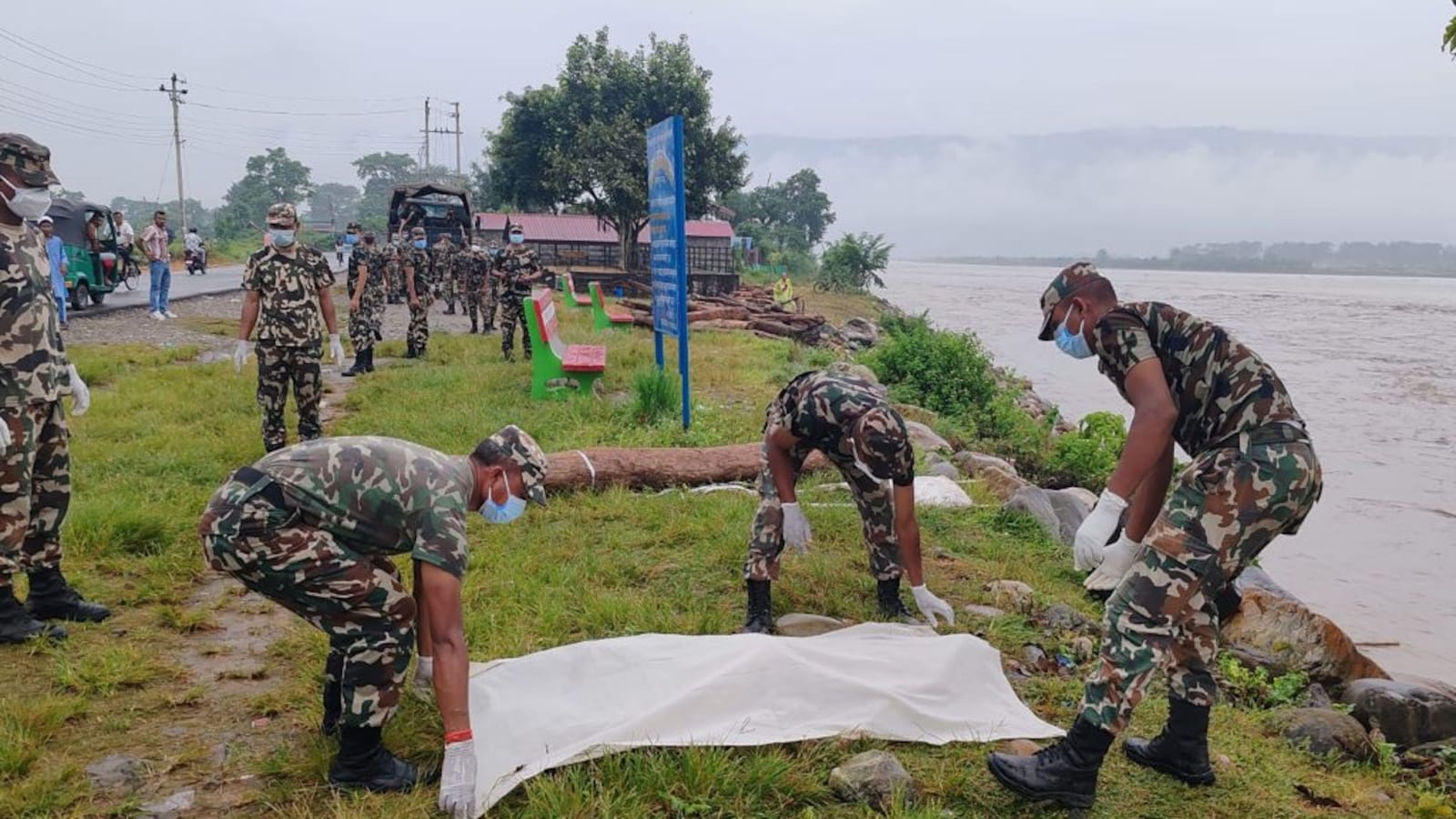
New Delhi: Nepal has said it will start burying unidentified and unclaimed bodies recovered after the devastating flash floods tore through the country this week, citing the risk of infection and the deteriorating condition of the remains.At least 675 bodies have so far been recovered since the tsunami-like rumble of water and mud struck villages and towns on Wednesday morning. Chitwan, a district in the south that borders India, recovered the most number of bodies at 233.Chitwan has been struggling to prevent the corpses from decomposing due to a lack of adequate space and facilities at hospitals. The authorities in the district on Saturday decided to bury the bodies after health experts warned that the increasing decomposition and foul smell from the bodies kept under temporary arrangements could increase the risk of infection.ALSO READ | Before Nepal Flood, A Glacial Fall: Tracing The Trigger, A 100-km Killer Surge"As the number of dead bodies piled up, we used a house as a cooling centre where the bodies were kept," an official said."As the house also ran out of space, we had no alternative but to bury them," the official added.DNA Samples Collected From BodiesThe officials have been collecting DNA samples from the bodies before burying them. They are also maintaining records using identification or reference numbers to facilitate possible identification in the future.Each body has a unique identification number with its location tag so that relatives can exhume them once DNA matches. By Saturday afternoon, DNA profiling for over 100 bodies had been completed, and they were ready for burial.1.5-Metre Deep Burial PitsThe burial pits are being dug to a depth of 1.5 metres to ensure the bodies can be easily exhumed later. A 40-centimetre gap has been maintained between them to ensure that only the specific body identified via DNA matching can be retrieved.The bodies are being packed into bags with an identification number. A concrete platform with a signboard is being constructed at each burial site that will display the body's identification number.ALSO READ | 5 Months Before Nepal Flash Floods, Two Reports Indicated What Lay AheadPlans are also in place to document the burial process through video and photography and to geo-tag the burial site.People looking for their missing relatives will be required to provide DNA samples at various hospitals across the country. Once the DNA test results are available, Nepal's health department will match them with the DNA from the bodies to identify the specific body number. Based on that number, the police will consult the records to determine the exact location where the body was buried.The bodies will then be exhumed and handed over to them.The police have also uploaded details of unidentified and unclaimed bodies on a website.रसुवा जिल्ला भोटेकोशीमा आएको बाढीबाट प्रभावित "पहिचान नखुलेका तथा बेवारिसे शव" सम्बन्धी विवरणहरूका लागि QR Scan वा https://t.co/pnKPe51ZdI हेर्न सक्नुहुन्छ ।#नेपालप्रहरी #NepalPolice #BelieveInBlue #ToServeandProtect pic.twitter.com/o8OqgBGhr6— Nepal Police (@NepalPoliceHQ) August 29, 2026According to officials, 2,426 people, including hundreds of foreigners, are still missing in Nepal.
Nepal To Bury Unidentified Flood Victims. How They Will Be Identified Later
Full Article
Original Source
Read the full article at Ndtv →KhanList aggregates and links to publicly available news content. We do not host full articles from third-party sources. Always verify important information with original sources.