
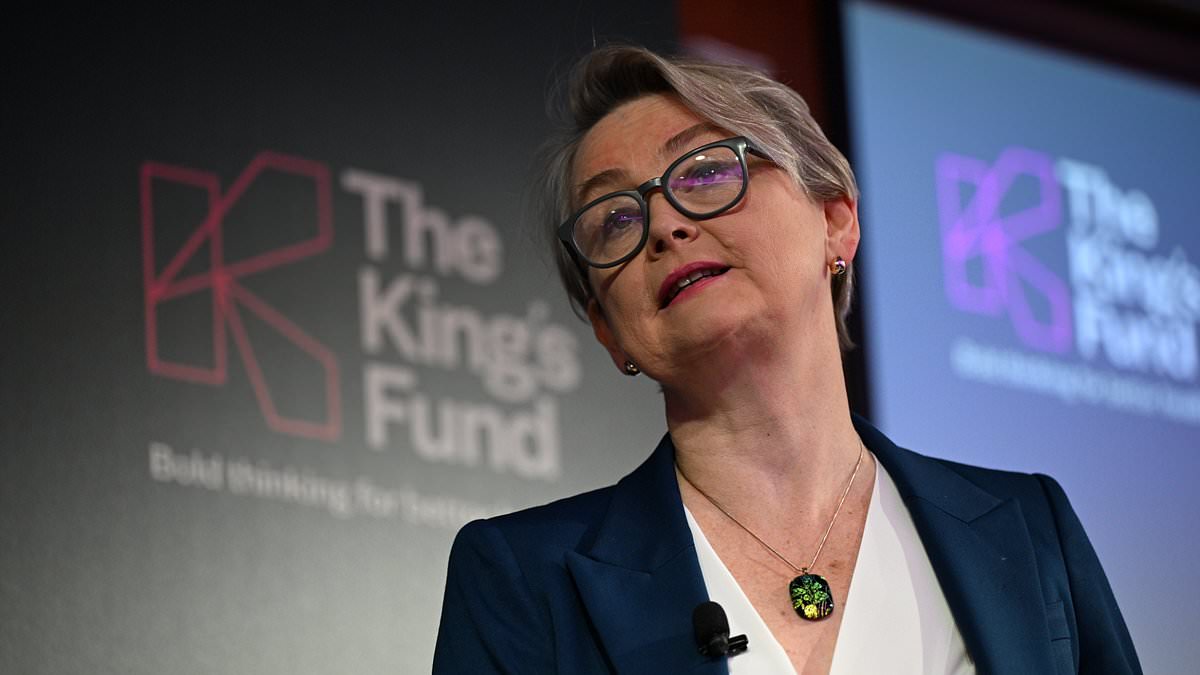
Nearly two million vulnerable patients will be given access to 24/7 NHS support at home under plans to keep them out of hospital and slash corridor care.Elderly people with dementia will be among those allocated a Neighbourhood Support Team, consisting of doctors, nurses, physiotherapists and social carers.They will work with a patient's existing GP to draw up a personalised care plan and coordinate its delivery, including managing their medicines and ongoing treatment.The healthcare professionals will schedule regular check-ins to help spot issues early and prevent them from escalating, delivering care at home where possible.Patients and their loved ones will also be able to obtain rapid advice on health issues at any time of the day or night through a dedicated hotline that will act as a single point of contact.The Department of Health and Social Care said 566,000 patients will be assigned an NST before April next year, with the number eventually rising to 1.8million.Delivering better care at home is expected to save the NHS more than £1billion a year and avoid 4.3million emergency bed days, easing pressure on emergency departments and sparing patients the stress of an overnight hospital stay.Speaking at the King's Fund annual conference in London on Wednesday, Health Secretary Yvette Cooper said it was 'truly appalling' that frail patients are being treated in hospital corridors and warned the NHS would struggle to survive another 80 years without reform. Yvette Cooper, secretary of state for health and social care, at the King's Fund health think tank She described the new care management service as a 'down payment' on the future National Care Service promised by Prime Minister Andy Burnham.Ms Cooper said: 'The founders of the NHS never intended extended hospital stays, or repeated emergency department waits, to be the long-term default for people who worked hard all their lives and deserve care, dignity and support in old age.'In too many areas, as we face new health challenges and our population ages, we just aren't providing the right care, in the right way, in the right place. And everyone knows it.'Today we're setting a new national ambition: that by the end of the decade, people with the greatest health and care needs will no longer have to fight their way through the system to get the support they need.'It's a fundamental change in the relationship between vulnerable people and the health and care system: from having to navigate fragmented services themselves, to having a team that knows them, looks out for them and takes responsibility for their care.'The NHS will be required to proactively identify the most vulnerable people in their communities, including frail older people, people living with dementia, those in care homes and people approaching the end of life.Health leaders will have to establish the Neighbourhood Support Teams from existing budgets, with future payments dependent on avoiding unnecessary hospital admissions.If patients enrolled in the new service do suffer a 'crisis' that requires a hospital admission, their support team will work to coordinate a rapid discharge.They will be offered regular reviews at home and remote monitoring, where appropriate.Some 2.5 million people attended A&E in October, which is more than any month ever, at any time of the year.Ms Cooper said the most frail and vulnerable in society represent 4 per cent of the population but account for 70 per cent of emergency bed days in hospital 'even though for many of them an extended hospital stay is not where they want to be'.She added: 'The case for early support was always important. Now it is really urgent.'Dr Emma Rowland, NHS executive director for performance and delivery, said: 'We want to be there for the most vulnerable patients and their families around the clock, offering them the support they need to avoid unnecessary and stressful trips to A&E and stays in hospital.'Tim Baverstock, head of local systems influencing at Alzheimer's Society, said: 'We welcome plans to give people living with dementia better, more personalised care in their own communities.'Getting an early and accurate diagnosis, together with access to treatment and a personalised care plan, can help people stay well and remain independent for longer.'Preventing avoidable trips to hospital is especially important for people living with dementia, who can find the unfamiliar ward environment confusing and distressing.'
Nearly two million vulnerable patients will be given access to 24/7 NHS support at home under plans to keep them out of hospital and slash corridor care
Full Article
Original Source
Read the full article at Dailymail →KhanList aggregates and links to publicly available news content. We do not host full articles from third-party sources. Always verify important information with original sources.