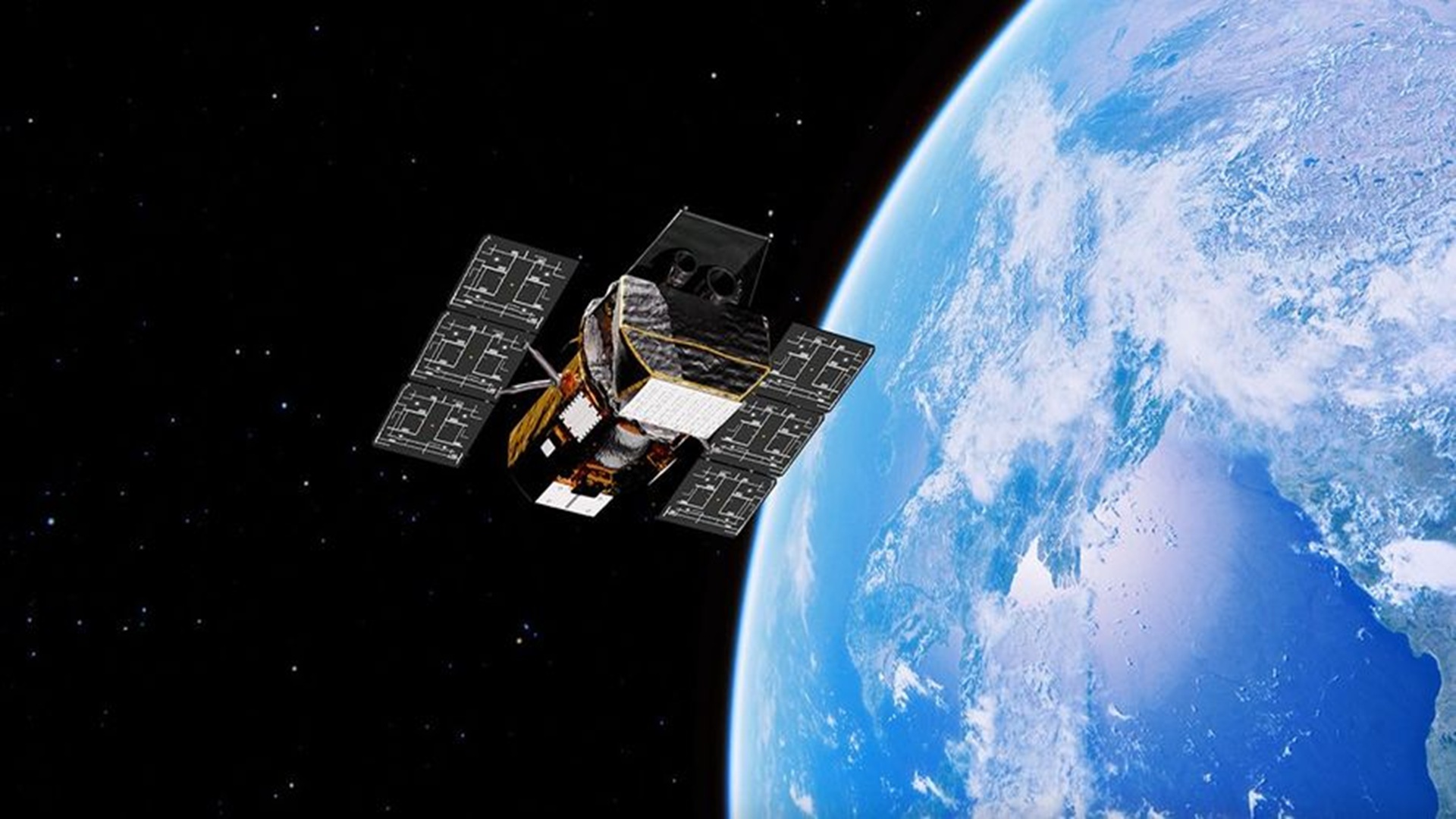
Katalyst Space’s LINK spacecraft has suffered a new attitude-control failure that could complicate its mission to capture and raise NASA’s Neil Gehrels Swift Observatory into a higher orbit. The robotic servicing spacecraft began spinning over the weekend after losing control of its orientation. A preliminary investigation found that two of LINK’s three reaction wheels are no longer operational, while the spacecraft has also experienced some loss of functionality in its cold gas thruster system. LINK remains power positive and in communication with the Katalyst team, with its other major subsystems functioning as expected. The team is now working to halt the spacecraft’s spin using its electric propulsion thrusters over the next few days. Spacecraft faces fresh setback Once LINK is stabilized, Katalyst plans to reassess the spacecraft and update its guidance, navigation, and control systems to work with its new configuration. The company will then work with NASA to determine whether it is safe to proceed with the planned approach and capture of Swift. The development comes after an earlier attitude-control problem during LINK’s initial commissioning phase. At that time, Katalyst had reported an issue with one of the spacecraft’s three reaction wheels, but said it had restored stable attitude control and reliable communications through flight software patches and operational updates. LINK launched July 3 aboard a Northrop Grumman Pegasus XL rocket, which was deployed from the company’s Stargazer aircraft over the South Pacific. The spacecraft established communications after launch and began commissioning, including checks of its power, avionics, propulsion, sensors and navigation systems. The spacecraft is designed to travel to Swift, survey the 21-year-old observatory and capture it before gradually raising its orbital altitude over several months. The mission is intended to address the observatory’s rapidly declining orbit, which has been worsened by atmospheric drag and increased solar activity. Swift mission now under review NASA contracted Katalyst in September to design, build, test, and launch LINK and complete the rendezvous, capture, and orbit-raising mission in less than a year. The mission is challenging because Swift does not have a propulsion system capable of maintaining its orbit indefinitely. As a spacecraft moves through low Earth orbit, even the thin upper atmosphere creates drag that gradually lowers its altitude. Recent solar activity increased atmospheric drag around Earth, accelerating Swift’s orbital decay faster than anticipated. LINK’s propulsion architecture includes three xenon-fueled electric thrusters, which were previously fired during commissioning. These thrusters are intended to propel LINK toward Swift and later help raise the observatory’s orbit. Before the latest setback, Katalyst had said LINK was about halfway through commissioning and preparing to enter its transit phase toward Swift. The team had also built flexibility into the commissioning schedule to allow it to pause operations, assess spacecraft data and make adjustments as needed. The immediate priority is now to stop LINK’s spin and establish stable attitude control. Katalyst and NASA will then have to determine whether the spacecraft remains capable of safely approaching and capturing Swift, or whether the mission plan needs to be revised further.
NASA’s Swift rescue spacecraft spins out of control after losing two reaction wheels
Full Article
Original Source
Read the full article at Interestingengineering →KhanList aggregates and links to publicly available news content. We do not host full articles from third-party sources. Always verify important information with original sources.