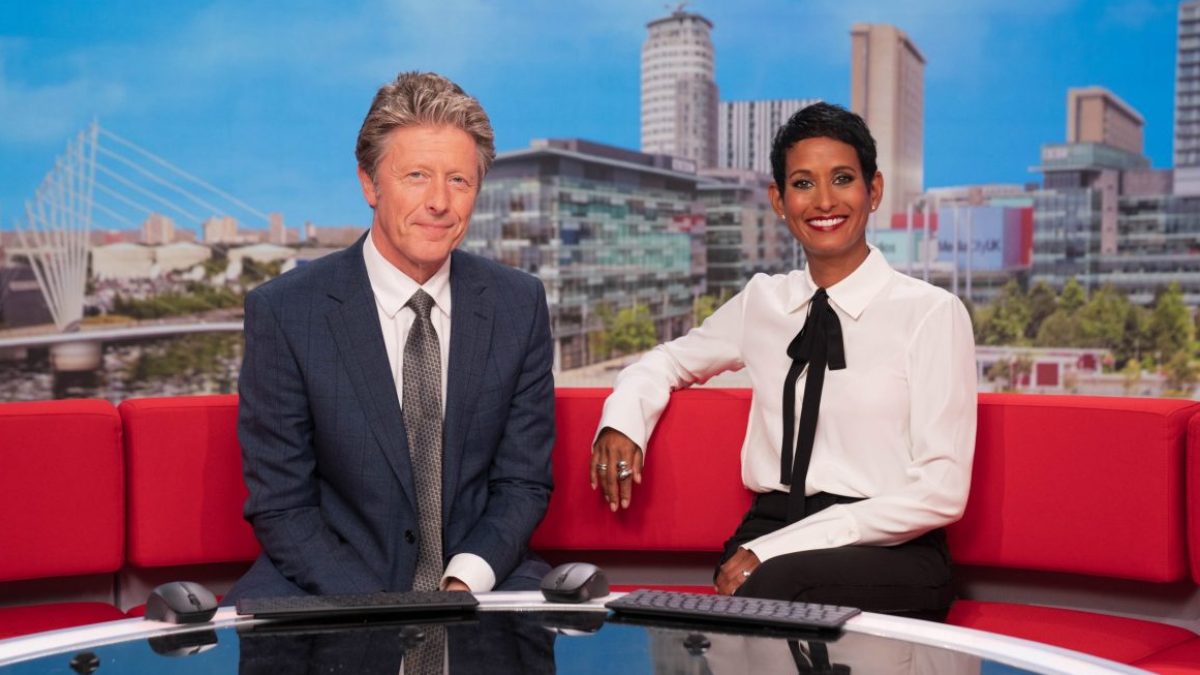
A BBC radio breakfast show used to be the gig of a lifetime for a broadcast journalist. It’s not quite that simple for Naga Munchetty. Yesterday, she announced that after 17 years hosting BBC Breakfast on BBC One, in January she will take over from Rick Edwards and Rachel Burden on Radio 5 Live – an opportunity “simply too good to pass up”, as she put it, but also a tactical move from a position that had become untenable. The writing has long been on the wall for Munchetty and BBC Breakfast. No matter that she was cleared of the bullying allegations that emerged last year, nor the rapport and respect between her and longtime co-host Charlie Stayt, nor that the programme is still in rude health, with 1.1m viewers watching daily. A well-publicised rift with its editor Richard Frediani – himself accused by Munchetty of bullying, and also cleared – and being branded the kind of woman with vocal opinions on how Marmite is spread, or how well-fired her toast is, or how she likes her porridge (three of the allegations in the bullying case), meant she couldn’t last much longer on a programme that is supposed to ease Britain into the day with brightness and jollity. Let’s face it: Munchetty is spiky. She’s not interested in doing the soft and cuddly fluff stuff, she’s opinionated, can be critical, and despite the lightness of touch the job demands, she makes no concessions in order to be “likeable”. A lot of the time, that’s fine – and demonstrates competence and resilience and all the qualities we are supposed to respect in women with high-octane careers. Certainly we wouldn’t think twice about the same behaviours from a man (in fact we probably wouldn’t use the word “spiky” at all), and so feels it unfair to use them to beat a woman of colour who has suffered from racist abuse from the public. Especially when you add to that the unique pressures of early-morning live broadcasting, the relentlessness and exhaustion of all involved, and the generational shifts in what we consider acceptable in the workplace. Munchetty already hosts a mid-morning show on 5 Live (Photo: BBC) But too regularly that spikiness has come across as poor judgement on a programme that is supposed to be authoritative, yes, but also warm, conversational and easy to watch. Awkward encounters range from grilling an obstinate David Attenborough on the royals, to pointing her finger in Geri Horner’s face, to joking coldly about Carol Kirkwood’s exit from the programme, prompting hundreds of complaints. Most bizarre, uncomfortable and unedifying of all was the time she told an enthusiastic new reporter, on location at a Nantwich dairy farm: “I don’t like ice-cream,” going on to flatly declare her disinterest in cold food and leaving the reporter speechless and unsure about how to continue with the segment. The excruciating (and entertaining) Partridge-esque exchange, well worth seeking out on YouTube, demonstrates all that Munchetty’s critics find jarring and why they have taken against her. She appears blunt, rude, obstructive to the flow and tone of the show and not especially collegiate either. In the context of that specific programme, which relies so much on enthusiasm and encouragement, it feels shocking. BBC Breakfast isn’t The One Show; serious news journalists have long sat on that sofa – its past presenters include Mishal Husain and Jeremy Bowen – and you don’t have to be as cosy as Bill Turnbull or as people-pleasing as Susanna Reid to be a success there. Yet Munchetty’s imprudence about sharing even her most innocuous opinions, and disregard for how they might make other people feel or for how it might look on TV, feels out of place. Particularly in contrast to the measured and safer Stayt. It seems a paradoxical thing to say about someone who’s held a job for 17 years, but increasingly Munchetty, paid between £360,000 and £364,999 a year, just doesn’t feel the right fit for BBC Breakfast. 5 Live, on which Munchetty already hosts a mid-morning show on the days she isn’t on Breakfast, is a sideways move, and I presume a long-considered solution to a complicated problem for the BBC. But isn’t it also the best place for her? This station, whose identity lies in news, sport, and “national conversation”, does not have a listenership that is sensitive to feelings and to manners, and more than any other of the BBC’s radio brands it expects its presenters to show their characters and voice opinions. It’s not gentle, it’s not supposed to be palatable, and there are no filler packages to lighten the mood. People listen precisely for the phone-ins and debates of exactly the kind that Munchetty is good at and where her bluntness, off-script interjections and direct questioning are par for the course, rather than off-putting and jarring. Nobody on 5 Live cares if you don’t like ice cream. Crucially, nobody on 5 Live is reporting about ice cream in the first place. The show will also allow Munchetty to go it alone, which you get the feeling might leave everyone better off. She always comes off the worse when unfavourably compared to a milder co-host like Stayt, meaning that when she does voice her opinions or dominate a conversation or go in for the kill, people accuse her of hogging screen time, “making it about her”, or bringing the tone down. On her own programme, it actually is about her, and she has more freedom to set the tone she wants to. The thing about radio is, even on your own show you are never really going it alone. Munchetty will still be a cog in a big team with whom she must co-operate, and at five days a week (compared to the three she is doing on BBC One) she will have even more torturous early mornings and she will still face the scrutiny of a high-stakes BBC breakfast institution. 5 Live is the best place for her career, but it will take some time to see if it’s enough to save her reputation.
Naga Munchetty had too many opinions for BBC Breakfast
Full Article
Original Source
Read the full article at Inews →KhanList aggregates and links to publicly available news content. We do not host full articles from third-party sources. Always verify important information with original sources.