
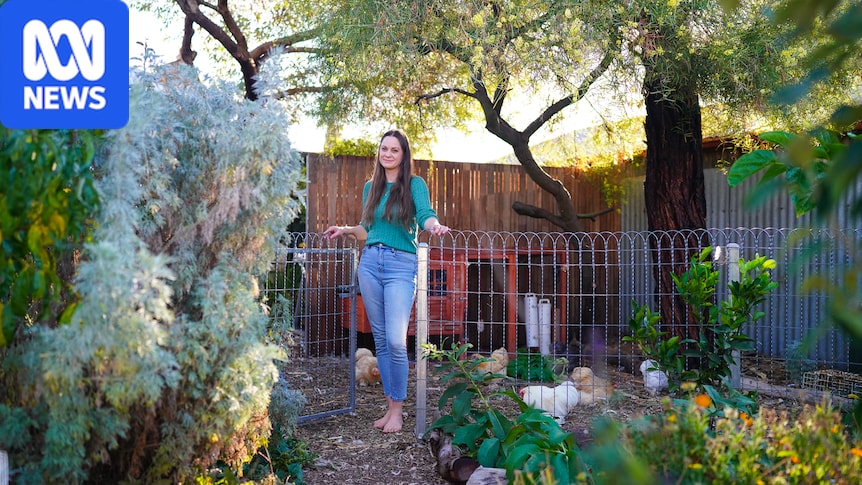
Spring in the veggie patch is all about preparation.The work I put in now can spell the difference between a plentiful summer bounty and a pitiful harvest.As the days grow longer, so does the garden to-do list. Thankfully, it's a joyful time to get outside, as flowers burst open and plants seem to grow taller by the hour.Here are five jobs I'm prioritising this season for my backyard permaculture patch, within the temperate climate zone of Tarntanya/Adelaide.You can check your zone using Gardening Australia's online map, which also provides month-by-month planting guides for your area.1. Fertilise and prepare for hungry crops aheadMy top priority is feeding the soil — or, more accurately, the billions of beneficial microbes that live within it.This, in turn, feeds my plants, helping them grow bigger and stronger, soak up more nutrients and water, and better resist pests.Koren recommends "chopping and dropping" to create no-dig layers. (Supplied: Koren Helbig)So, before planting anything, I add organic matter and fertiliser to my veggie beds and mini food forest, in no-dig layers.This includes:"Chopping and dropping" any weeds and spent winter veggies by cutting them off at their roots and laying the leaves across the soil's surface.Adding handfuls of fertiliser pellets. I use organic ones made from once-living ingredients such as fish or manure, rather than inorganic fertilisers made from chemicals and synthetic materials.Sprinkling in activated biochar, which acts as a sponge that helps retain water and nutrients.2. Make use of cured compostAnother excellent soil-feeder is compost. Bought stuff is OK but I find homemade even better.I use five round plastic bins, all scored free or second-hand, in a simple rotation system.One is always in active use, taking in new food scraps, chicken manure, garden prunings and shredded paper. Another couple are left to rest and break down for about six months. The last two are generally cured and ready to go.Come spring, I sift my cured compost to remove any chunky bits.Then, I spread a 5-10-centimetre layer across the surface of my garden beds, topped by mulch such as wheat straw to provide shade and help retain moisture.3. Transplant seedlings and sow summer seedsWith my beds all prepped, it's time to get planting.Koren Helbig at work in her "food forest" in Adelaide. (Supplied: Guy Furner)If I've timed things right, the seeds I started indoors in winter should be ready to transplant outside.But it pays not to go too early. Most hot-weather veggies do better once the soil has warmed a little, and the threat of frost has passed.Throughout spring, I aim to plant new veggie seedlings every week or so, a concept known as succession planting.This means my garden is constantly cycling through different stages of growth, with new plants always coming along to replace older varieties ready for eating.Plus, it helps spread out the harvest, so future me is less likely to be overwhelmed by 30 fat zucchinis all ripening at once.Mid-spring, I clear out my seed collection by culling any that are five or more years old. I scatter them in nooks around my garden.If I'm lucky, some might take and deliver a harvest.Indoors, I'll start summer seeds: tomatoes, pumpkins, capsicums, eggplants, basil.4. Plant out citrus treesThis year, I'm keen to add a Eureka lemon tree and Valencia orange tree to my mini orchard.But in cooler temperate regions like Adelaide, citrus shouldn't be planted in winter — the frigid soil shocks the tree, and it may sulk for years, delaying fruit production.Koren says it's best to wait until soil temperatures reach at least 16 degrees before planting citrus trees. (ABC News: Keira Proust)It's best to wait for the soil to reach 16 degrees Celcius or higher.I don't have a soil temperature gauge, so I'll embrace permaculture's "observe and interact" principle by watching the weather instead.Once daytime temps have held at 20+ degrees (and more than 10C overnight) for a good week or more, I'm good to go.Out back, I already have a lemonade lemon. It's plagued by citrus gall wasp, a pest that weakens the tree and reduces fruit yield.Treating it organically is as easy as snipping the galls off and putting them in the green bin — a task I must do before the wasps hatch in mid-spring.Afterwards, I'll apply organic fruit tree fertiliser to help my lemon recover and top up the rest of my orchard too, adding nutrients that support stronger summer harvests.5. Create shade structures, ready for the heat aheadAdelaide's summers can be fierce, with temperatures regularly soaring above 40C.Shade is crucial for helping plants cope.Koren tops up her annual garden beds with layers of fertiliser, compost and mulch. (Supplied: Koren Helbig)By mid-spring, I like to rig up shade structures, particularly hoops of poly pipe that can support netting, shade cloth and even old sheets, while allowing airflow beneath.Doing this early makes it easier to protect young plants on unexpectedly hot days, which late spring sometimes dishes out.While there, I'll check my irrigation to ensure the dripper systems are fully functional before the heatwaves set in.All of that does, admittedly, require a bit of legwork. But I'm glad of my garden's ability to draw me back outside post-winter — where my efforts will often be rewarded with a steady, delicious harvest come summer.
My top five spring gardening tips for a plentiful harvest
Full Article
Original Source
Read the full article at Abc →KhanList aggregates and links to publicly available news content. We do not host full articles from third-party sources. Always verify important information with original sources.