
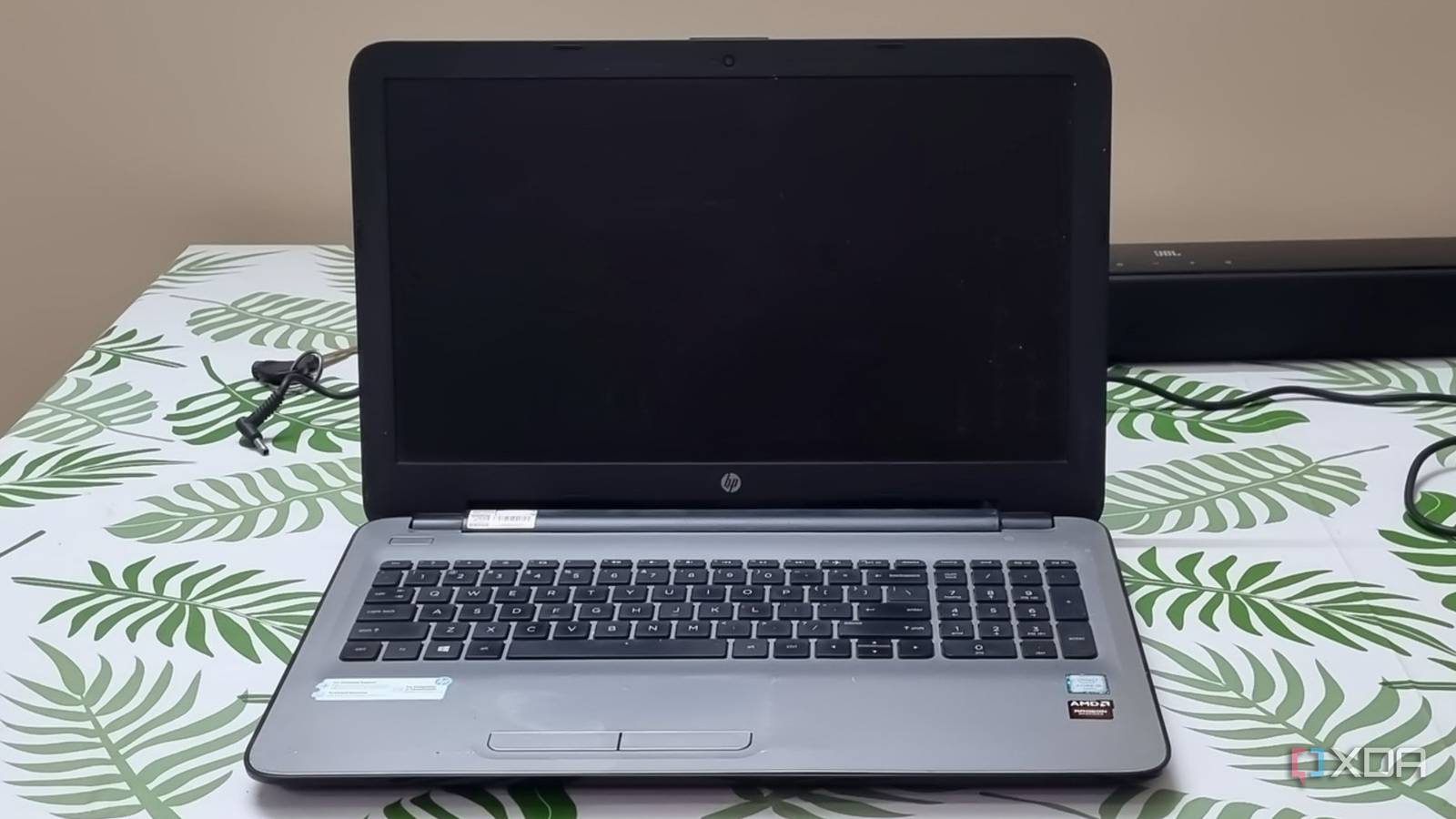
Published Nov 24, 2026, 3:30 PM EST Abhishek is an author at XDA who covers computing. He has loved computers since he got the Lenovo G570 in 2012. Abhishek holds a master's degree in computer applications and began his writing career in 2018. He loves writing how-to articles, listicles, and informational posts on popular operating systems and web services. He closely follows the Windows Insider program and tests new Insider builds to discover upcoming experimental features and upgrades. His past work includes long-term collaborations with reputed publications like Tom's Hardware, and Windows Latest. When not writing anything, he is busy watching new episodes of One Piece or searching for something binge-worthy. Raspberry Pi boards were once a budget-friendly option for learning and building home servers. The idea of running a few self-hosted services on a low-power mini computer was alluring. You could buy a couple and build servers for media streaming, local cloud storage, a document management system, and more. But the Raspberry Pi boards, like every other computing device in this age, have undergone a difficult-to-digest price hike. So, repurposing old hardware is even more necessary than before because you already own it. It's no secret that an old laptop can make a better home server than a new Raspberry Pi board in most cases. It wins in most departments apart from low power consumption, but that's not a reason to ignore it. There's one more USP of an old laptop that gives it a benefit over a Raspberry Pi. Laptops have a built-in battery A server with its own UPS A Raspberry Pi needs like a few Watts to function properly and might need a few more if you connect additional devices like USB storage drives. The old laptop might not be capable of running the latest Windows OS or software, but if it has a working battery, it's an advantage. Whenever you self-host a tool and ditch a cloud-based service, you expect it to work 24/7. Think of something like Gmail or OneDrive, which is available almost every time you want to access your files or check your mail. But when you self-host a free alternative, you have to factor in things like hardware, software, and power. The router must also have a tiny power backup device that can help keep the network alive. Most of us connect the Raspberry Pi to a power outlet, deploy the service, and forget it. However, when a power outage occurs, that self-hosted tool becomes unreachable. If it's something like a local cloud storage server or a password manager, you are doomed. Your access is cut off, and you cannot retrieve your personal data unless the power resumes. Even a generic, cheap UPS that most users buy gives a backup of 15–30 minutes. For example, even if you might not need Vaultwarden on a desktop in case of a power cutoff, you'll still need it on your phone. A mobile phone can work for hours during a long power outage, and if such a critical service is hosted on a Raspberry Pi, it derails the whole infrastructure. A laptop with a built-in and functional battery (with a decent capacity) in a low-power state can run for a few hours. There's no need to power the display when you use your laptop in server mode, and it can easily be configured to turn it off after a few minutes. Your self-hosted tools stay available even when a power outage exceeds an hour. You can connect a power bank to a Raspberry Pi, but consider the fact that you have to invest in the board, its peripherals and storage, and the power bank. Uninterrupted availability isn’t the only gain Ample connectivity and better performance The built-in battery is one of the best things about a laptop that makes it a better server device than a new Raspberry Pi. However, that's not the only major gain you get when you choose to build a server with an old laptop. A Raspberry Pi, no matter how new and powerful its SoC is, cannot outperform a modest laptop CPU in performance. Lightweight tools can run exceptionally well on the SBC, but when you start venturing into the demanding ones like Immich, a laptop makes more sense. Upgradability is also a strong point of an old laptop because you can easily upgrade its memory and storage. A Raspberry Pi has fixed onboard memory, and you'll need a new one if your new tools cannot work properly. A laptop is blessed with a myriad of connectivity options that solve the problem of OTG adapters and USB hubs. Since it has a built-in keyboard and trackpad, you can troubleshoot and fix OS problems without connecting to an external display or figuring out SSH access. Maximum server uptime needs a robust solution Tiny UPS and power banks can only do so much I didn't give maximum uptime a thought until I seriously started using tools like a dedicated DNS sinkhole and a local password manager. In case of a power outage, both the router and server need to have a backup power solution. I have a home-wide inverter setup, and it's common in my region due to inconsistent power supply. It supplies power to specific outlets in my home when a power outage occurs. There's no delay in resuming power, so there's no risk of devices powering off or rebooting. I have a dedicated dual-outlet specifically for the Wi-Fi router and a Pi-Hole server connected via Ethernet. My HP thin client server, old laptop, and Raspberry Pi 4 are connected to such specific outlets. So, there's no server or network downtime during a power outage. Some UPS and inverter setups can have a tiny delay before the backup power comes alive. In such cases, devices with a built-in battery, like a laptop, can prevent the sudden power-off of the device due to a delay. It’s a cheap, interim solution, especially if you live in a building that has backup generators, but they take a few seconds to restore power. Repurpose your old laptop There’s nothing wrong with giving a new purpose to an old laptop rather than throwing it in the trash. It can still run a lightweight Linux OS like Ubuntu Server or DietPi, and with a small memory upgrade, it can outperform most SBCs. Having one with a working battery gives you an edge over any basic home server because it can stay alive during power outages. It’s better than buying a new Raspberry Pi board, especially when the prices are ridiculous. Still, give serious thought to power backups because most self-hosted services will break without it. Raspberry Pi 5 CPU Arm Cortex-A76 (quad-core, 2.4GHz) Memory Up to 8GB LPDDR4X SDRAM The Raspberry Pi 5 is the latest single-board computer with a new quad-core Arm Cortex-A76 CPU, support for dual monitor setups at 4K 60Hz, and a dedicated power button. GPU VideoCore VII Starting Price $60 Wireless Connectivity Bluetooth 5.0, Dual-band 802.11ac Wi-Fi
My old laptop makes a better home server than a new Raspberry Pi, and it came with a built-in UPS
Full Article
Original Source
Read the full article at Xda-developers →KhanList aggregates and links to publicly available news content. We do not host full articles from third-party sources. Always verify important information with original sources.