
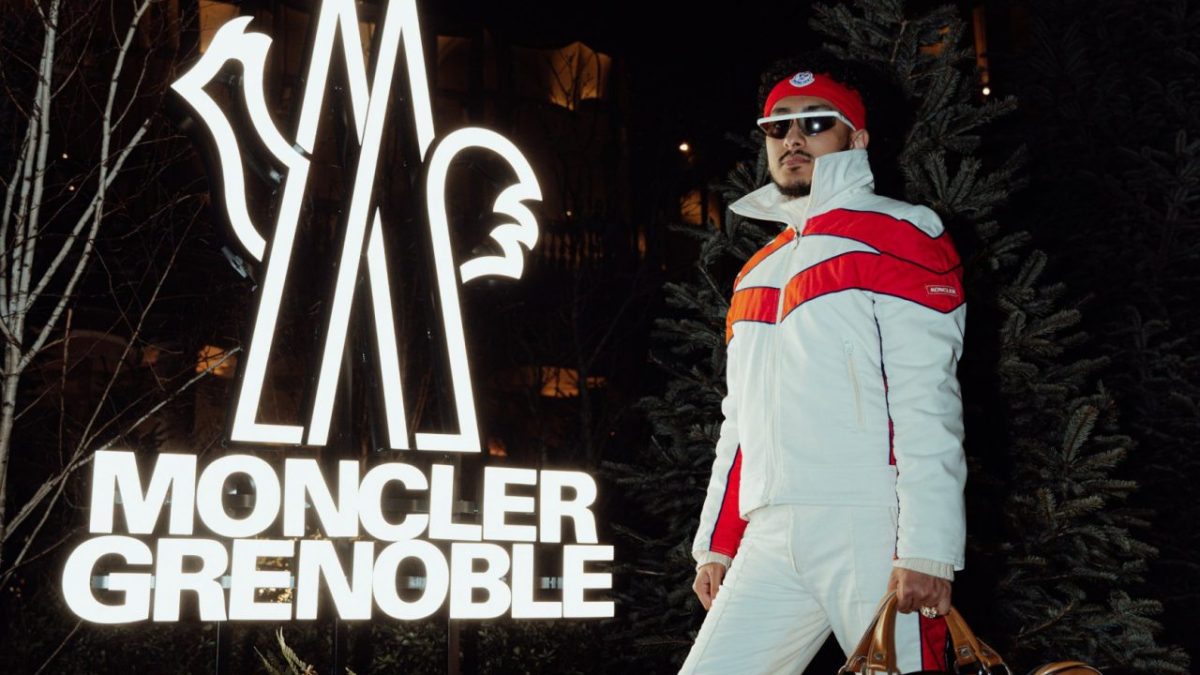
There is no shortage of offerings for those thinking about getting into investing: stocks and shares, gold, cryptocurrency and property have all attracted young buyers hoping to turn a profit. But some savvy collectors are turning to their hobbies to build up physical portfolios – and building huge sums of wealth in the process. Investing in collectables such as vinyl records, designer clothing and artworks can be a way to combine a personal passion with potential financial returns – although it requires knowledge, research, patience and a bit of luck, something Dylan Patel, 26, has found out. At 16 years old, Dylan was desperate to own a jacket from Moncler, a high fashion brand specialising in outerwear. But with prices starting at four figures, Dylan, realised he would have to get creative. Shorts It was while visiting an aunt in Los Angeles that he found a vintage shop on Melrose Avenue selling decades-old luxury clothing that nobody else seemed to want. Back in the UK, he started hunting down vintage Moncler pieces, which were far cheaper than on the high street, and quickly developed a passion for clothing that first hit the shops almost a century ago. “First the smell hits you; it’s kind of like smelling old comic books,” he says. Dylan used his university student loan to buy all the vintage Moncler items he could find. To date, he has spent roughly £80,000 on items he estimates are now worth more than £1m. So far, his most profitable sale has been a 1950s mountaineering jacket which he purchased for £80 and sold for more than £8,000. Dylan credits his success to stumbling upon a market that few others saw any value in. He has even managed to turn his hobby into a career and has been involved in building Moncler’s official heritage department, consulting for the brand and allowing it to buy duplicates he has acquired for its archive. To anyone hoping to follow in his footsteps, having a passion for what you are collecting is essential, says Dylan: “The feeling I get with vintage clothing is like being Indiana Jones. It’s like you’re finding a holy grail, just holding it. You cannot get that from a modern-day product.” One Hermes Birkin handbag recently set a new record when it sold at auction for £7.6mn – compared to a typical price of about £10,000 for a new bag. The 1984 model had originally been owned by the model Jane Birkin, for whom it was designed. Dylan Patel used his university student loan to buy all the vintage Moncler items he could find But it’s not just fashion. Sam Davidson, 24, inherited a keen interest in art from his mother, who was a collector. After attending an exhibition and finding out about the London Art Exchange he decided to invest £10,000 of his own money. Sam, a currency trader from West London, has now spent about £80,000 building his collection and estimates his four pieces have already grown to a combined value of £120,000. Art can be a notoriously fickle business and Sam decides what to buy using a mixture of his own judgement and help from an adviser at the London Art Exchange. “You need someone who is an expert in the field that can guide you,” he says. When deciding what to buy he considers the artist’s public profile and how effectively they promote themselves, as well as their sales track record and the scarcity of their work. “Anyone can get a canvas and start painting and claim it’s worth £100,000, but if they haven’t got auction results, the artwork is not going to be worth as much,” says Sam. Unlike investing on the stock market, collectables are known as “illiquid assets”, which means you can’t buy and sell them at a moment’s notice. For that reason, investors may need to be patient to get the best returns. Using reputable dealers and specialist auction houses is often a good idea when buying and selling to ensure you get the best deal and can be confident the item is genuine. But bear in mind that profits – and even breaking even – are far from guaranteed. The value of a collection is only ever worth what others are willing to pay for it, and levels of hype can fluctuate significantly from one week to the next. Storage and insurance costs can also eat into profits. “Collectables such as watches, classic cars, handbags and fine art can be attractive stores of wealth, but people often underestimate the risks beyond the initial purchase price. Valuations can be uncertain and there are also practical considerations around liquidity, insurance, storage and being able to prove provenance,” says Daniel Rourke of IMD Solicitors. Marina Vassilopoulos collects vinyl records, which have appreciated in value, but she is not looking to sell them Marina Vassilopoulos bought her first vinyl record after a concert where the band was selling a limited run of splattered vinyls. Since then, Marina, 32, has become hooked on buying limited edition vinyl from labels specialising in one-time pressings, such as Blood Records and Dinked. She pays about £30 for each record, and they usually come with additions such as merchandise or signed cards. Sales at record shops such as Rough Trade in East London and lucky finds at charity shops have helped Marina grow her collection to 250 records. She has spent around £2,000 in total, but estimates that her collection is worth roughly four times as much, thanks to the rarity of most of her records. Marina, who lives in Manchester, encourages would-be collectors to put down their screens and get out into the real world to find experts and collectors, who can offer advice. “It’s always the really cool eccentric people in vinyl shops who end up recommending stuff you’ve never heard before,” she says. Having a strong knowledge of a field – for example, which bands and music labels are growing in popularity – is also a big plus. But she has no plans to sell her records any time soon – especially as Blood Records threaten customers who resell their products with lifetime bans. “Potentially my collection could be an investment for the future, where one day I’m old and think OK, I’m going to sell all of these. But as it stands, it’s just a hobby that I really enjoy,” she says. This is a good attitude for any collector to have, as there are no guarantees that any item will bring bumper profits. The value of items can rise and fall depending on the latest fashions and trends, or even which celebrities are associated with the brand. For example, trainers were once hugely popular among collectors, with some hoarding them away with hopes to resell them for major profits. But limited edition pairs that were once coveted by collectors and fetched premiums of more than three times their retail price now struggle to find bids. “Nowadays, that’s not the case,” Mike Sykes, a fashion journalist told US broadcaster, NPR. “People aren’t willing to do that anymore.” He adds: “While alternative assets can form part of a broader wealth strategy, there are risks in having too much wealth tied up in a single collection or niche market, particularly where values can fluctuate with consumer demand and market sentiment.” He advises keeping detailed records of acquisitions, valuations, provenance, insurance and ownership to protect the value of a collection and avoid complications when you come to sell.
‘My art now is worth £120,000’: The young collectors turning hobbies into profit
Full Article
Original Source
Read the full article at Inews →KhanList aggregates and links to publicly available news content. We do not host full articles from third-party sources. Always verify important information with original sources.