
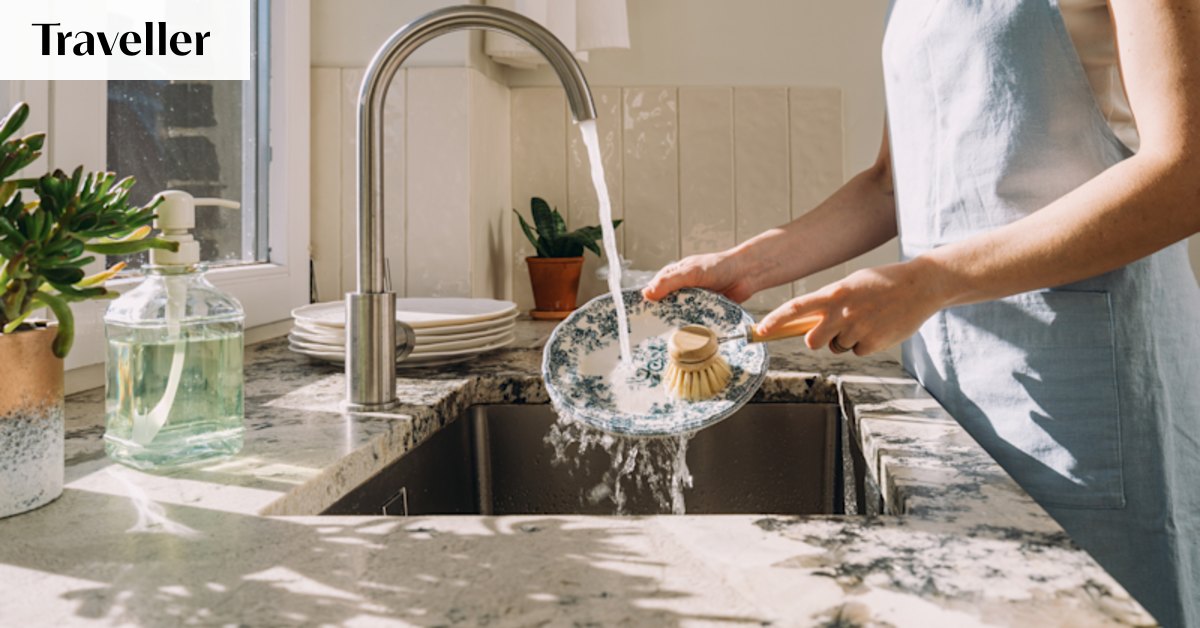
OpinionTravel writerOctober 23, 2026 — 11:35amOctober 23, 2026 — 11:35amI copped a complaint from an Airbnb host once, someone who wasn’t happy with my family’s behaviour while staying at her Bologna apartment.It was the state we left the place in. Rubbish everywhere. Well, the rubbish was all in the bin, but still, the bin liner was left in its place. And the kitchen was trashed. Well, there were some crumbs left on the kitchen bench, which hadn’t been perfectly wiped down, but it was enough to provoke outrage.There’s one sentence in particular in her review of my stay that always jumped out at me as strange.Some hosts in online forums say they will raise prices to cover the extra cost of cleaners doing the dishes and taking out the rubbish.Getty Images“My apartment is not a hotel,” the upset owner wrote, “even if it is paid.”There’s always seemed to be a misalignment between Airbnb hosts and their guests, who are renting apartments and houses for short-term stays.Sign up for the Traveller newsletterThe latest travel news, tips and inspiration delivered to your inbox. Sign up now.To many hosts, this is a collaborative arrangement, a mutually beneficial deal where both parties look after each other in a personal way that you would never get with a hotel. I have you stay in my house, you look after it.To many guests, meanwhile, they’re paying a lot of money, so if you want all the dishes washed and the beds stripped, you can do it yourself.Airbnb, apparently, was listening because the platform has just introduced a raft of new rules for hosts, and the expectations on guests have changed.Effective for all reservations booked on or after November 20 this year, hosts can no longer demand that guests do anything that could be classed as “heavy chores”: that is, jobs like stripping the beds on departure, washing and putting away dishes, putting on loads of laundry or taking rubbish off-site.All house rules must now be clearly visible upon booking, with no extra restrictions sprung on guests on arrival. And no self-imposed fines may be levied on guests breaking those rules.A quick scan through Airbnb hosts’ forums on Reddit, and social media posts on the subject, confirms that these new rules aren’t exactly popular with hosts, who rely on the work being done by guests to ensure a fast turnaround on check-out day and a cheaper cleaning bill – even though some guests are still charged a cleaning fee on top of their standard rental rate. There are plenty of promises to raise prices now to cover the extra cost of having cleaners do the dishes and take out the rubbish.“Her apartment might not be a hotel, but the price is similar – and now the rules are, too.”Those forums also reveal the general mood among guests: good.This expectation of heavy chores harks back to a time when a holiday rental really was staying in someone’s house, at a much cheaper rate than you would have to pay for multiple hotel rooms, and you would treat it the way you would a friend’s home. That used to happen well before Airbnb, and it continued when the platform was just a small San Francisco-based start-up.It was cheap to rent an apartment in those early days, and an exciting alternative to standardised accommodation. It took travellers into locals’ lives, into their neighbourhoods, into the heart and soul of a city or a rural area.But that has changed markedly over the years. No one lives in the properties rented out on Airbnb any more (or at least, it’s rare). These are investments, furnished by Ikea and kept clean by companies created for that purpose, with apartments essentially functioning like hotels, even if the original idea was to stray far away from that.And then they started charging like hotels as well. The days of the cheaper alternative have long since disappeared. Short-term home rentals are still different, attractive particularly for families who need the use of a kitchen and a washing machine, but it’s not a bargain any more.No doubt guests have noticed that, and started bristling at the orders to do the dishes and strip the beds before they check out. A hotel would never ask you to do that, and in some cases those hotels are cheaper. There’s no set of house rules in a hotel telling you that you can’t use the good china. So why don’t you just stay at a hotel?That’s the crux of these rule changes, the thorny issue I have no doubt Airbnb is addressing. If travellers are having to pay the same price as a hotel room, or in some cases far more than traditional accommodation, why are they being asked to do all the housework?Short-term rentals no longer feel like a cosy, collaborative relationship. They feel like a corporate transaction. The owner has an investment strategy and a marketing plan. The apartment looks like a flatpack come to life.No doubt my host back in Bologna will be unhappy about these changes. She’ll have to take the rubbish bags down to the bin herself now. Maybe even wipe a few crumbs off the kitchen bench.Her apartment might not be a hotel, but the price is similar – and now the rules are, too.Ben Groundwater is a Sydney-based travel writer, columnist, broadcaster, author and occasional tour guide with more than 25 years’ experience in media, and a lifetime of experience traversing the globe. He specialises in food and wine – writing about it, as well as consuming it – and at any given moment in time Ben is probably thinking about either ramen in Tokyo, pintxos in San Sebastian, or carbonara in Rome. Follow him on Instagram @bengroundwaterConnect via email.From our partners
My Airbnb host said I ‘trashed’ her flat. Why? I left some crumbs
Full Article
Original Source
Read the full article at Smh →KhanList aggregates and links to publicly available news content. We do not host full articles from third-party sources. Always verify important information with original sources.