
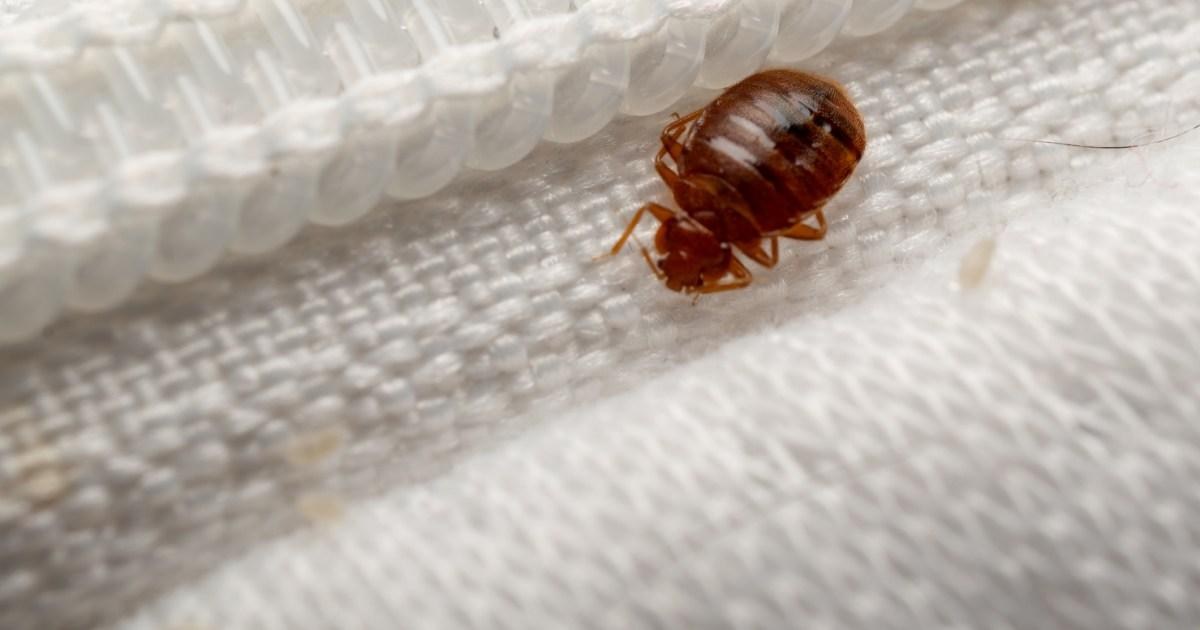
The bugs are experts at hiding (Picture: Getty Images) As if flies, silverfish and scabies weren’t enough, ‘mutant’ bed bugs can now be added to the growing list of infestations to hit the UK this year. Back in June, Metro revealed cases were up 40% since 2025 in one London borough, with pest controller James Rhoades reporting a twofold increase in bed bug callouts over the same period. To make matters worse, these parasitic insects now often appear to be resistant to many of the chemicals traditionally used to kill them. According to world-renowned bedbug expert Chow-Yang Lee, ‘the insecticides used to kill bedbugs increasingly fail to do so’ — and this is ‘probably the single most important reason’ infestations have ‘increased dramatically over the year’. More recently, social media has been awash with Brits saying they’ve found them on their clothes or in their homes — particularly those living in London. On Reddit this week, maneatingalligator posted they were currently dealing with a bed bug issue, and had struggled to find an exterminator as most were fully booked. What are bed bugs? Bed bugs, from the family Cimicidae, primarily the genus Cimex, feed on blood using mouth parts that saw through the skin and inject saliva with anticoagulants and painkillers. They typically feed at night around every five to seven days, although they can survive up to 70 days without feeding. These reddish-brown parasitic insects — which typically grow to about the size of an apple seed — hide in mattresses, bed frames, furniture and cracks around the home, making them difficult to spot and remove. Their bites can cause itchy red marks, although some people have no reaction at all. Female common bed bugs can lay up to 10 eggs per day and between 200 and 500 eggs in their lifetime A number of others replied sharing similar experiences, including CarlosBiendiaSE who said their whole office has been told to WFH due to an infestation. Commenters also speculated on where the critters may be coming from, with many suggesting the capital’s transport network isn’t just being used by human passengers. ‘I was bitten by one on the Central line,’ wrote DeeplyFrippy. ‘I tend to stand on the Tube now.’ Ask Metro Use AI to go deeper into the stories you care about – powered by Metro and trusted publications. Another, puzzledncurious, claimed they’d found one crawling up their neck that very day and were ‘100% sure’ it was from District line,’ while 0psUpsideMeHead said: ‘There is a problem on London Tubes and buses at the moment. They aren’t cleaning them often enough.’ ‘TfL really needs to stop using cloth seats,’ added awfulnaut. ‘Hard, smooth plastic ones that are moulded properly can be very comfortable, clean, and prevent this sort of thing.’ Latest London news Some claim they’re hitching rides on London’s public transport network (Picture: Getty Images) In response to these accusations, a TfL spokesperson tells Metro: ‘We are not aware of any recent sightings of bedbugs on the transport network in London, but we are not complacent and closely monitor our network and take all possible precautionary measures… ‘We would like to reassure our customers that we continue to maintain our already high standards of cleanliness, so our staff and customers can use the network safely and with confidence.’ They highlight that TfL’s Tube trains receive daily pre-service cleans, which includes all seats, floors and surfaces. Any seats not deemed fit for use are replaced, with staff briefed on how to effectively identify bed bugs and told to immediately report back if they were to be found. Beyond this, the likes of window ledges, windows, and interior panels then receive a deeper clean every three to four days, while a full clean of both the exterior and interior is carried out every 21-28 days. How bed bugs spread Even if bed bugs are finding hosts on public transport, this doesn’t mean it’s because the seats aren’t clean. In fact, hygiene makes little difference to them; it’s all about being close to a suitable host. These miniature hitchhikers typically latch on to luggage and clothing, before making themselves at home in yours. Many people don’t notice them until they bite (Picture: Getty Images/iStockphoto) Paul Blackhurst, head of technical academy at Rentokil Pest Control, explains the reason they’re able to spread so well is because they’re ‘experts at staying hidden and avoiding detection.’ ‘They’re often described as silent assassins, emerging under cover of darkness, moving quickly, feeding at night, and hiding in the smallest cracks and crevices near where people sleep,’ he says. ‘By the time people realise they’re there, an infestation may already be well established.‘ How to spot bed bugs in your home — and get rid of them The fear you may be sharing your home with these pesky pests is a common one. Last year, 28,800 Brits took to Google to find out how to spot bed bugs in their homes. First off, it’s important to note that prevention is better than cure here. After a trip away, Rentokil recommends washing all clothing, including unworn items, at minimum 60°C, alongside checking luggage carefully before storing, paying particular attention to their seams. What do you think about the bed bug infestations in London? They are a serious problem that needs addressing.Check It is exaggerated, and not a major concern.Check It's inevitable in a big city like London.Check Day-to-day, a quick inspection of your belongings when you get home is sufficient, and if you’re especially concerned, washing your ‘outside clothes’ at a high heat right away will get rid of anything you might have missed. Signs you’re too late, and are now dealing with a bed bug infestation, include: Small, itchy red bites, often in lines or clusters on exposed skin. Rust-coloured blood stains (from crushed bugs) or tiny dark spots (bed bug excrement) on bedding and furniture. Translusent pale yellow exoskeletons left in the crevices of your mattress, headboard, or furniture. A distinct, musty odour. Usually a signal of a heavy infestation, this is described as a sweet, sickly, or sometimes woody, coriander-like smell. If you confirm any of these signs, don’t be tempted to move infested items out of the room. Immediately take all affected fabric items to the washing machine in sealed plastic bags and put through a high heat cycle, before vacuuming non-washable items using the crevice tool and disposing of the bag or emptying into the bin. Bed bug excrement can leave small stains on soft furnishings (Picture: Getty Images/iStockphoto) From there, buy a bed bug-specific zippered encasement (effectively a bag that traps any bugs inside and prevents them from biting you or escaping) for your mattress and call in the professionals to do the rest. This isn’t one for you to try and handle on your own. According to Prof Lee, many people nowadays are ‘fall[ing] back on cheaper sprays, including shop-bought foggers and aerosols that barely work.’ ‘Every one of those partial treatments does two unhelpful things: it leaves enough insects alive to keep the infestation going, and it kills only the susceptible individuals, leaving the resistant ones to survive and breed,’ he explains. When it comes to dealing with bites, a cold compress and a disinfectant wipe or wash should help, although some may need to use mild hydrocortisone cream or antihistamines to calm an allergic reaction. While the NHS says bedbug bites usually clear up within about a week, anyone whose bites remain very painful, swollen or itchy after pharmacy treatment should contact their GP, particularly if the pain or swelling starts to spread. Do you have a story you’d like to share? Get in touch by emailing MetroLifestyleTeam@metro.co.uk Arrow MORE: Exact salary you need to earn in each major UK city for peak happiness Arrow MORE: Rogue landlord pair fined after 21 people crammed into house overrun by cockroaches Arrow MORE: ‘I make art on wads of old chewing gum – it’s taken me all over the world’
‘Mutant’ bed bugs are infesting the UK — and Londoners blame the Tube
Full Article
Original Source
Read the full article at Metro →KhanList aggregates and links to publicly available news content. We do not host full articles from third-party sources. Always verify important information with original sources.