
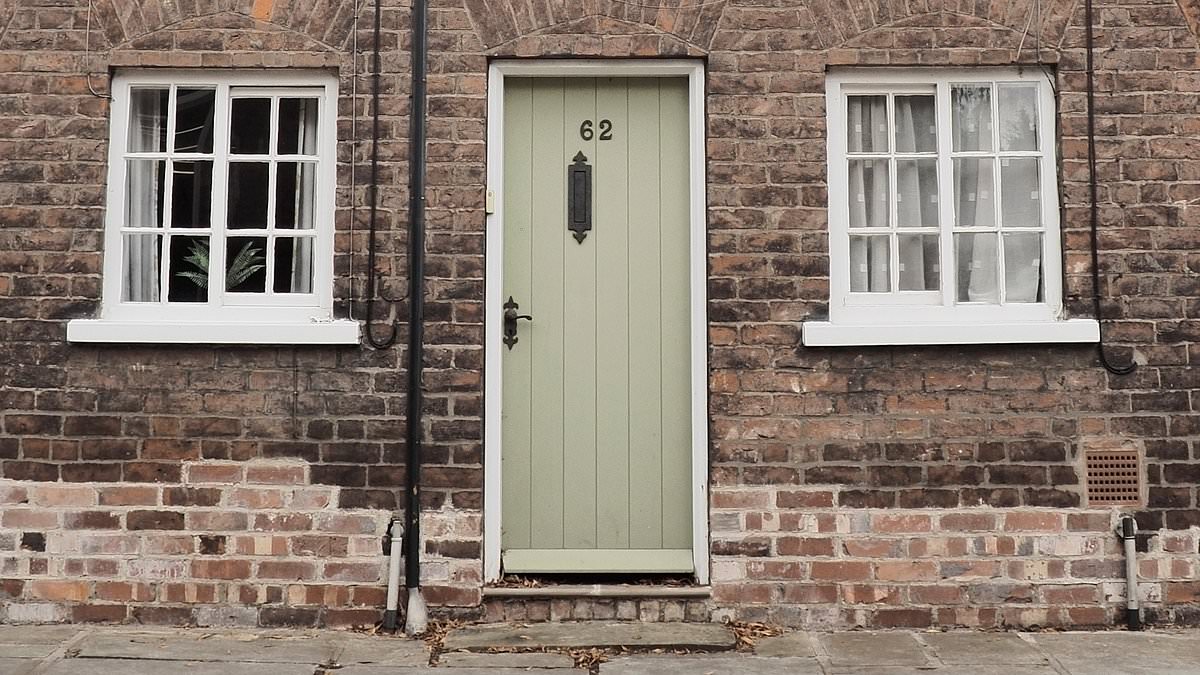
My mother owned her house outright and it was worth between £150,000 and £200,000. My sister lived with her when she died and paid minimal rent if any. I also have two brothers.When my mum passed in 2020, the rumour was she was leaving it to my sister as she had nothing. She didn't tell me or my brothers.My sister has now lived there for six years on her own. She hasn't made any significant improvements to the property. She's more or less unemployed.Probate hasn't been started, she says because she can't be bothered. No will has been seen by anyone. I don't even know if one existed.One of my brothers, who was estranged from my mum and sister, has now brought this up. He's found out the house is still in my deceased mum's name.I suspect a couple of things. My mum did have a will and my sister is too bone idle to do anything. Or, there's no will and the property should be split amongst the siblings.If the latter is the case, I'm guessing my sister hasn't done anything as she's been living rent free for six years and fears she'd be made homeless. Unresolved inheritance: Sister has lived in house since mum's death, but does she own it? (Stock image)To be honest, I'd be happy for her to stay living there rent free until she died. Any inheritance would be more for my kids than me.She's ten years older than me and not in great health. I know if I bring it up, she'll blow her top. I only see her when I visit my elderly dad (divorced many years ago).She has an adult son who is married with his own property. Her plan is to leave the property to his kids, assuming it's been left to her.Would you have any advice going forward from a legal point of view.Tanya Jefferies, of This is Money, replies: While it might be understandable your sister and the rest of your family have let this matter drift, you will have to sort it out eventually.Working out who inherited the house and any other assets from your mother – either via her will or the intestacy rules if there wasn't one – will have to happen at some point. Therefore, it is best for you to take the lead and get on with it now.We asked a lawyer with experience in this area to explain the steps to take next. She lays out the usual ways to search for a will, since it's not uncommon for families to be in the dark over whether there was one and where to look.She also offers some useful suggestions on what to say to your sister, but it is also worth consulting a solicitor yourself and if necessary asking them to communicate with her or arrange family mediation.Since you appear willing for your sister to remain living in the house, if she turns out not to have inherited it but still has other valid claims on your mother's estate, mediation might be a good option to settle this and avoid a costly legal dispute. The Law Society has a search tool to find a suitable solicitor in your area.Tamsin Walker, inheritance disputes legal director at Lime Solicitors, replies: Six years is a long time to leave this unresolved.You can ask what happened to your mother's estate without demanding that your sister pack her bags.From what you say, you would be happy for her to stay. But you need to know who owns the house before anyone starts deciding what will happen to it.Start by looking for a willFirst, someone needs to find out whether your mother left a will and who is entitled to deal with her estate. You have heard that she intended to leave the house to your sister, but nobody has seen the document.For now, that leaves the family working on an assumption.Search the public probate records and contact any solicitor, accountant or bank your mother may have used.If no will turns up after reasonable enquiries, the estate may need to be dealt with under the intestacy rules, which govern inheritance when there is no valid will.Until that has been investigated, I would be wary of assuming either that your sister owns everything or that the house must be divided between the siblings.Will your sister inherit the houseHer six years in the house do not, on their own, make her its owner. Nor does failing to sort out the paperwork mean she loses whatever inheritance she may be entitled to.I can see why her apparent reluctance to do anything is frustrating, but it does not settle the legal position.There may also be more to consider than the will. Your sister could potentially raise three types of claim, depending on the circumstances and the evidence.One is that your mother promised her the house and she relied on that promise to her disadvantage. Perhaps she gave up work, provided substantial unpaid care or spent significant money on the property because she believed it would become hers.Those are examples of matters that would need looking into, rather than reasons to assume she has a claim.She might also argue that she acquired a financial interest by contributing substantially to the purchase, mortgage or improvements.However, you say she paid little or no rent and has made no significant improvements. Modest rent payments, household bills and ordinary living expenses would not usually be enough by themselves.Then there is the possibility of a claim for reasonable financial provision from the estate. She qualifies to bring a claim on two separate bases: first, as an adult child; and secondly, as someone maintained by your mother, given that she lived at the property while paying little or no rent.Her financial circumstances, health, housing needs and the extent of her dependency on your mother may be relevant to the court's assessment of her claim.You mention that she is in poor health and has little employment. Those details may matter, even if other members of the family feel she should have done more to support herself.That would not automatically mean she was awarded the house. Provision might instead be a lump sum, or a right to live there for a set period or for life.None of these claims can simply be taken on trust. Bank statements, invoices, messages and accounts from people who knew about any arrangements could all be relevant. The fact that she has stayed put is not enough to decide ownership.What should you say to your sisterAs for raising it with her, I would keep the conversation focused on your mother's estate. Explain that it needs to be dealt with and ask your sister to set out what she believes she is entitled to, and why.If you think that conversation will immediately turn into a row, a solicitor can approach her.If she cannot establish a right to the property, the person appointed to administer the estate can require her to leave and, if necessary, seek possession through the courts.Your willingness to let her remain may give the family another option, once everyone's rights are clear.Do not promise her a home for life just yet. You first need to know who inherits, whether she has a valid claim, and what debts or tax liabilities the estate may have.If the beneficiaries agree that she can stay, put the arrangement on a proper footing. An appropriate trust, life interest, lease or occupation agreement should cover who pays for insurance, repairs and council tax, and what happens if she moves out, needs residential care or dies.Mediation may help if the family struggle to agree. You can be sympathetic to your sister's circumstances and still insist that this is sorted out. Leaving it unresolved will not give either of you the certainty you need.
Mum died six years ago and my sister is still living in her house - but did she actually inherit it?
Full Article
Original Source
Read the full article at Dailymail →KhanList aggregates and links to publicly available news content. We do not host full articles from third-party sources. Always verify important information with original sources.