
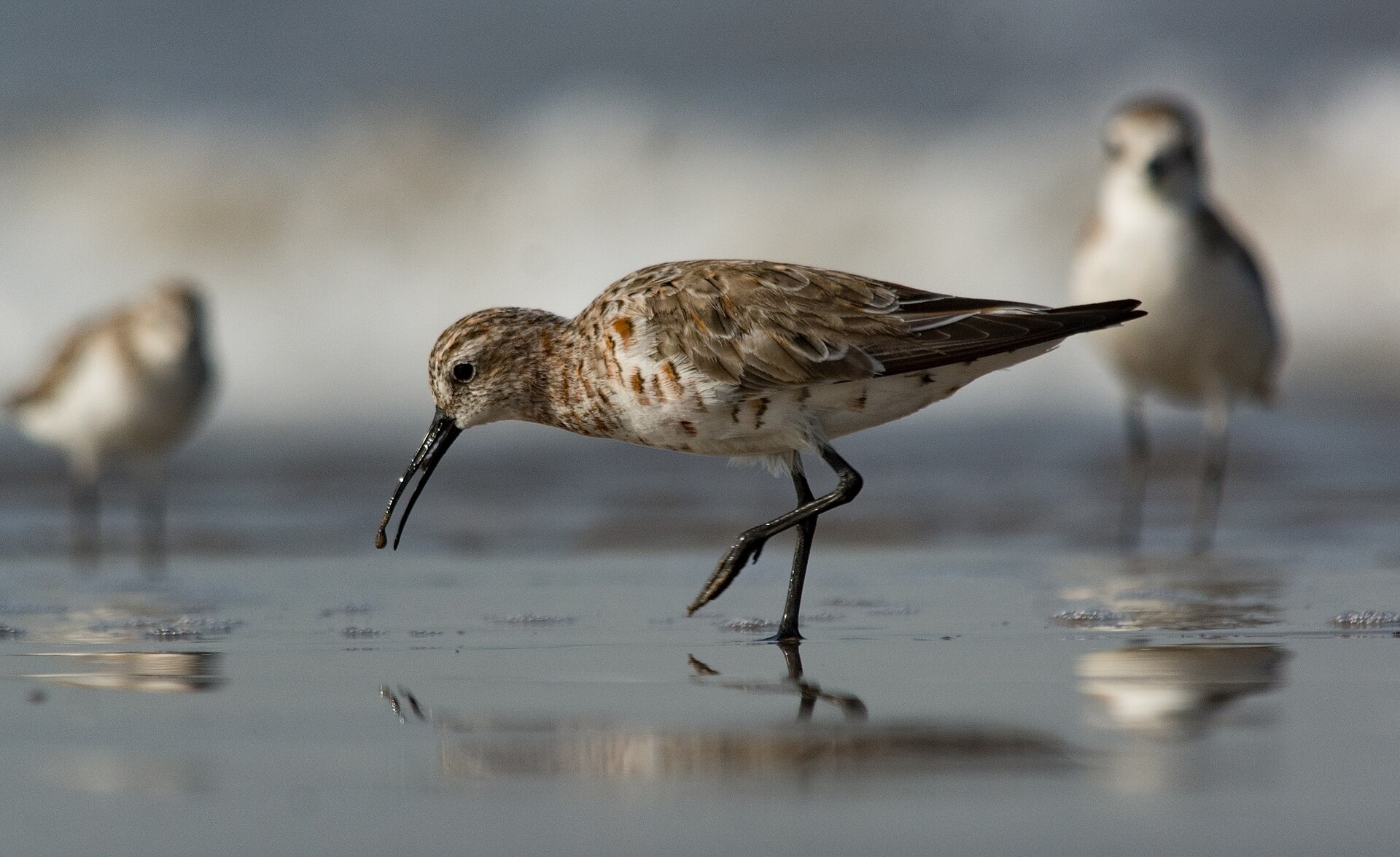
A recent State of the World’s Birds report found nearly half of the migratory birds assessed are declining. The stark finding comes as world governments are gathered in Armenia for the ongoing U.N. Biodiversity Conference to review progress toward global conservation goals. In southern Mozambique, Maputo National Park illustrates the biodiversity importance of conserving key habitats for migratory birds offering food, rest and shelter for species traveling thousands of kilometers between breeding and wintering grounds. The park’s diverse ecosystems include coastal lagoons, wetlands, mangroves, freshwater systems, intertidal mudflats and extensive shorelines — all supporting a wide range of migratory and resident birds. Its location along the southern African coast makes the park an important part of the network of habitats that sustain birds throughout their annual journeys. “The park bridges the gap between Eurasian breeding grounds and southern African over-wintering zones,” Alex Ngari, migratory birds and flyways programme manager with BirdLife International Africa told Mongabay by email. The park lies within the Maputaland Centre of Plant Endemism, a global biodiversity hotspot. ‘’It provides a safe place for exhausted birds to replenish their energy after long-distance flights,” Ngari said. He offered the example of the vulnerable to extinction curlew sandpiper (Calidris ferruginea), a migratory shorebird that breeds in Arctic regions and migrates to southern Africa where it feeds on invertebrates in the park’s mudflats for the winter. The park’s marine and inland waters, coastal lakes and lagoons also provide seasonal habitat for osprey, Madagascar bee-eaters, flamingos and several heron species, he added. Maputo National Park was established in December 2021 after years of civil war in the region. Terrestrial and marine reserves were combined into one protected area covering approximately 1,700 square kilometers (656 square miles). More than 5,000 animals have been translocated to the park since 2010 as part of wider restoration efforts that include dune stabilization, anti-poaching enforcement and habitat restoration. The conservation program is a co-management partnership between Mozambique’s National Administration for Conservation Areas (ANAC) and Peace Parks Foundation with input from local stakeholders. “Local communities are increasingly involved in activities such as mangrove restoration, fisheries management and environmental monitoring,” Bartolomeu Soto, regional liaison manager at Peace Parks Foundation told Mongabay by email. He added that lasting conservation depends on healthy ecosystems that also support food security, livelihoods and economic opportunities. The park is part of a UNESCO World Heritage landscape along with iSimangaliso Wetland Park. However, Ngari stressed that protecting individual sites isn’t enough; birds depend on connected networks of breeding grounds, stopover sites and wintering habitats across international borders. “The East Atlantic Flyway stretches from the Arctic through Europe and West Africa all the way to South Africa, connecting roughly 75 countries and supporting about 90 million birds,” Ngari said. Local protection in southern Africa, isn’t enough if critical stopover, breeding or wetlands are destroyed elsewhere along the migration route, he added. Banner image: A Curlew sandpiper. Image courtesy of Vedant Raju Kasambe via Wikimedia Commons (CC BY-SA 4.0). Credits Topics
Mozambique’s Maputo National Park showcases biodiversity and shelters migratory birds
Full Article
Original Source
Read the full article at News →KhanList aggregates and links to publicly available news content. We do not host full articles from third-party sources. Always verify important information with original sources.