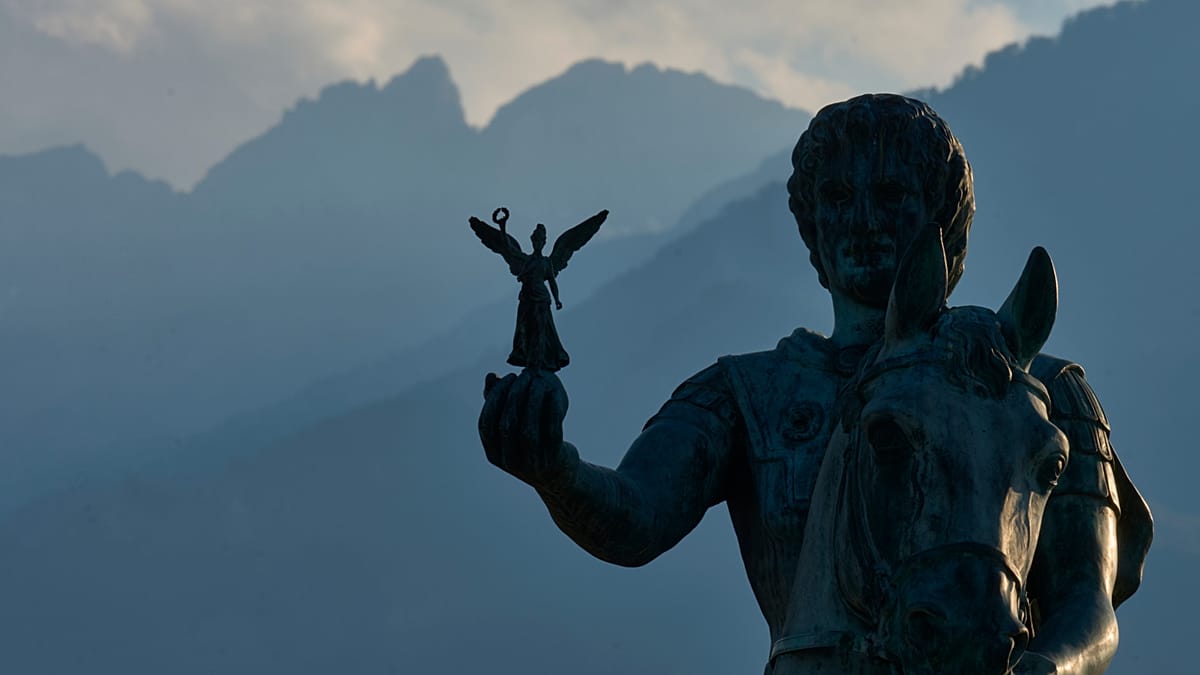
Published on 26/07/2026 - 12:21 GMT+2 Mount Olympus has been inscribed on UNESCO's World Heritage List. ADVERTISEMENT ADVERTISEMENT The mythical Greek mountain was unanimously recognised as a natural and cultural asset of outstanding universal value to humanity during the 48th session of the World Heritage Committee, which has been meeting since 19 July in the city of Busan in South Korea. The inclusion of Olympus on the List "represents one of the most important international distinctions in the field of protecting cultural and natural heritage, as it recognises the outstanding universal value of the wider Olympus area, placing it among the most emblematic monuments," according to a joint announcement by Greece's ministries of Culture and Environment & Energy. "From today, the mythical Olympus becomes a mountain for all humankind, which must be protected forever. UNESCO's unanimous decision to inscribe it on the list of World Heritage sites is a national achievement of the highest order," Greek Prime Minister Kyriakos Mitsotakis stressed in a post. The inscription of Olympus, the mythical residence of the 12 Olympian gods, crowns a 12-year effort by Greece. The country's highest mountain, whose peak reaches 2,918 metres, is not only a unique natural landscape. For centuries it has been at the heart of Greek mythology, as tradition holds that it was the home of Zeus and the twelve gods of the ancient world. At the same time, it hosts a rich ecosystem, rare species of flora and fauna, as well as significant monuments that connect the area with history and culture. The D-Day beaches and Japan's ancient capitals At the same session, which examined dozens of nominations, the UNESCO List was further expanded to include the five beaches used for the Allied landings in Normandy, part of the campaign to liberate Western Europe from Nazi occupation during the Second World War. The International Council on Monuments and Sites, which evaluates applications for the World Heritage Committee, found that the area contains extensive remains of German fortifications, visible traces of bombardment and sunken ships, evidence of a historic event "that is considered to have enabled the return of freedom and heralded lasting peace on the European continent". A place on UNESCO's List was also granted to the ancient Japanese capitals Asuka and Fujiwara and to the Boma-Badingilo area of South Sudan, which hosts the largest terrestrial mammal migration on Earth, known as the Great Nile Migration and including, among others, around 6 million antelopes. Also inscribed were the historic theatres of the Marche region in Italy, the Royal Capetian fortress complex in Languedoc in France, the 13 emblematic architectural works of Aalto Works in Finland, the Waldsiedlung Zehlendorf in Berlin, an extension of the already listed complex "Siedlungen der Berliner Moderne" (transport and residential zones of Berlin Modernism), the Alamut Castle in Iran, the roças of São Tomé and Príncipe, historic agricultural estates dating from the 19th century, and the modern architecture of Tashkent.
Mount Olympus and D-Day beaches added to UNESCO World Heritage List
Full Article
Original Source
Read the full article at Euronews →KhanList aggregates and links to publicly available news content. We do not host full articles from third-party sources. Always verify important information with original sources.