
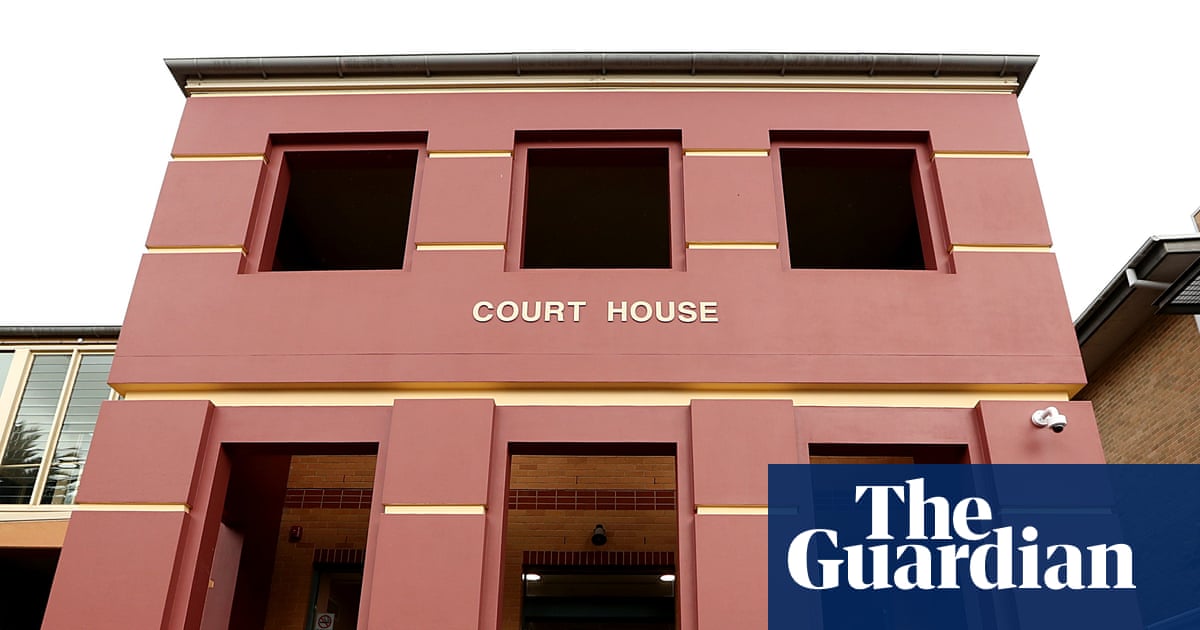
Baby B’s mother was so determined to have a home birth she ignored the advice of experts – including her own midwife, an inquest has heard.The inquest heard she was pregnant with twins, which she described as a “wonderful shock”, and didn’t want a hospital birth because she had heard of others’ traumatic experiences.The New South Wales coroner’s court in Lismore heard on Thursday that the local medical community in the Hunter Valley swung in to action, warning the mother – who cannot be named for legal reasons – that a home birth was risky while also preparing in case something went wrong.Baby B died of a bacterial infection, while the other baby got sick but survived.Baby B’s death is part of an ongoing inquest into the deaths of four babies – Baby R, Baby D, Baby DH and Baby B – who were born in free births or home births in NSW’s northern rivers region between 2022 and 2024.The first three babies died after a free birth – where no medical professionals are present. By contrast, four midwives were part of the birthing plan for Baby B. The main midwife continued to support the woman.Sign up for the Breaking News Australia email “The alternative was that she would birth at home with no support whatsoever,” the midwife – whose name is suppressed – told the court.The court heard that expert opinion found that the midwives’ treatment was “reasonable and appropriate”, which was a clear distinction from the other three births being examined at the inquest.“It will also be clear from the expert evidence that a home birth was still considered by the experts to be not suitable in the circumstances,” the court heard.Expert witness, Prof Hannah Dahlen, said that was because it was a twin pregnancy, that it had continued beyond 41 weeks, that there had been no specialist review, that the family were far away from the hospital, and that “there was a possible need for urgent operative birth and the need to provide simultaneous skilled care and resuscitation for two babies”.But the mother declined multiple checks, and her distrust of the medical system was only reinforced as the pregnancy progressed.She had scans at 12 weeks and at 22 weeks, but chose not to have hospital antenatal care, or to consult with an obstetrician. A local doctor followed up, but she told them she was doing well.Her midwife recommended monthly ultrasounds, and induction at 36 to 37 weeks. She declined. The midwife told the court she warned the mother about the risks at every visit.In evidence read to the court, the mother said she had always planned to have a home birth after hearing traumatic birth stories from other people.“I did a lot of research and found the midwives, so … I felt comfortable to still home birth the twins,” she said.She said she was “quite selective” finding midwives with home birth experience and had researched the experience online and in books.The court heard “a lot of staff” at the local hospital were concerned about the plan, and the ambulance service was worried enough to organise a second paediatric resuscitation kit. There was collaboration and communication between the midwife, obstetricians from the local hospital, and a local GP.skip past newsletter promotionafter newsletter promotionIn court, the midwife said the mother wouldn’t have hesitated to seek help if it was needed, and that she thought she could convince the mother to go to hospital, or at least somewhere closer to it.But then ambulance officers – and later, police – turned up at the home to do a welfare check, making the mother angry, upset, and more determined not to enter the health system.“She felt quite violated because they came to her home,” the midwife told the court. “They were coercing her to attend the hospital.”The mother went into labour at home, and the first twin was born successfully. Baby B “gave an initial gasp”, “appeared stunned” and needed help to breathe spontaneously.Everything seemed to be fine, the court heard. The mother said the next night she could hear the baby breathing, and did not notice any changes. But in the early hours of the morning, Baby B was no longer breathing. When emergency services arrived, they noted that Baby B was “pale, unresponsive and not breathing, with no pulse, although she was still warm to touch”.Hospital records show continued they continued to work for 45 mins to save her once she arrived there, but she was flatlining. Her blood sugar and temperature were low, and she died.By that stage, the boy twin was limp and grey. He likely had the same infection but it was less severe, and he survived.The midwife said she surrendered her registration after the death, both because of its effect on her and because of the way the health system treated her.She said she wasn’t told when Baby B died. When someone from the hospital rang to ask about the surviving twin, she assumed they were asking about Baby B and asked whether she was being transferred to a bigger hospital.“Oh, she’ll be going to the coroner,” the midwife was told.The inquest continues.
Mother whose twin baby died was determined to have home birth despite advice of experts, NSW inquest hears
Full Article
Original Source
Read the full article at Theguardian →KhanList aggregates and links to publicly available news content. We do not host full articles from third-party sources. Always verify important information with original sources.