
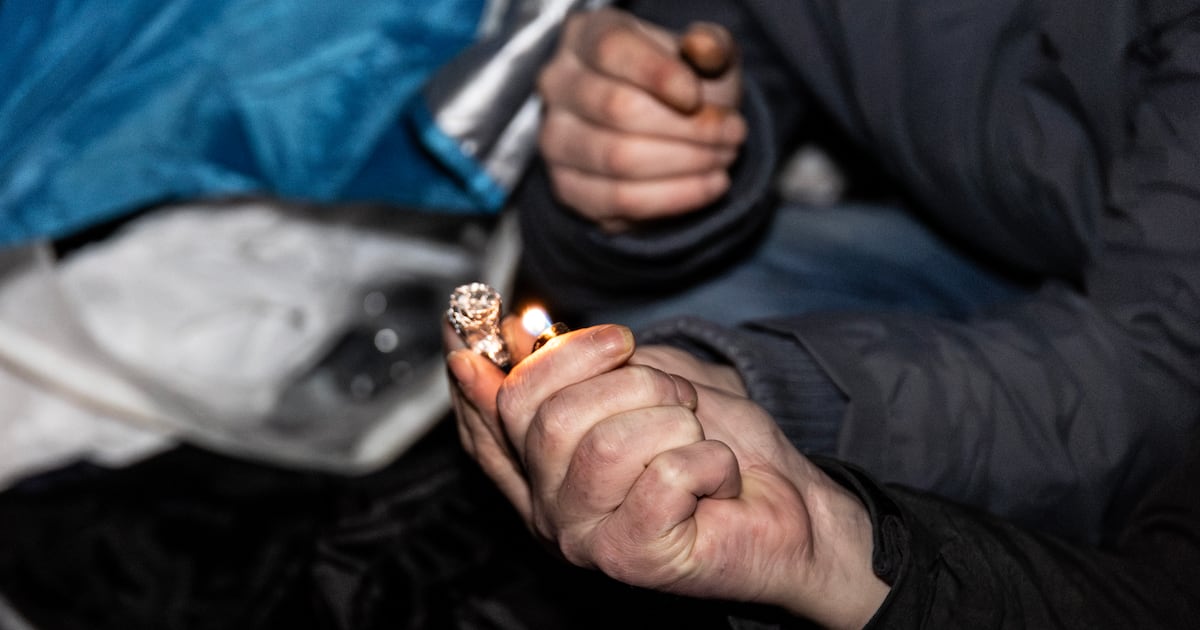
More than half of those presenting to a national drug treatment centre with crack cocaine issues are women, according to the organisation’s latest report. For the first time, Coolmine Therapeutic Community, which works in the east, midwest and southwest of the country, has separately recorded crack cocaine presentations rather than including them within broader cocaine statistics. This provides a clearer picture of emerging trends and follows new National Drug Treatment Reporting System guidance requiring services to record whether cocaine use involves powder cocaine or crack cocaine, a smokeable form of the drug.At Coolmine, crack cocaine represents a relatively small proportion of overall presentations, accounting for 114 clients. But it makes up almost a quarter of all cocaine-related presentations. READ MOREData from the organisation’s second-quarter 2026 National Trends Report shows 57 per cent of those presenting with crack cocaine use are women, highlighting an emerging trend that differs from traditional patterns of addiction.The report, which was published on Tuesday, compares the first six months of 2026 with the same period last year. It shows that although the overall number of people accessing services has remained “broadly stable”, the nature of addiction continues to “evolve rapidly”.Regionally, crack cocaine remains relatively uncommon in the southwest, accounting for just 2 per cent of presentations, but is considerably higher in both the east and midwest, at 12 per cent.Overall presentations remain largely unchanged compared with the first half of 2025, with men accounting for 59 per cent of clients and women 41 per cent. Alcohol continues to be the most common substance among people accessing treatment, representing 34 per cent of presentations.However, powder cocaine has continued to increase and accounts for 29 per cent of presentations.During the first half of 2026, residential placements increased from 141 to 175, while the number of family members supported rose from 178 to 241, compared with the same period last year. It said engagement with the Traveller community also grew, increasing from 110 to 189 people supported. Residential support for children increased from 28 to 36, and the number of people graduating from Coolmine’s therapeutic community programmes rose from 15 to 23, reflecting the organisation’s continued investment in “recovery-focused, whole-family care”.[ The changing face of addiction: ‘Some people were first using drugs in their 50s and 60s’Opens in new window ]Although overall demand remains consistent nationally, services in the east have experienced increased activity, it said. Coolmine said the findings highlighted the need for continued investment in addiction treatment, prevention and family support services.“It is encouraging to see more families engaging with our services than ever before, reflecting growing recognition that recovery extends well beyond the individual,” Coolmine chief executive Pauline McKeown said. The centre’s deputy head of services, Anita Harris, said one of the most striking findings in this report was how addiction patterns continued to shift across different regions and demographics. “We’re seeing increasing complexity in the needs of people coming through our doors, with more women affected by cocaine-related harms and growing demand for integrated community-based support.”
More women than men seeking help for crack cocaine addiction at national centre, report finds
Full Article
Original Source
Read the full article at Irishtimes →KhanList aggregates and links to publicly available news content. We do not host full articles from third-party sources. Always verify important information with original sources.