
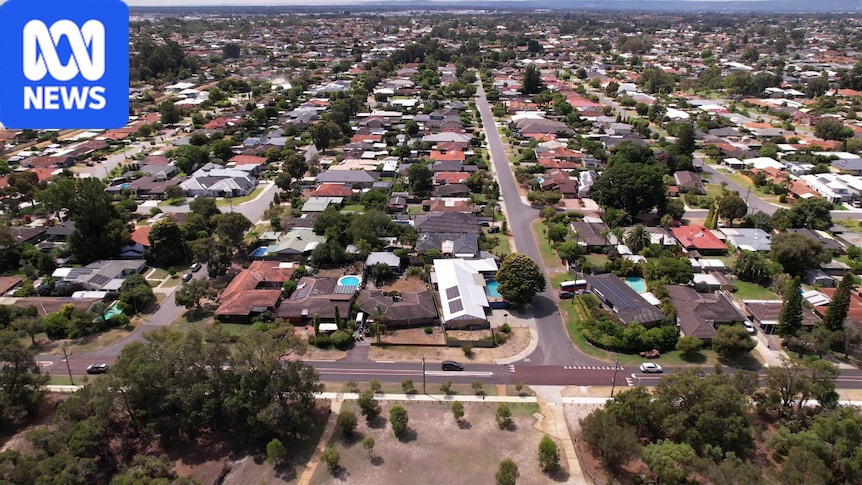
We all know about health risks such as smoking, drinking and eating too much sugar. But researchers say housing should be on that list too.An estimated 2.5 million Australians live in homes that harm their health and well-being, according to research led by the Healthy Housing Unit at the University of Melbourne.The research suggests poor housing can affect health in multiple ways.High housing costs can strain mental health, while damp, mouldy and poorly insulated homes can increase the risk of respiratory illness and make it difficult to stay safe during extreme weather.Healthy homes are free from mould, damp, toxic substances, unwanted noise and pests. They can be heated and cooled affordably, are well ventilated and secure, and do not expose residents to unnecessary injury risks.When those foundations are missing, the consequences can affect people's lungs, hearts, children's development and even life expectancy, according to Rebecca Bentley, director of the NHMRC Centre of Research Excellence in Healthy Housing."We can no longer afford to treat housing and health as separate," Professor Bentley said."Heatwaves and cold snaps mean residents of homes that are in poor condition, or where people are already struggling with housing costs, can find it difficult to keep indoor temperatures within a healthy range."Professor Bentley says mould is more common in Australian rentals than owner-occupied homes. (Supplied: Alina Golovachenko)Australian homes have long struggled to cope with extreme temperatures.A Cotality report from 2024 found homes built after 2010 had a median energy rating of 5.9 stars out of 10, compared with just 2.8 stars for older homes.A zero-star home is too hot in summer, too cold in winter and requires excessive energy to heat and cool, with lower-rated homes often compared to living in a tent.Researchers estimate that if mould exposure alone was addressed, Australia could save $3.8 billion in healthcare expenditure and gain $5.9 billion in productivity.Years-long search for answersFor years, Amy Charchar could not understand why her health was deteriorating.The Victorian renter said she cycled through hospitals, specialists and medical appointments as a growing list of symptoms began affecting nearly every aspect of her life.Those included a chronic cough, breathlessness, severe brain fog, orthostatic hypotension, joint pain and debilitating fatigue.By the age of 40, she was using a wheelchair and struggling with everyday tasks."If you spoke to me three years ago, I could not talk. My speech was slurred. I couldn't pick up a pen to sign my children's homework. It was devastating," she said.Amy Charchar visited a hospital 40 times within 12 months and was wheelchair dependent. (Supplied)Ms Charchar said she presented to hospital about 40 times searching for answers."Not one doctor said to me, 'Could it be your environment?'" she said.The breakthrough came after a chance conversation with an elderly woman in hospital prompted her to investigate whether mould in her home could be contributing to her symptoms."I honestly thought she was crazy."But we went home, I lifted up the carpet and passed out from the exposure."An independent hygienist later identified significant mould contamination in the property. Armed with the building report, Ms Charchar's doctors were finally able to connect years of unexplained illness to her living environment.She was subsequently diagnosed with chronic inflammatory response syndrome (CIRS), adult-onset asthma and other health conditions she believes were linked to mould exposure.CIRS is thought to be caused by mould or moisture damage.Three of her four children, all born while the family was living in the property, have since developed asthma.Amy Charchar found mould underneath carpet in her rental property. (Supplied)Professor Bentley said Ms Charchar's experience reflected broader findings showing renters often face greater exposure to housing-related health risks."People living in rental properties are more likely to report problems with mould and damp than owner-occupiers and also face more barriers to remediation," she said.Those already facing disadvantage are also often more likely to experience unhealthy housing."That includes people on lower incomes, renters, Aboriginal and Torres Strait Islander peoples, older adults, people with disability and people living with chronic conditions," Professor Bentley said.A healthy way forwardProfessor Bentley said tackling the problem would require Australians to rethink the role housing plays in society."Rather than seeing housing primarily in financial terms, we should consider it important health infrastructure," she said.She said Australia needed a national approach to minimum housing standards and renter protections, as well as a plan to ensure existing homes could better withstand a changing climate.While Ms Charchar says she is slowly recovering, she continues to live with lasting health impacts from the mould exposure.She hopes greater awareness will spare others from a similar ordeal."Mould is not a new story," she said."The government has failed miserably and what we need right now is proper legislation in place and for medical professionals to have the tools to be able to recognise when a patient walks in with 30-plus symptoms."
More than 2 million Australians living in 'unhealthy' housing
Full Article
Original Source
Read the full article at Abc →KhanList aggregates and links to publicly available news content. We do not host full articles from third-party sources. Always verify important information with original sources.