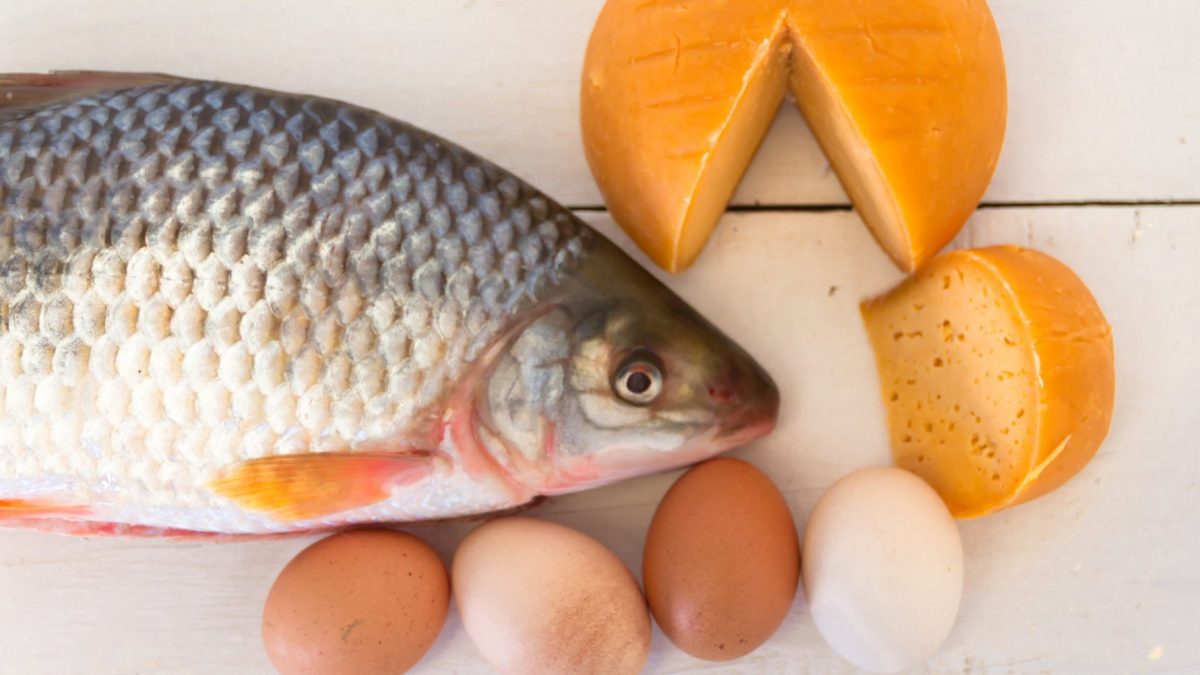
Fish is known to be good for your brain, and dairy for strengthening your bones. But what if not eating enough of these foods meant depriving your body of another crucial, yet overlooked, mineral? Research suggests iodine deficiency is on the rise in the UK, and not getting enough could put your thyroid function – which regulates your metabolism, energy levels, heart rate, and body temperature – at risk. The experts say a move away from dairy and fish could cause deficiency because both are rich in iodine, which is essential for producing thyroid hormones. “Thyroid hormones are involved in almost everything, from metabolism to energy levels to how a baby’s brain develops during pregnancy. It really is vital we get enough iodine – but not too much,” explains women’s health dietitian Cordula Henggeler. “Iodine deficiency is more common than people realise and it is one of those things that has quietly become an issue again here in the UK. However, we don’t tend to think about our iodine intake too much and awareness around it is pretty limited.” Shorts Who is most at risk? Dr Sarah Bath, associate professor in public health nutrition at the University of Surrey, wrote a review on the topic. As an expert in iodine deficiency in the UK, Bath says mild iodine deficiency is becoming more common, even though severe iodine deficiency is rare. “In the UK, iodine status has fallen over the last 10 years, particularly in girls aged 11 to 18 years. Studies have also shown that, on average, pregnant women in the UK are classified as mildly iodine deficient. “Unlike many countries around the world, the UK does not have a policy for salt iodisation, so most salt on the UK market is not iodised. Essentially, anyone who has a low intake of iodine-rich foods, such as milk and dairy products or fish, is at risk of iodine deficiency.” The rise of plant milks – that are not fortified with minerals and vitamins – are also a factor when it comes to mild iodine deficiency in teenage girls and women of childbearing age. “A lot of people have moved away from dairy. Vegans and vegetarians are particularly at risk of iodine deficiency, since so few plant foods contain iodine,” Henggeler says. Iodine and pregnancy “Given the key role thyroid hormones, and therefore iodine, play in processes such as growth and brain development, sufficient iodine intake is crucial during pregnancy and early life, and it is important that intake of iodine is optimised before pregnancy,” Bath says. “Even mild iodine deficiency during pregnancy has been associated with lower IQ in children.” “While many women know the benefits of consuming oily fish when trying to conceive and when pregnant, I would encourage them to keep some white fish in their diet for this reason as well,” Henggeler adds. Cordula Henggler: ‘White fish contains more iodine than oily fish, while oily fish like sardines, mackerel, salmon, anchovies is a better source of omega 3 – so it’s worth including both in your diet’ (Photo: Cordula Henggler) What happens if you don’t get enough? “The tricky part is that mild iodine deficiency does not always show up as an obvious symptom, and there is no reliable testing available,” Henggeler says. “A goitre, which is the clinical symptom of severe iodine deficiency, and can cause swelling of the neck due to an enlarged thyroid gland, was common in the 19th and 20th centuries but is a condition that rarely exists these days.” Over a prolonged period of time, a low intake of iodine may cause the thyroid gland to have to work harder to keep the right amount of thyroid hormones in the blood. In extreme cases, this could lead to hypothyroidism, also known as an underactive thyroid, says registered dietitian Dr Sammie Gill. “Symptoms of hypothyroidism include extreme tiredness, feeling sensitive to the cold, weight gain, dry skin or thinning hair, muscle aches and pains, and gut-related symptoms, like constipation.” However, it would have to be a severe iodine deficiency to lead to hypothyroidism, Bath notes. These symptoms overlap with many other health conditions, adds Henggeler. “If you’re suffering from fatigue, I believe iron deficiency should be ruled out first. Iron deficiency, which is very common in menstruating women and can cause significant tiredness, is a bigger issue in the UK.” How to eat more iodine-rich foods Iodine is naturally present in soil and the sea. “Food grown in different regions will contain different amounts of iodine,” explains Gill. “That said, you should be able to get all the iodine you need through food. Good sources include dairy products like milk, yoghurt, cheese, eggs, and fish such as haddock, cod and plaice, as well as prawns and scampi.” In the UK, the main source of iodine in diets is milk and other dairy products, providing over a third of total iodine intake in the adult population, Bath says. “Cow’s milk in the UK is a rich source of iodine. A 200ml glass can provide around 40 per cent of the adult recommended iodine intake, which is 150 mcg/day.” Iodine is present in some plant-based foods, including cereals and grains, Gill notes, although the amount varies significantly depending on the iodine content of the soil in which they are grown. “Therefore, if you’re at risk of iodine deficiency – for example, if you follow a plant-based diet with little or no dairy or fish – you may need to pay closer attention to your iodine intake, by choosing iodine-fortified plant-based milk alternatives. While some UK plant-based milk brands now fortify their products with iodine, not all do, so it’s important to check the label to confirm. And remember that organic versions are not fortified.” Sustainably-sourced white fish and yoghurt are Henggeler’s favourite sources. “White fish contains more iodine than oily fish, while oily fish like sardines, mackerel, salmon, anchovies is a better source of omega 3 – so it’s worth including both in your diet. Meanwhile, yoghurt is such an easy and versatile food and snack – who doesn’t love a yoghurt bowl for breakfast when it’s hot? – and there are many other nutrients found in dairy that are beneficial for our health,” she says. Sammie Gill: ‘If you follow a plant-based diet with little or no dairy or fish, you may need to choose iodine-fortified plant-based milk alternatives’ (Photo: Dr Sammie Gill) More is not always more “What often surprises people is that you can have too much iodine, not just too little, and both extremes can affect the thyroid. So this is not a nutrient where more is automatically better,” Henggeler continues. “For this reason, I do not recommend seaweed as a source of iodine. The iodine content varies hugely in seaweed, and some types of seaweed can contain very high amounts which could lead to excessive intake if consumed regularly. Brown seaweeds are particularly high in iodine, and it is not recommended to eat brown seaweed or kelp more than once a week, especially during pregnancy.” Should you take an iodine supplement? If you don’t regularly consume the main dietary sources of iodine, you could consider a supplement, Bath says. “However, this should not be a kelp or seaweed supplement as the iodine content can be variable and can also be high, which could lead to iodine excess. Iodine-containing supplements should be based on potassium iodide or potassium iodate, and contain moderate doses – i.e. around 150 mcg/day for adults and pregnant women.” Other nutrients to boost thyroid function When it comes to optimal thyroid health, Henggeler observes that you should not just rely on iodine: “Selenium, iron and other nutrients also play a part. The thyroid does not work in isolation. Selenium supports the antioxidant processes that protect the thyroid, and low levels have been linked to higher thyroid antibodies. “Iron matters too, since the enzyme that makes thyroid hormones actually depends on it, and low iron is common in women of childbearing age. Zinc and vitamin D seem to play a role as well, particularly in autoimmune thyroid conditions, though the evidence there is still developing.”
More people are now deficient in this key mineral – and it could impact your thyroid
Full Article
Original Source
Read the full article at Inews →KhanList aggregates and links to publicly available news content. We do not host full articles from third-party sources. Always verify important information with original sources.