
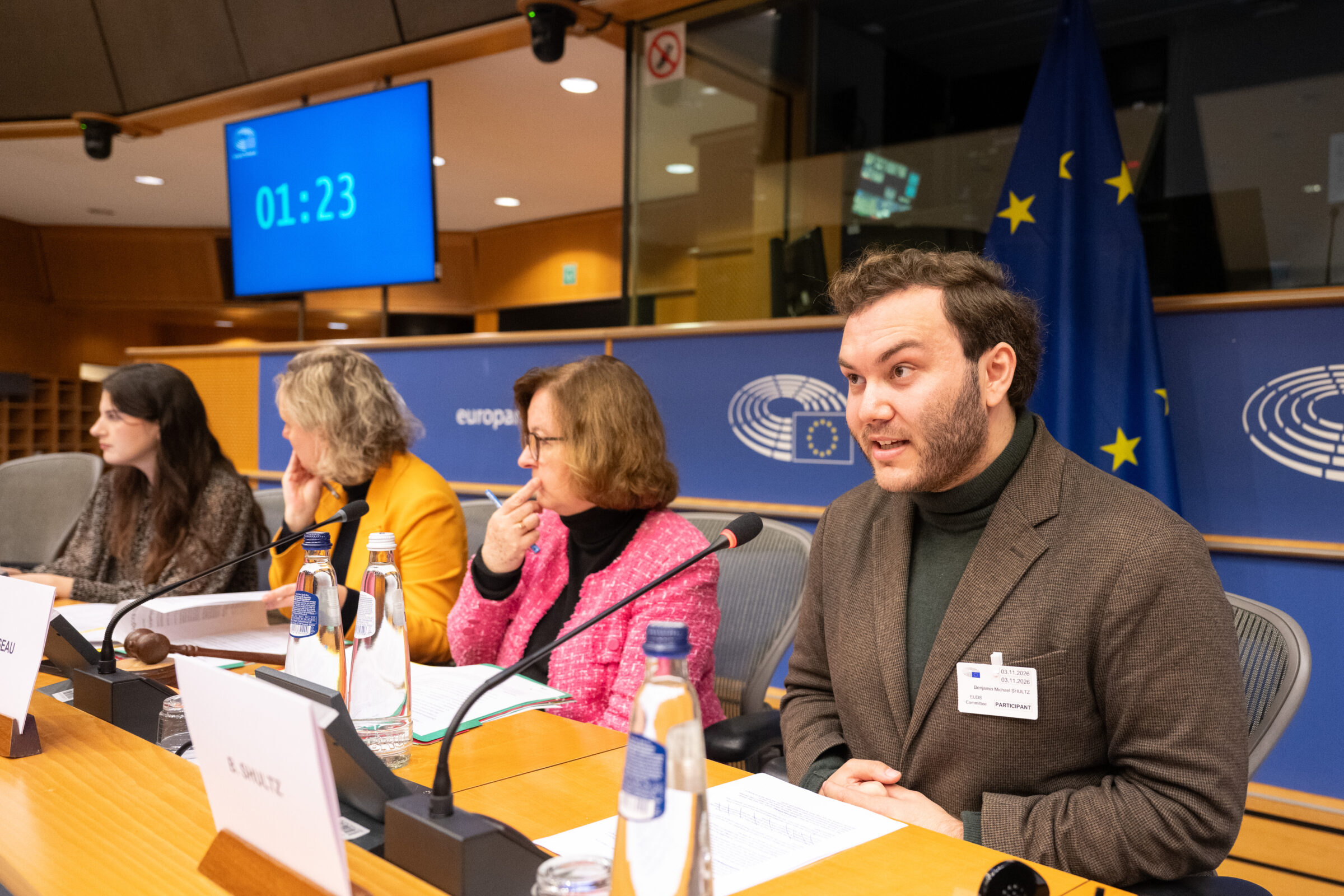
The EU agreed on Monday (16 November) to sanction 30 people and two organisations over Russian cyberattacks and disinformation campaigns aimed at Europe, as researchers uncovered thousands of fake accounts used to target election campaigns. “We all care about human rights and freedom of expression, but human rights and freedoms of expression are not designed for robots,” French liberal MEP Nathalie Loiseau, chair of the parliament’s committee dealing with foreign interference, said during a hearing on the topic on Monday. Also on Monday, a report by Alliance4Europe revealed at least 8,505 Russian fake accounts were used ahead of the Swedish general elections in September. They also found that public authorities tend to respond to disinformation targeting specific posts and campaigns, rather than account networks and systems spreading false narratives for months. “[But] taking down single channels or posts achieves little while the infrastructure, the platform weaknesses and the payouts that sustain it stay in place,” reads the report. Russian propaganda networks switched from one country to another, changing profile names and photos to pose as local citizens. The researchers found that the same 550 fake accounts exposed ahead of the Dutch parliamentary elections in October 2025 then spread disinformation ahead of Hungary’s vote in April. While some spread false claims, often branded as coming from trusted news sources, many of them focus on following thousands of social media accounts with controversial and polarising lines, tricking the platform’s algorithm into boosting their reach, researchers said. Though the impact of fakes is often not spectacular in size, electoral campaigns are “a moment of sensitivity” in which uncertainty plays a key role, Omri Preiss, from Alliance4Europe and one of the report authors, told EUobserver.
More EU sanctions on Russian propagandists and hackers, as thousands of fake accounts target voters
Full Article
Original Source
Read the full article at Euobserver →KhanList aggregates and links to publicly available news content. We do not host full articles from third-party sources. Always verify important information with original sources.