
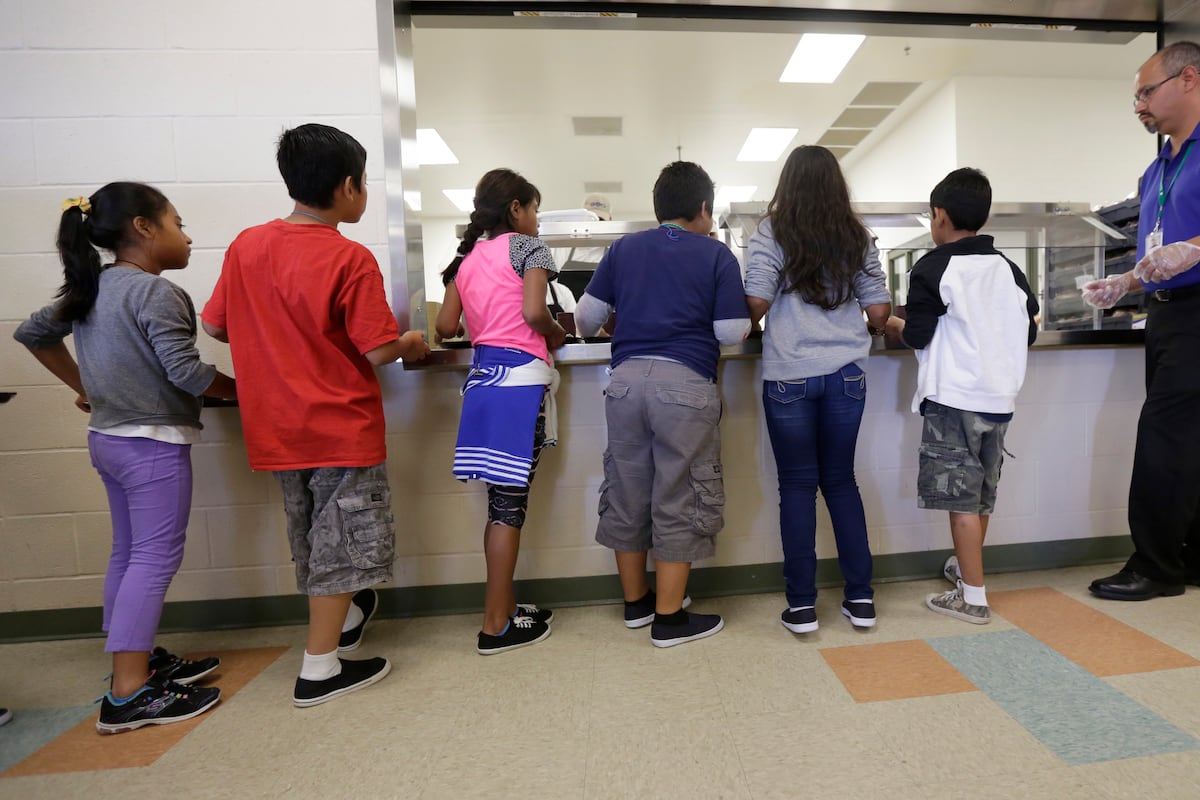
A nine-year-old migrant held at a youth shelter in Texas tried to call an information hotline to understand what could happen at his hearing before an immigration judge. Shelter staff did not allow him to connect to that number. Desperate, he called his mother, who lives in California, and asked her for help. The mother then contacted the organization that created the hotline to support detained minors; she told them about the obstacles her son was facing in obtaining basic information. Only after that did the child receive a call from that organization: they explained how the court process works, what his rights are, and even determined that he had a strong asylum case.“That contact did not happen because the child dialed; it happened because his mother did,” Eduardo Martínez, a legal advocate for the Pro Bono Asylum Representation Project in South Texas (ProBAR), tells EL PAÍS. “What’s worrying is that not every child in a detention center has a family member or sponsor who can act as an advocate for them.”The line the child tried to reach is called Orientation and Resources for Youth in Detention, DORY for short. ProBAR created it to support migrant minors held in federal custody without their parents or legal guardians. It was established just after July 31, when the Trump administration ended a long-standing funding contract that for years had allowed about 100 organizations to represent more than 20,000 children for free in their immigration proceedings since 2003.When the helpline began operating in August, ProBAR was receiving calls from 11 youth facilities. But by September, Martínez says, calls were coming from only two centers. And although they had access to fewer shelters, Martínez says the number of calls did not drop: “More children were calling because, as we’ve been seeing, their immigration hearings are being moved up.”Activists say what happened to this nine-year-old is just one more barrier among many the federal government is putting in front of minors so they cannot defend their cases or seek help in a timely way. Organizations have argued that there can be no due process if migrant children and teenagers in government custody do not understand the system they face, the penalties and offers they receive, the court terminology used, and the consequences.The federal office that holds custody of the minors, the Office of Refugee Resettlement (ORR), disputes the organizations’ claims. In an email it said it is meeting “its legal obligations” and “is not acting in any way that would discourage a minor from seeking appropriate legal protection.”Only in October did the government announce the creation of a division it describes as independent — though it is run by the same federal agency that holds custody of the children — that will be responsible for defending unaccompanied minors. There are still few details on how it will operate.Of the more than 56,000 cases involving unaccompanied minors resolved so far in 2026, 55% never had legal representation before an immigration court, according to a data analysis by the Vera Institute of Justice, a nonprofit research group. That figure represents a seven percentage-point increase from 2025 and a 17 percentage-point increase from 2024.An “avalanche of harm”Since January 2025, when Trump began his second term, the president has sought to remove federal funding for legal support programs for migrant minors.At the same time, he has reduced existing legal protections designed to safeguard minors in immigration proceedings: one measure taken in April 2025 was to summon children in ORR custody to immigration courts, when previously they were brought only after being reunified with their parents or sponsors.By July of that year, in violation of federal law, border agents began asking migrant children whether they wanted to “self-deport,” and shortly after, those in federal shelters started receiving letters urging them to abandon their cases and return to their home countries in exchange for a cash payment in dollars.Shaina Aber is executive director of the Acacia Center for Justice, the nonprofit that received federal funds and distributed them to 100 organizations for the defense of minors. She estimates that two in ten children in Trump administration custody have lost their pro bono lawyers because the programs that supported them were closed and that four of those programs have shut down. The federal funding cuts have left minors more vulnerable to additional measures being rolled out.Acacia’s director says that since July they have learned of children with pending or approved petitions before the Department of Homeland Security who have received removal orders from immigration judges; they have encountered minors whose cases were dismissed without them being heard in court; they have identified children pressured to abandon their applications in exchange for $3,000, and when they asked for time to consider the offer, that time was denied. They have also found federal shelters where organizations were not allowed to provide legal help for new cases.She recounts the case of a child in Arizona without a lawyer whom an immigration judge gave only two options: voluntary departure or deportation. “The child broke down crying and said he was afraid to return to his country. The judge issued an order of removal,” Aber says. When attorneys from one of the organizations in Acacia’s network tried to contact the child the next day to offer legal help to appeal the decision, he had already been deported.The National Immigration Law Center (NILC) brought a suit in a federal district court in Maryland on behalf of children represented by organizations in several states and won. They argued that multiple federal agencies were “illegally dismantling the rights of unaccompanied minors seeking help.”Among the cases supporting the lawsuit were dozens of summonses to appear at hearings with less than 24 hours’ notice and, in some instances, a single lawyer had to be in more than one of those hearings at the same time. That left many children — including victims of violence who were in shelters and had limited access to their attorneys — without the opportunity to properly prepare for their interviews.NILC says that in one of those cases a girl who had been hospitalized for a heart condition was forced the next day to undergo a hours-long asylum interview about her claim: it was based on sexual abuse she suffered in her country of origin.In a press release, NILC reports that the girl asked to end the interview because she felt pain in her chest: “She was crying while holding her chest. And instead of ending the interview, the official insisted she continue. Only after subjecting the minor for hours to severe mental and emotional distress did the official agree to reschedule the interview.”For Aber, all of the above “makes it clear that the government is trying to limit minors’ access to representation as well as their ability to access the legal system.” She views the sum of the measures taken by the government over two years as “an avalanche of harm inflicted on hundreds of children.”Sign up for our weekly newsletter to get more English-language news coverage from EL PAÍS USA Edition
More barriers for migrant minors in the US: a shelter prevents a child from seeking legal help before going to court
Full Article
Original Source
Read the full article at English →KhanList aggregates and links to publicly available news content. We do not host full articles from third-party sources. Always verify important information with original sources.