
Abattoirs should be operated in healthy environment On several occasions on this page, we have expressed serious concerns over the manner of producing, handling, and transporting beef from abattoirs to the different points of sale across Nigeria because it is inimical to the health of the final consumers. That situation may also explain why members of the Nigerian business and political elites, as studies have shown, prefer imported, frozen poultry products, even when no one can also guarantee the safety of these imported products. We therefore welcome the idea by the federal government to establish some modern abattoirs in Edo and Plateau States as part of efforts to modernise livestock production and processing in Nigeria. The idea, according to the Minister of Livestock Development, Idi Mahia, is to create employment opportunities, improve meat processing, and ensure better utilisation of livestock resources. “We must change the narrative and transform livestock farming in Nigeria. We cannot continue transporting animals thousands of kilometres when we can process them closer to production centres,” said Mahia, who is looking at the livestock supply chain in the country which, as he argued, must change. “An important message is that innovation must become the driving force behind this transformation, as Nigeria cannot transform its livestock sector by doing more of what it has always done.” The unhygienic means of transporting meat from abattoirs to markets have been an issue of serious concerns in recent years. Using wheelbarrows, motorbikes and rickety vehicles speak to the increasing health hazards in consuming the beef prepared in many parts of the country. Besides, most of the abattoirs are in unacceptable condition, with the beef almost always left in open spaces that attract all kinds of contamination. Except Lagos and few other states, which have made remarkable efforts towards ensuring a healthy and hygienic abattoir condition by upgrading some of their abattoirs over the year to suit their laws, such facilities stink in many of the states. Butchers are still killing cows and preparing carcasses of their meat on wet, dirty, muddy floor. In many of these abattoirs, the vicinity is littered with heaps of stinking waste materials. Meanwhile, after these animals are slaughtered, the fur is burnt off in the open, using firewood and lorry tyres. These tyres constitute the greater part of the fuel. Apart from the hazard it poses to the health of consumers, the practice also produces lots of smoke that pollutes the area. The environmental implication of such a practice is better imagined. In all, the facilities of these abattoirs are generally being operated under unhygienic conditions, mainly due to a lack of certain basic amenities. With the modern abattoirs which should serve as the standard in the country, we hope that animals will be better handled during slaughter, loading and transportation to various points of sale. The idea of conveying meat on bicycles, motorbikes, and sometimes on some rickety meat vans, under unhygienic conditions will also have to stop. Although medical experts differ somewhat as to the exact causes of the cancer scourge in the country, there seems to be some agreement that the habit of the people is not helpful. We feel that the public as well as the critical stakeholders in the business should be adequately enlightened on how to handle beef. This should be the responsibility of the health and environment authorities at both the federal and state levels.
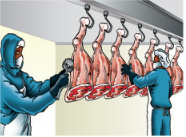
MODERNISING THE ABATTOIRS
Full Article
Original Source
Read the full article at Thisdaylive →KhanList aggregates and links to publicly available news content. We do not host full articles from third-party sources. Always verify important information with original sources.