
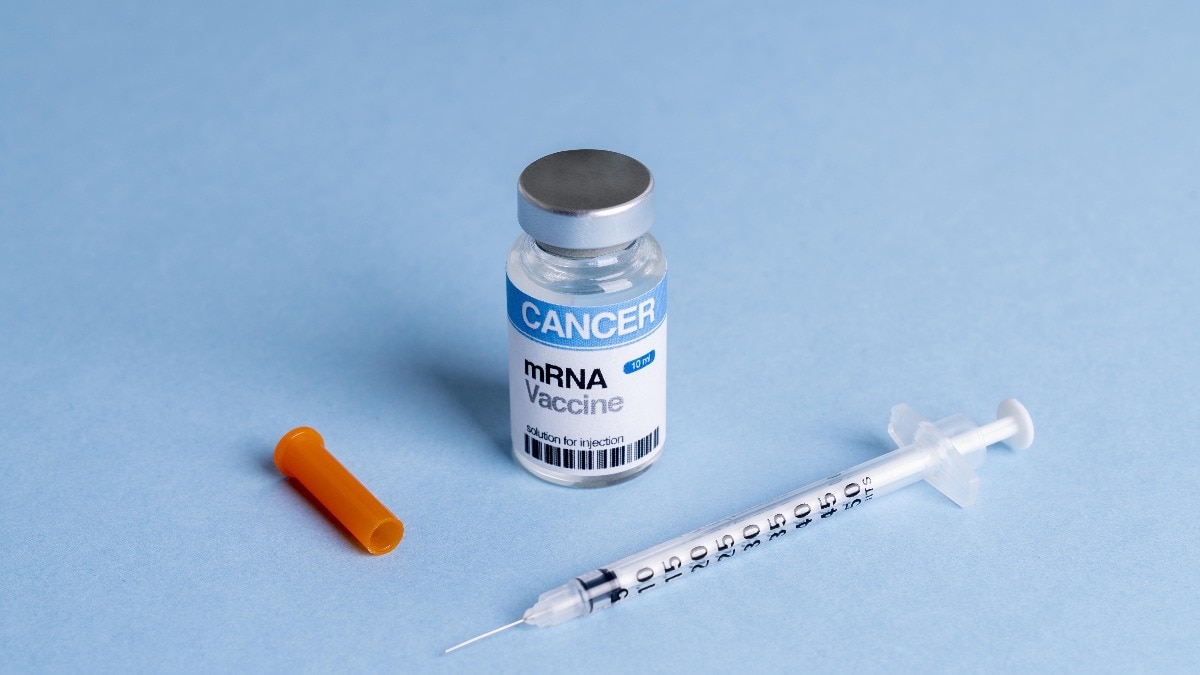
Moderna and Merck's personalised mRNA cancer vaccine met its main Phase 3 goal in high-risk melanoma. The result suggests tailored vaccines may train the immune system to target each patient's tumour.The vaccine is designed to give immune cells a clearer picture of what makes the cancer different. (Photo: Getty)Moderna and Merck’s personalised mRNA cancer vaccine has delivered encouraging late-stage trial results in patients with high-risk melanoma, offering one of the clearest signs yet that the technology behind Covid-19 vaccines could also help the body fight cancer.The treatment, tested alongside Merck’s immunotherapy drug Keytruda, is designed to do something very different from a conventional vaccine.Instead of protecting millions of people against the same virus, each dose is specially designed using the genetic blueprint of an individual patient’s tumour.THE SCIENCE BEHIND MODERNA'S CANCER VACCINEThe process begins after a melanoma tumour is removed through surgery. Scientists study the cancer cells and compare them with the patient’s healthy cells. Cancer develops because cells accumulate genetic mistakes, and some of these mistakes create abnormal proteins that are not normally found elsewhere in the body.These abnormal features effectively become the cancer’s unique fingerprints. Scientists identify a selection of these fingerprints that are most likely to help the immune system recognise the cancer. They then design a personalised mRNA vaccine containing instructions linked to those targets.mRNA, or messenger RNA, can be thought of as a temporary instruction sheet. Once the vaccine enters the body, the instructions tell cells to produce harmless pieces that resemble the unique markers found on the patient's cancer cells. The immune system then studies these markers and learns what it needs to look for. mRNA, or messenger RNA, can be thought of as a temporary instruction sheet. (Photo: Getty) This is important because cancer cells originate from the body's own cells, making them difficult for the immune system to identify as a threat.The vaccine is designed to give immune cells a clearer picture of what makes the cancer different.Once trained, specialised immune cells can patrol the body looking for cells carrying the same cancer fingerprints. If tiny amounts of cancer remain after surgery, the hope is that these immune cells can find and destroy them before they grow into a detectable tumour.The vaccine is being used alongside Keytruda, which works in a different way. Cancer cells can sometimes exploit natural brakes in the immune system, preventing immune cells from launching a strong attack. Keytruda helps release one of these brakes, allowing immune cells to remain active against cancer.Together, the two treatments are designed to work as a team: the personalised vaccine provides the immune system with a detailed “wanted poster” of the patient's cancer, while Keytruda helps remove a barrier that could stop the immune response. In the Phase 3 trial involving 1,137 patients with high-risk stage IIB to IV melanoma, the combination met its main goal of reducing the risk of cancer returning.It also reduced the risk of the disease spreading to distant parts of the body compared with Keytruda alone.The detailed data is still awaited, but the results mark a major step for personalised cancer treatment.If confirmed through further analysis and regulatory review, the approach could demonstrate that cancer vaccines can be individually designed to train the immune system against the unique genetic fingerprints of a patient's tumour.- EndsPublished By: Sibu Kumar TripathiPublished On: Aug 20, 2026 11:24 IST
Moderna's cancer vaccine: Science behind how it hunts deadly tumours
Full Article
Original Source
Read the full article at Indiatoday →KhanList aggregates and links to publicly available news content. We do not host full articles from third-party sources. Always verify important information with original sources.