
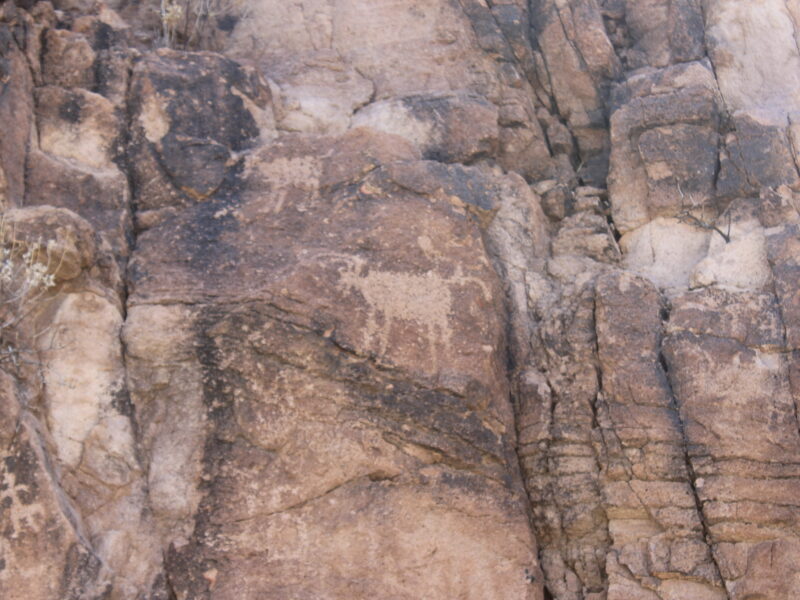
State officials say Cottonwood County and a mining company cannot skirt environmental review to operate a mine dangerously close to a protected site.ST. PAUL, Minn. (CN) — Minnesota Supreme Court seemed inclined to grant state environmental and historical preservation agencies standing Wednesday to take local officials and a mining company to court to protect a 7,000-year-old Indigenous site.While state agencies say they have the authority to challenge local zoning decisions that bypass full environmental reviews, a mining company claims local governments control county land-use permits and state officials cannot show a direct injury from the lack of an environmental impact statement.At the center of the dispute is the Sioux Rock Quarry in Cottonwood County, where operations have run for decades.The quarry’s operator, Minnesota Paving Materials — which later assigned lease rights to Martin Marietta Materials — proposed in 2023 to expand the mine within a quarter mile of the Jeffers Petroglyphs, home to rock carvings that have existed for thousands of years that could be prone to dust damage.The Minnesota Pollution Control Agency and State Historic Preservation Office filed initial petitions with the state court of appeals in May and June 2025 challenging the county’s decision to grant Minnesota Paving an interim-use permit without preparing a full environmental impact statement.The court of appeals issued opposing rulings months later, holding state agencies have standing to challenge skipped environmental reviews, but that the preservation office cannot challenge the land-use permit itself.At issue first Wednesday was Marietta Materials’ challenge to the skipped review. The natural resource company claims state agencies have shown no concrete injury and are instead fishing for potential environmental impacts that may or may not exist.“SHPO is saying ‘any time we claim that one of the 100-plus historic sites in the state of Minnesota are potentially put in danger by some project, no matter how far away, if we claim there’s a connection, we can come into court and appeal zoning decisions and EIS decisions,’” Jeffrey Markowitz, attorney for the mining company, said.Markowitz added that state agencies do not require the impact statement to obtain the information they seek as other study tools exist to determine the mine’s impacts.The justices appeared skeptical of Markowitz’s argument, noting that determining standing requires the court to assume there are ongoing negative environmental effects at the active mine.“It seems to me this is a governmental agency that has an impaired ability, the action is impairing their ability to carry out their regulatory obligations, how is that in and of itself not an injury?” Justice Anne McKeig said.Assistant Attorney General Phil Pulitzer, representing both state agencies, told the justices the county and the mining company are failing to engage in proper environmental review that has become custom in the state.“Martin Marietta and the county ask to take us back to a time when we did not understand the full scope of a project’s impacts, back when projects did have greater environmental effects,” Pulitzer said. “But that’s not been the law in Minnesota for over 50 years.”Pulitzer said state agencies and project leaders typically cooperate and work through environmental issues in order to avoid litigation — and the county decided to forgo that.State agencies argue they are injured by the denial of the environmental impact statement because they now lack the required information to permit the project and to determine appropriate mitigation measures to protect the historic site.“Without understanding how the dust is coming off, it’s impossible to determine the impacts of this project,” Pulitzer said.While appearing mostly in line with the state’s argument, the justices did note a ruling in its favor could have an effect on intergovernmental agency cooperation and lead to more government bodies to court to challenge one another.Arguments on Wednesday also centered on whether Minnesota’s preservation office has the legal right to challenge the county’s land-use permit. Pointing to the Minnesota Historic Sites Act, state officials argue they are legally obligated to take all means necessary to protect ancient petroglyphs from physical damage.When pressed on post-approval enforcement, the office said waiting until after the site is harmed to bring legal action would cause unnecessary damage that can not be undone given the fragility of the petroglyphs.“SHPO is before this court seeking to ensure that the basic protections granted to these protected historic sites by the Legislature are respected,” Pulitzer said. “It placed a responsibility on the office to ensure that the physical features and historic character of these sites is upheld, not just for now but for generations to come.”The justices, however, signaled unease with turning that statutory duty into a broad license to second-guess local land-use decisions, pressing for a limiting principle that would keep SHPO from intervening in zoning disputes across the state — a position shared by the mining company.“Every creature of statute starts from zero powers and has only the powers that are given to it,” Markowitz said. “I struggle to imagine a better case that would involve a floodgates problem as this one.”Pulitzer argued no limiting principle is needed given the proximity of the mine to the petroglyphs, and that the court can save the floodgates argument for another day and should first prioritize protecting historical sites.While taking Markowitz’s floodgates concern seriously, several justices pressed him on what happens when a county simply ignores the concerns of state agencies, especially in a scenario where mining could cause damage to historical sites or visitors.The justices did note finding the county improperly skirted environmental review could force the repeal of the land-use permit even if the court finds state agencies lack standing to challenge such permits.Subscribe to our free newslettersOur weekly newsletter Closing Arguments offers the latest about ongoing trials, major litigation and rulings in courthouses around the U.S. and the world, while the monthly Under the Lights dishes the legal dirt from Hollywood, sports, Big Tech and the arts.Additional Reads
Minnesota justices drill mining company over quarry expansion near sacred site
Full Article
Original Source
Read the full article at Courthousenews →KhanList aggregates and links to publicly available news content. We do not host full articles from third-party sources. Always verify important information with original sources.