
Key events6m agoCaribbean leaders welcome 'significant development' of apology move10m agoBurnham open to issuing apology over Britain's role in slave trade29m agoOpeningCaribbean leaders welcome 'significant development' of apology moveBurnham’s consideration of a formal apology has been welcomed by leaders of Caribbean nations, but differences remain on reparations.Barbados’ prime minister, Mia Mottley, welcomed Burnham’s acknowledgment of the “brutality of the trans-Atlantic slave trade, his openness to a formal apology and his offer of structured dialogue”.She noted the different approach on reparations but said: double quotation markThose differences should not prevent progress on health, education, tackling poverty and inequality, and fairer debt terms for vulnerable states. Gaston Browne, the prime minister of Antigua and Barbuda called Burnham’s comments a “significant and welcome development” and reiterated calls for reparation but said this could be addressed. double quotation markThe Caribbean’s longstanding position on reparatory justice remains unchanged. Differences over financial compensation should be addressed through dialogue, but they need not prevent progress in areas where agreement is possible. Burnham open to issuing apology over Britain's role in slave tradeAndy Burnham says the UK will listen to calls to issue a formal apology, but doesn’t believe that reparations is the “right answer”.He argued yesterday in The Guardian that Britain needs to acknowledge its “complicated history” in order to protect the Commonwealth, the 56 nations that grew out of the British Empire. He’s headed to Antigua and Babuda in coming days. King Charles has been in the Caribbean this week where he’s faced calls for Britain to apologise and pay reparations.The King, whose forebears directly benefited from slavery, admitted the “great suffering and injustices of the past” but did not issue an apology. It is UK government policy currently, to not apologise for the country’s role in the slave trade. Burnham, introducing a potential change in his column yesterday, wrote: double quotation markThe Britain I believe in is confident, decent and brave. We led the world in abolishing slavery – and we can show leadership again today. For years, those members of the Commonwealth affected by the slave trade have asked for an honest conversation about the legacies of slavery. By sticking our heads in the sand, we have damaged the ability of the Commonwealth to function. He said his government is offering to begin a “structured dialogue” with those affected by slavery – but ruled out financial compensation for past wrongs.The British state hugely benefited from the slave trade before it was outlawed in 1833, but Burnham says that “British people today” cannot be held liable for historic wrongs, “in which they played no personal part”.Instead he said he would launch a new drive to restructure debt for the poorest Commonwealth countries – that would be led by former PM Gordon Brown – that would help them repay debt under more favourable conditions.OpeningGood morning and welcome to our Sunday UK politics blog.Budget week conversation has moved on a bit; Tory leader Kemi Badenoch is doing the rounds of the politics shows this morning and she has an op-ed in the Telegraph railing against the delayed defence spending commitment, claiming instead that the Conservatives could find that spend while cuting the deficit and lowering taxes.But she’s also criticised the PM’s announcement yesterday in the Guardian that the government is considering a formal apology for its role in the trans-Atlantic slave trade.Andy Burnham, who is heading to the Caribbean next week for a Commonwealth leaders meeting, wrote in a column that Britain needed to “acknowledge its complicated history” but rejected the idea of financial reparations. double quotation markI do not think that British people today can be held liable for historical wrongs, however heinous, that happened in a different age under different laws and in which they played no personal part. Cabinet minister Emma Reynolds has repeated to Sky News this morning that an apology is symbolically powerful, but it wouldn’t then lead to financial reparations. double quotation markLet me be very clear that will not involve financial reparations, because the British people today shouldn’t be held liable for historic wrongs, wrongs that they had no part in. I’ll have more on that shortly, including the reaction from Commonwealth leaders.
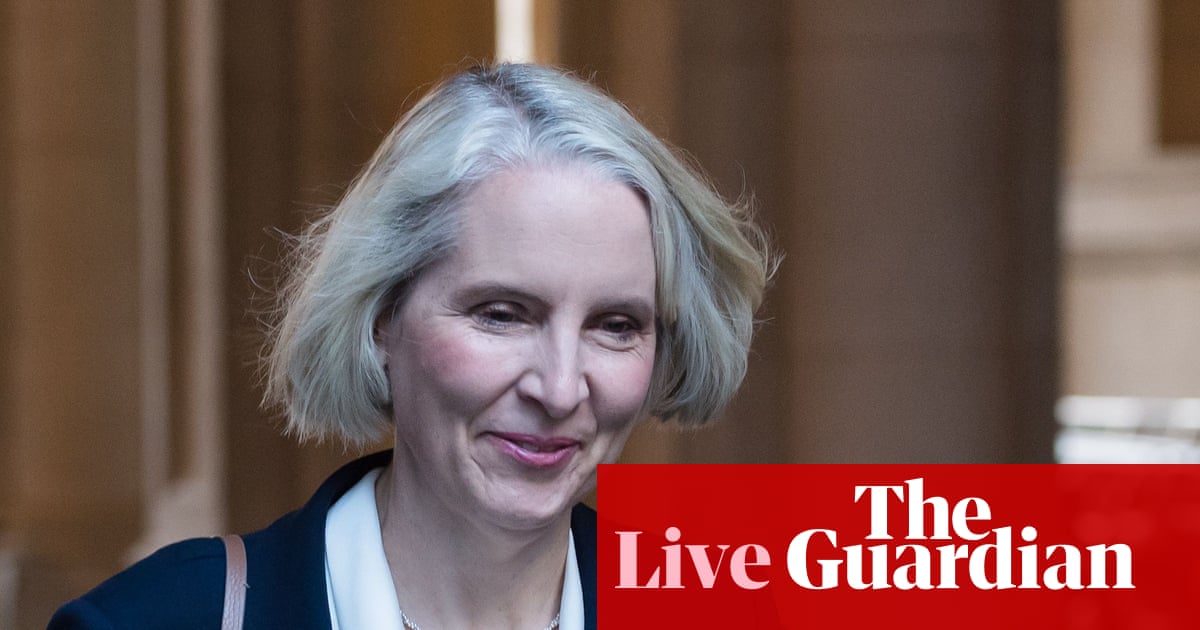
Minister says UK apology over historic role in slave trade won’t lead to financial reparations – UK politics live
Full Article
Original Source
Read the full article at Theguardian →KhanList aggregates and links to publicly available news content. We do not host full articles from third-party sources. Always verify important information with original sources.